Еволуција и утицај пластичног филма: Од иновација до одрживости (3) изазова
Пластиц Филм
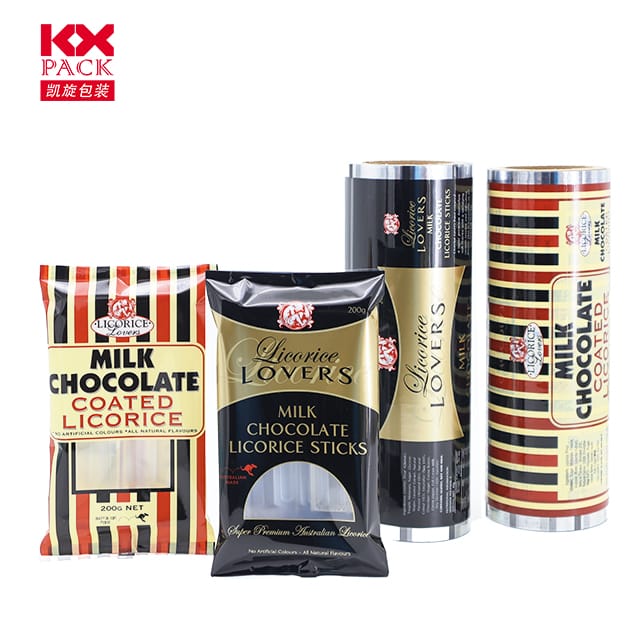
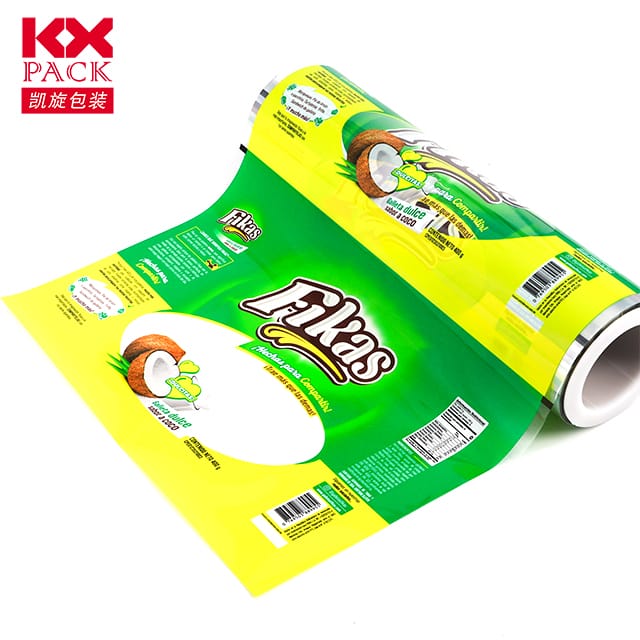
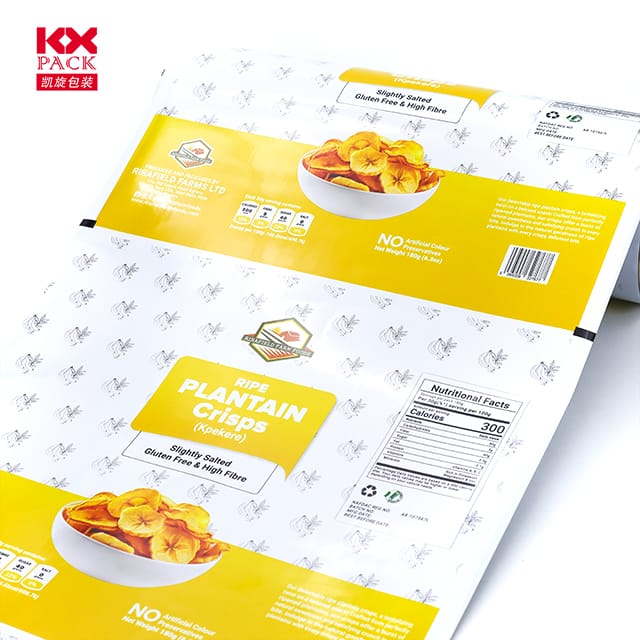
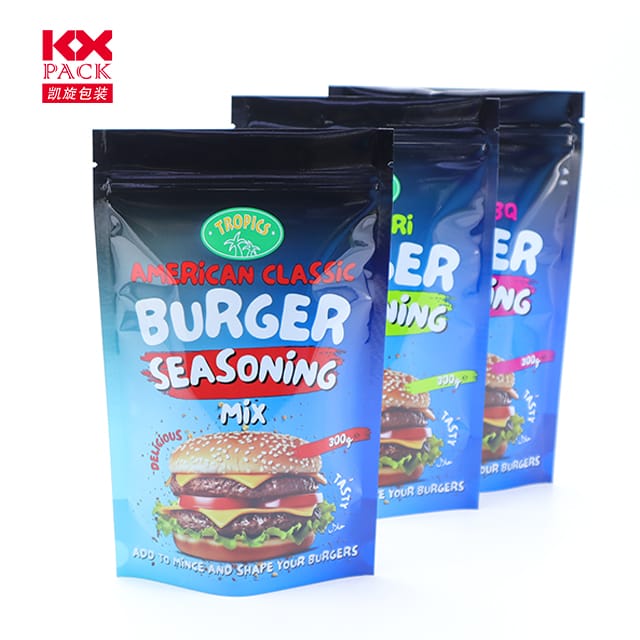
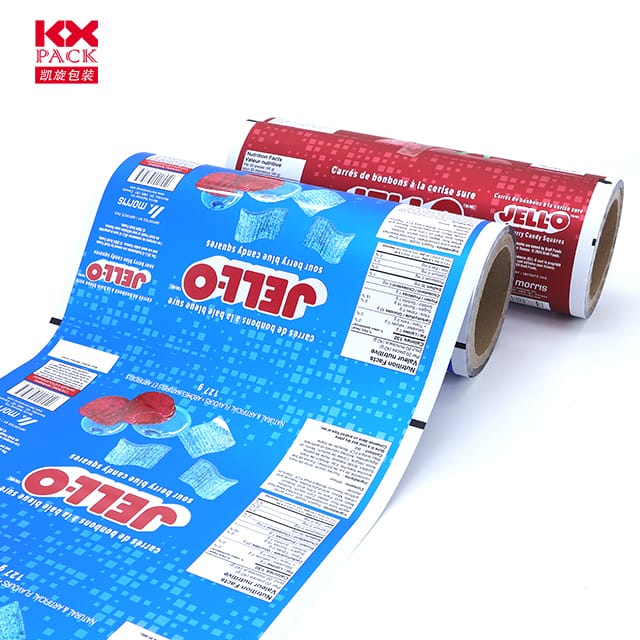
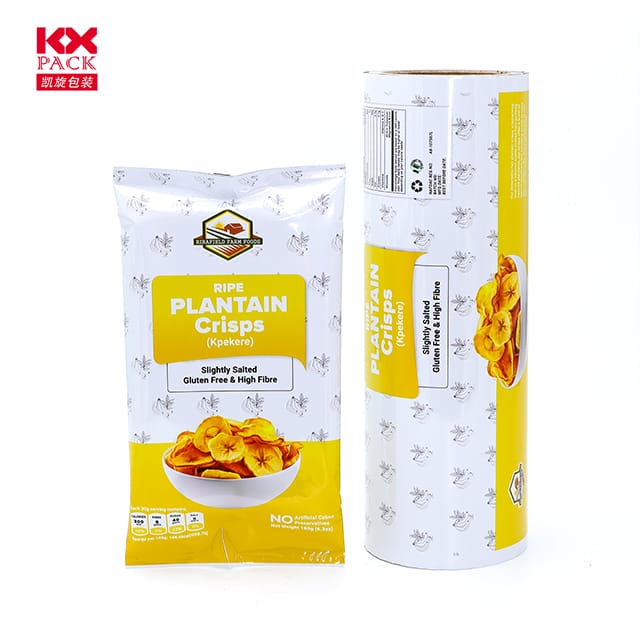
Plastic film, Свестрани ипак често је подцењени материјал, прожима модерног живота на безброј начина. Од амбалажне хране и заштите усева за унапређење медицинских средстава и изолационих зграда, његова лагана трајност и економичност је то учинила неопходном. Међутим, Као што се односи на околину, Пластична филмска индустрија суочена је са критичном прекретницом: balancing innovation with sustainability.
A Multifaceted Marvel: Апликације широм индустрије
Plastic film’s adaptability stems from its composition—typically polyethylene (ПЕ), полипропилен (ПП), или поливинил хлорид (Пвц)—which can be tailored for specific uses:
- Паковање хране: Stretch films, cling wraps, and vacuum-sealed pouches extend shelf life and reduce waste.
- Пољопривреда: Mulch films conserve water, suppress weeds, and boost crop yields by up to 30% in arid regions.
- Здравствена заштита: Sterile wraps for surgical instruments and blister packs for pharmaceuticals ensure safety and hygiene.
- Изградња: Vapor barriers and shrink films protect buildings from moisture during construction.
The global plastic film market, цењена на$160 милијарди у 2023, предвиђа се да расте на 4.5% annually, driven by emerging economies and e-commerce packaging demands.
The Environmental Conundrum: Мач са две оштрице
Despite its utility, plastic film’s environmental footprint is undeniable:
- Waste Accumulation: Single-use plastic films, such as shopping bags and food wraps, account for20% морског пластичног загађења, entangling wildlife and microplastics infiltrating ecosystems.
- Рецицлинг Хурдлес: Thin, multi-layered films are difficult to sort and process, with recycling rates hovering around5–15% in developed nations.
- Microplastic Threat: Fragmented films release tiny particles into soil and water, posing risks to human health through the food chain.
Regulatory pressures, such as the EU’sДиректива о пластици за једнократну употребу and China’s ban on non-degradable bags, are forcing industries to rethink plastic film’s role.
Pioneering Solutions for a Circular Future
За решавање ових изазова, manufacturers and innovators are exploring sustainable alternatives:
- Биоразградиви и компостирани филмови:
- Materials like PLA (Полилактичка киселина), добијен од кукурузног скроба, and PBAT (polybutylene adipate terephthalate) offer eco-friendly options. Брендови каоNatureWorks иBASF are scaling production.
- Студија случаја: A UK supermarket chain replaced conventional bags with compostable PLA films, reducing plastic waste by 40%.
- Advanced Recycling Technologies:
- Chemical recycling breaks down mixed plastics into raw materials, enabling closed-loop systems.
- Mechanical recycling upgrades post-consumer films into pallet wraps or construction materials.
- Reusable and Thinner Alternatives:
- High-barrier, филмове од мономатеријала који се могу рециклирати (Нпр., PE-only packaging) simplify recycling.
- Иновације волеedible seaweed-based coatings for fresh produce could eliminate single-use wraps entirely.
Industry Collaboration and Policy Drivers
Governments and corporations are aligning to accelerate change:
- Проширена одговорност произвођача (ЕПР) schemes in the EU and U.S. mandate brands to fund recycling infrastructure.
- Corporate Commitments: Unilever, Nestlé, and Walmart aim to use 100% recyclable or reusable packaging by 2025, driving demand for sustainable films.
- Agricultural Innovations: Biodegradable mulch films, tested in India and the U.S., decompose within 180 дана, reducing soil contamination.
Тхе Роад Ахеад: Balancing Progress and Planet
The future of plastic film hinges on three pillars:
- Material Innovation: Scaling bio-based and recyclable alternatives without compromising performance.
- Цирцулар Десигн: Prioritizing reusability, Рециклирање, and compostability in product development.
- Consumer Engagement: Educating the public on proper disposal and advocating for reuse systems.
As technologies mature and policies tighten, plastic film could transition from a symbol of environmental harm to a beacon of sustainable innovation. The challenge lies not in abandoning this versatile material, but in reimagining its lifecycle—from linear waste to circular resource.
Извори: Smithers Pira, Еллен Мацартхур Фондација, Industry Reports 2024
Закључак: Plastic film, once a hallmark of convenience, now stands at a crossroads. Прихватањем иновација, сарадња, и управљање животном средином, the industry can safeguard both human needs and the planet’s future. The journey has begun—will we rise to the challenge?