Why Partnering with a Custom Flexible Packaging Supplier Offers the Ultimate One-stop Packaging Solution
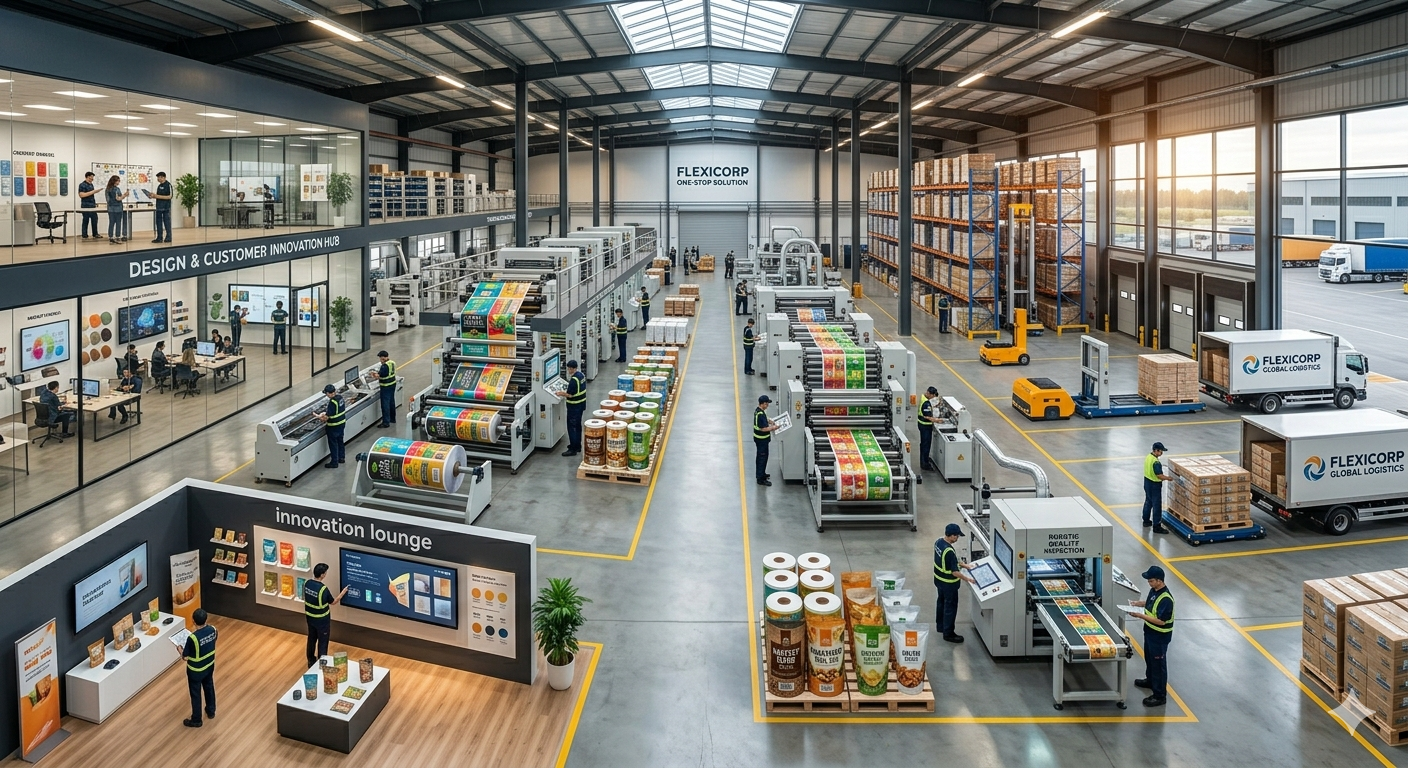
In today’s hyper-competitive consumer market, the visual appeal and structural integrity of your product shelf-presentation can make or break your brand. Finding a reliable custom flexible packaging supplier is no longer just a purchasing checkbox—it is a core strategic move. Brands across the food, beverage, medical, and cosmetics sectors frequently juggle multiple vendors for design, material sourcing, printing, and logistics. This fragmented approach often leads to communication bottlenecks, color inconsistencies, and costly delays. Choosing a comprehensive, one-stop packaging solution eliminates these friction points, allowing businesses to streamline their entire supply chain from raw material to retail shelf.
But what exactly should you look for in a packaging partner, and how does integrated manufacturing accelerate your time-to-market? Let’s break down how modern material science meets custom design to scale your brand efficiently.
Defining the Value of a True One-Stop Packaging Solution
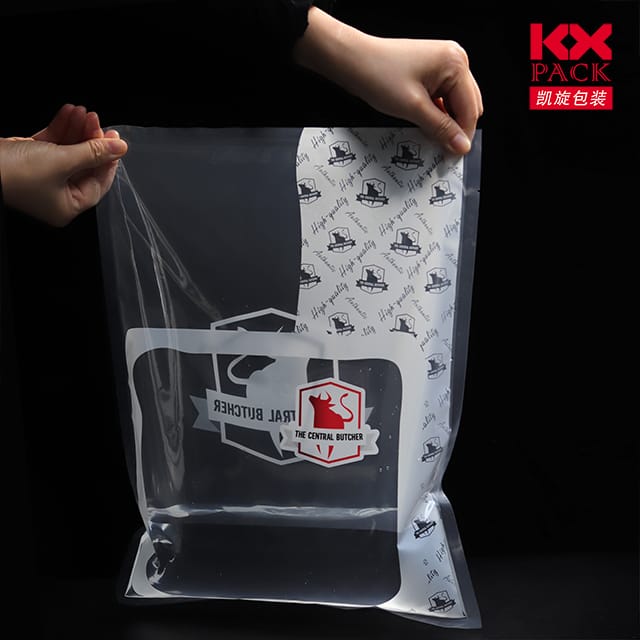
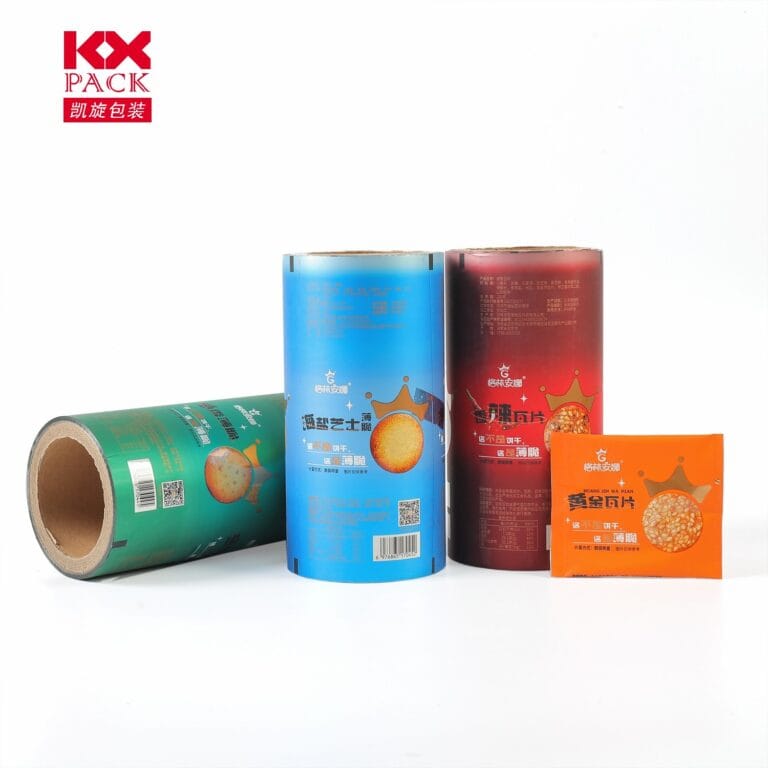
Many vendors claim to offer a complete service, but true integration means managing the entire lifecycle of a pouch or film roll under a single roof. A genuine one-stop packaging solution unifies structural engineering, aesthetic design, advanced barrier film extrusion, high-fidelity printing, and final pouch conversion.
When your custom flexible packaging supplier handles every phase, you gain unparalleled quality control. For example, if a design asset requires a specific matte-and-gloss contrast, the prepress team can coordinate directly with the extrusion technicians to ensure the surface tension of the substrate matches the ink chemistry perfectly. This level of cross-departmental alignment minimizes errors, drastically reduces material waste, and shortens production lead times from months to weeks.
Structural Customization: Beyond the Aesthetic Appeal
Every product possesses unique chemical and physical properties that demand tailored protection. A bag of artisanal coffee needs a one-way degassing valve and an oxygen barrier, while organic jerky requires superior moisture protection to prevent spoilage.
An expert supplier helps you navigate these technical complexities by offering specialized material structures:
- High-Barrier Laminates: Utilizing materials like EVOH (Ethylene Vinyl Alcohol) or MET-PET (Metalized Polyester) to drastically lower the Oxygen Transmission Rate (OTR) and Water Vapor Transmission Rate (WVTR).
- Monomaterial Formulations: Transitioning brands toward fully recyclable PE (Polyethylene) or PP (Polypropylene) structures that satisfy strict environmental regulations without sacrificing shelf-life performance.
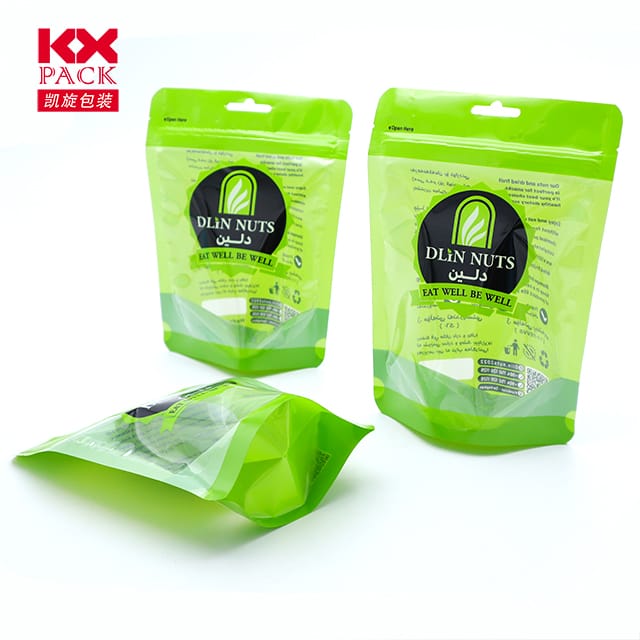
- Functional Additions: Integrating ergonomic zipper locks, tear notches, micro-perforations for ventilation, and custom spouts for liquid applications.
Cutting-Edge Printing and Brand Differentiation
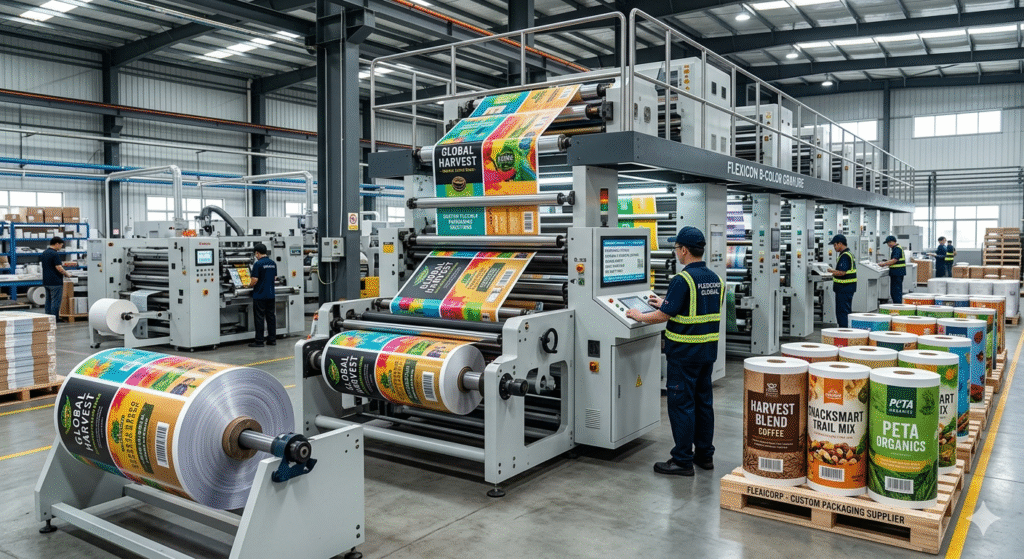
In the retail environment, your package is your primary billboard. A premium custom flexible packaging supplier utilizes advanced printing technologies to translate your digital brand assets onto flexible substrates accurately.
Depending on your volume requirements and design complexity, two primary printing methods dominate the modern landscape:
| Feature / Metric | Rotogravure Printing | Digital Printing |
| Best Suited For | High-volume long runs | Short runs & prototyping |
| Setup Cost & Plates | High initial cylinder cost | Zero plate costs |
| Color Consistency | Exceptional across millions of units | Highly accurate per batch |
| SKU Versatility | Limited due to changeover times | Excellent for multiple variations |
By utilizing a supplier that houses both capabilities, your brand can launch seasonal test items using digital prints, then seamlessly transition to high-volume rotogravure printing once market demand scales.
Enhancing Supply Chain Efficiency and Sustainability
Beyond the material and the print, the operational side of a one-stop packaging solution delivers massive financial dividends. Managing individual vendors for film extrusion, independent print houses, and separate bag-making facilities introduces cumulative logistical expenses and compounded margin errors.
Supply Chain Insight: When a single manufacturing partner controls the entire pipeline, responsibility is centralized. If a seal fails during QA, there is no finger-pointing between the film vendor and the pouch converter. The issue is identified and remedied within the same facility.
Furthermore, eco-conscious consumers actively demand sustainable practices. Modern flexible packaging uses significantly less plastic than rigid containers, reduces carbon emissions during transport due to its lightweight nature, and occupies less landfill space. An innovative supplier will provide compostable bioplastics (like PLA blends) and post-consumer recycled (PCR) resins, allowing your brand to hit its ESG (Environmental, Social, and Governance) targets without compromising on barrier performance.
Choosing the Right Partner for Long-Term Growth
Selecting your packaging supplier is an investment in your business infrastructure. To ensure your candidate can truly deliver an end-to-end service, ask the following qualifying questions during your evaluation:
- Do you perform extrusion and lamination in-house? (Ensures direct control over barrier properties).
- What are your minimum order quantities (MOQs) for custom structural runs? (Critical for managing cash flow during scaling phases).
- Are your facilities certified for food or medical-grade safety? (Look for ISO, BRCGS, or SQF certifications).
By locking in a dependable, technologically advanced partner, you convert your packaging from a simple operating expense into a scalable marketing and preservation asset.