Улога и будућност пластичног амбалажног филма: Балансирање комуналне и одрживости (2)
Пластични филм за паковање
Увод
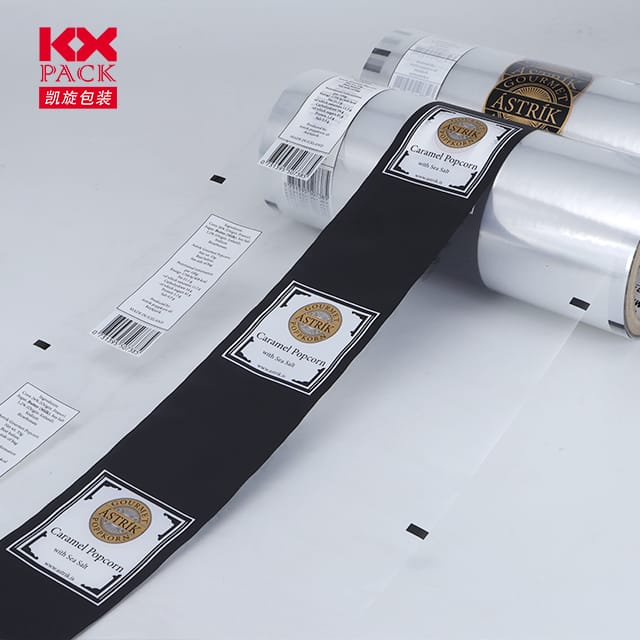
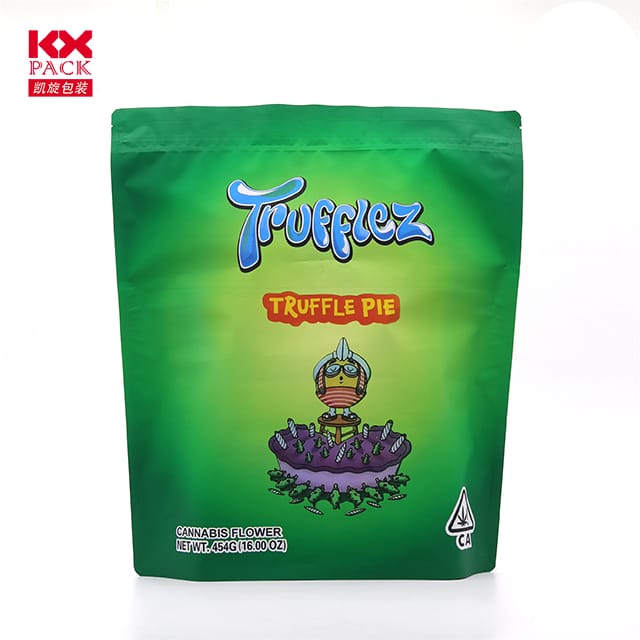
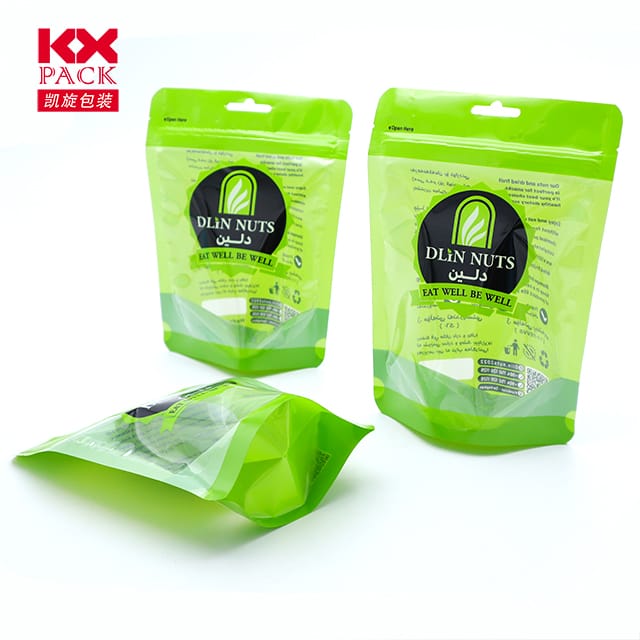
У свету где су удобност и очување најважнији, пластична фолија за паковање постао је свеприсутно присуство. Од свежег производа до електронике, Ова свестрана материјална заштитна роба, продужава рок трајања, и поједностављују ланце снабдевања. Ипак, Његов утицај на животну средину покренуо је глобалне дебате. Овај чланак истражује вишеструку улогу пластичног амбалажног филма, Његове апликације, изазови, и пут ка одрживости.
1. Разноврсност пластичне фолије за паковање
Пластичне фолије су дизајниране за различите сврхе, Захваљујући њиховој прилагодбилности:
- Врсте филмова:
- ПЕ (Полиетилен): Флексибилно, лаган, и идеалан за паковање хране.
- ПП (Полипропилен): Отпоран на топлоту, користи се за посуде безбедне за микроталасну пећницу.
- Пвц (поливинил хлорид): Издржљив и способан да се скупи.
- КУЋНИ ЉУБИМАЦ (Полиестер): Јака и транспарентна, често се користи за пиће и електронику.
- Биоразградиви филмови: Направљен од ПЛА, ПХА, или материјала на бази скроба.
- Апликације:
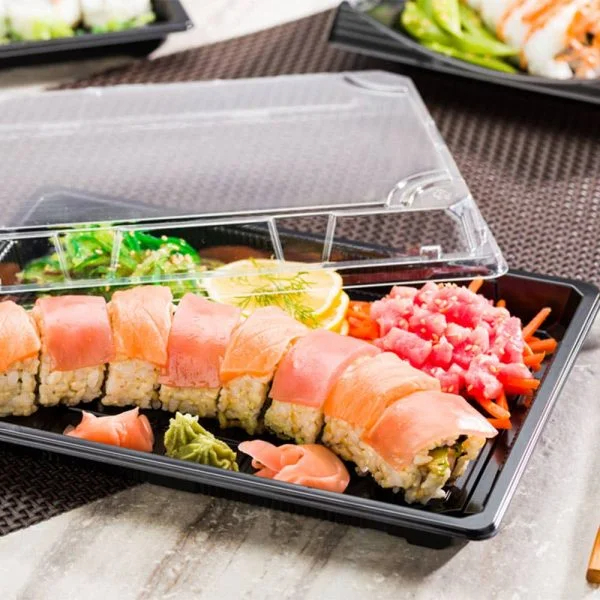
- Очување хране: Запечати свежину, спречава контаминацију.
- Медицински материјал: Стерилно паковање за хируршке алате.
- Е-трговина: Заштитни омоти за ломљиве предмете током транспорта.
- Пољопривреда: Филмови за малчирање за побољшање раста усева.
2. Мач са две оштрице: Предности вс. Забринутост заштите животне средине
Прос:
- Економичан: Повољна производња и лаган транспорт.
- Заштита баријере: Блокира влагу, кисеоника, и УВ светло.
- Свестраност: Прилагодљиво разним облицима, величине, и производи.
Цонс:
- Загађење: Доприноси депонијама и океанском пластичном отпаду.
- Не-биоразградљивост: Традиционалној пластици су потребни векови да се разгради.
- Микропластика: Разбити на ситне честице, улазак у екосистеме и ланце исхране.
3. Иновације у одрживом паковању
Индустрија реагује на еколошке притиске најсавременијим решењима:
- Биоразградиве алтернативе:
- Плашт (Полилактичка киселина): Добија се од кукурузног скроба или шећерне трске.
- ПХА (Полихидроксиалканоати): Природно произведен од микроба.
- Филмови засновани на морским алгама: Јестиво и компостабилно.
- Кружни модели Економија:
- Хемијска рециклажа: Разбијање пластике у сировине.
- Рецицлинг Тецхнологиес: Напредни системи за сортирање за побољшање стопе опоравка.
- Иновације дизајна:
- Мономатериал Филмс: Лакше за рециклирање (Нпр., 100% ПЕ).
- Минималистичко паковање: Смањење употребе материјала без угрожавања заштите.
4. Улога заинтересованих страна
Прелазак на одрживе праксе захтева сарадњу:
- Брендови: Инвестирајте у еколошки прихватљиве материјале и транспарентно означавање.
- Потрошачи: Изаберите опције за вишекратну употребу и подржите брендове дајући приоритет одрживости.
- Владе: Спровести проширену одговорност произвођача (ЕПР) законима и забранити пластику за једнократну употребу.
- Иноватори: Развити скалабилан, исплативе алтернативе конвенционалној пластици.
5. Лоокинг Ахеад: Будућност без отпада
Пут ка одрживој пластичној амбалажи је у току, али изазови остају. Кључни приоритети укључују:
- Развој инфраструктуре: Ширење постројења за рециклажу на глобалном нивоу.
- Образовање: Подизање свести о правилном одлагању и смањењу.
- Полици Адвоцаци: Подстицање зелених технологија и кажњавање загађења.
Закључак
Пластична фолија за паковање је камен темељац модерне логистике, али њен утицај на животну средину захтева хитну акцију. Прихватањем биоразградивих материјала, кружни системи, и колаборативне иновације, можемо заштитити и производе и планету. Будућност амбалаже не лежи у искорењивању, али у одговорној еволуцији – где корисност и одрживост коегзистирају.
💡Финална мисао: Сваки избор је битан. Следећи пут када одмотате производ, размотрите причу која стоји иза његовог паковања. Хајде да тежимо свету у коме је пластична фолија средство за добро, није терет на Земљи.