Основни водич за паковање пластичне фолије: Врсте, Бенефиције, и одржива решења
Паковање пластичне фолије
From protecting fresh produce to securing industrial goods, пластична фолија за паковање is a cornerstone of modern logistics and retail. Његова свестраност, економичност, и прилагодљивост чине га незаменљивим у свим индустријама — али са све већим еколошким проблемима, како предузећа могу уравнотежити функционалност и одрживост? Хајде да истражимо свет пластичних фолија за паковање, њихове апликације, и еколошки прихватљиве иновације.
What Is Packaging Plastic Film?
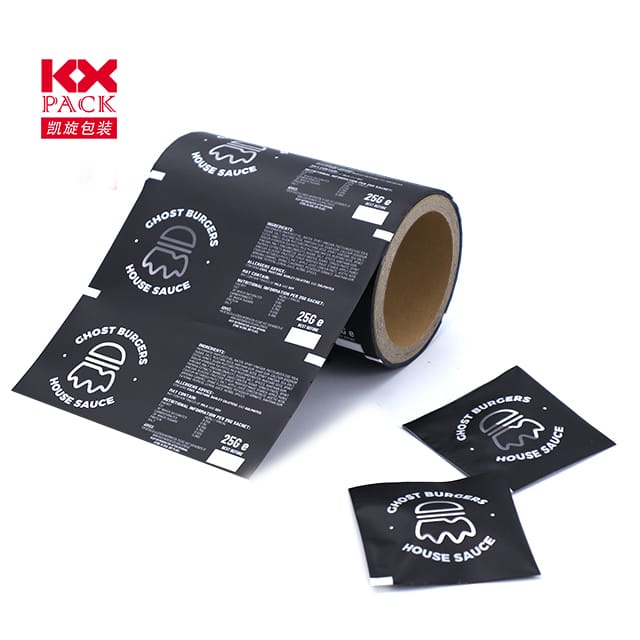
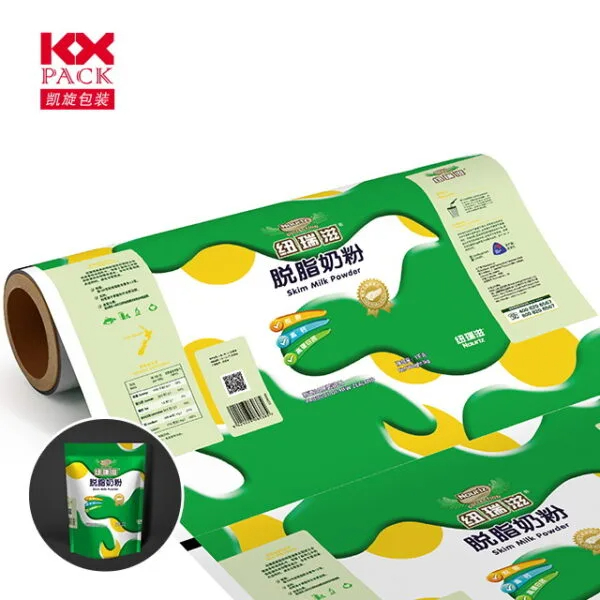
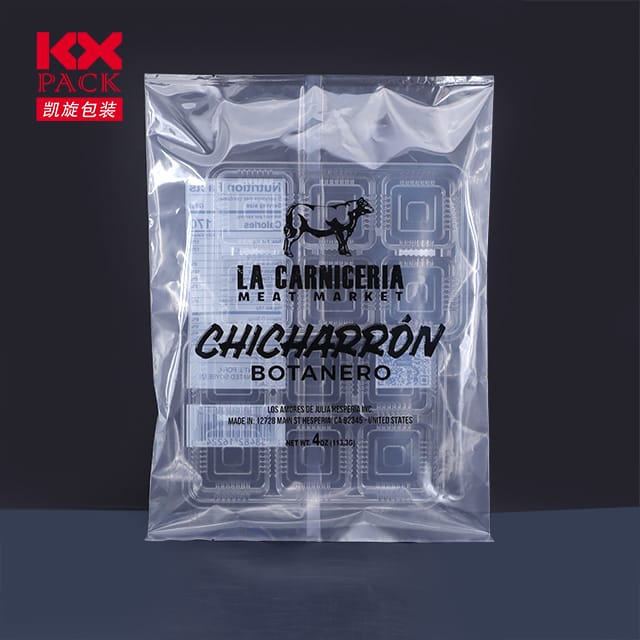
Packaging plastic film refers to thin, flexible sheets made from polymers likeполиетилен (ПЕ), полипропилен (ПП), поливинилхлорид (Пвц), or polyester (КУЋНИ ЉУБИМАЦ). These films are engineered to shield products from moisture, прашина, tampering, and physical damage during storage, поштарина, and display. Available in rolls, sheets, or pre-formed bags, they come in varying thicknesses (measured in microns) to suit different needs.
Common Types of Packaging Plastic Films
- Полиетилен (ПЕ) Филм
- ЛДПЕ (ПЕ ниске густине): Soft and stretchy, ideal for food wrap, pallet shrink wrap, and agricultural mulch.
- ХДПЕ (ПЕ високе густине): Rigid and tear-resistant, used for grocery bags, trash liners, и индустријске кошуљице.
- Полипропилен (ПП) Филм
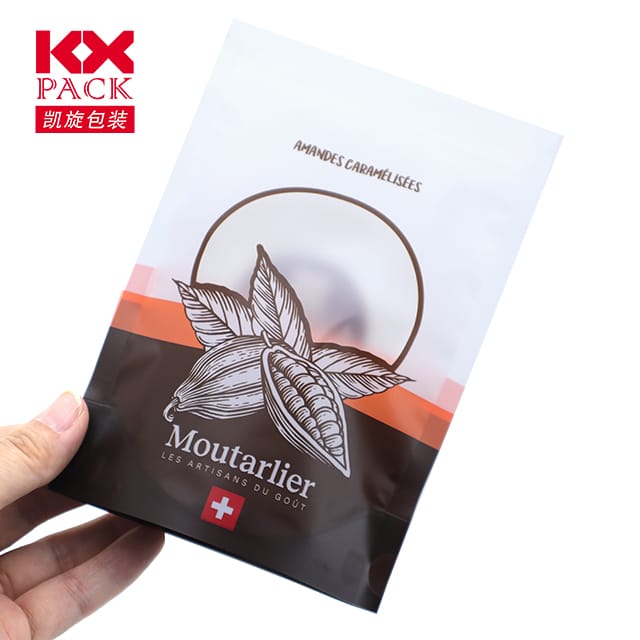
- Offers excellent clarity and heat resistance, making it perfect for snack packaging, laminated pouches, и санитетски материјал.
- поливинил хлорид (Пвц) Филм
- Durable and transparent, commonly used for blister packaging, stationery, and construction films.
- Полиестер (КУЋНИ ЉУБИМАЦ) Филм
- High-strength and chemical-resistant, favored for flexible packaging, налепница, and electrical insulation.
- Биоразградиви филмови
- Направљено од полимера заснованих на биљку (Нпр., Плашт, ПХА), ови филмови се природно распадају под одређеним условима, смањење пластичног отпада.
Key Applications of Packaging Plastic Film
- Прехрамбена индустрија
- Свежи производи: Stretch films and cling wraps preserve freshness by locking in moisture and preventing contamination.
- Meat and cheese: Vacuum-sealed PE or PP films extend shelf life by removing oxygen.
- Грицкалице: Multi-layered laminated films (Нпр., PET/PP) maintain crispness and prevent flavor loss.
- Малопродаја и е-трговина
- Pallet wrapping: Stretch films secure boxes on pallets during transit, reducing shifting and damage.
- Product displays: Shrink-wrap films create tamper-evident packaging for electronics, козметика, and toys.
- Индустрија и грађевинарство
- Vapor barriers: HDPE films protect buildings from moisture during construction.
- Machine protection: Anti-static PP films shield sensitive equipment from dust and static electricity.
- Пољопривреда
- Mulching films: Black PE films suppress weeds and retain soil moisture in farms.
- Silage wraps: UV-resistant films preserve livestock feed by preventing spoilage.
Advantages of Plastic Packaging Film
- Економичан: Lightweight and easy to produce, reducing shipping costs and material waste.
- Customizable: Available in colors, prints, and textures to enhance branding and product appeal.
- Хигијенски: Impermeable to bacteria and moisture, ensuring food safety and product integrity.
- Efficient: Stretch films can reduce packaging volume by up to 50%, optimizing storage space.
Sustainability Challenges and Solutions
While plastic films offer undeniable benefits, their single-use nature has raised environmental alarms. Here’s how the industry is responding:
- Recycling Initiatives
- Many PE and PP films are recyclable. Businesses can partner with programs like TerraCycle to collect used packaging.
- Downcycling: Recycled films are often repurposed into products like plastic lumber or trash bags.
- Biodegradable and Compostable Alternatives
- Филмови направљени од кукурузни брод (Плашт) или шећерна трска (ПХА) decompose in industrial composting facilities within 6–12 months.
- Example: Eco-Flex® by BASF is a compostable film used for organic food packaging.
- Reusable Systems
- Some companies adopt returnable packaging (Нпр., reusable silage wraps or pallet covers) to minimize waste.
- Thinner Films
- Напредује у nanotechnology allow manufacturers to create ultra-thin films (Нпр., 5-micron PE) without sacrificing strength, reducing plastic use by up to 30%.
How to Choose the Right Packaging Film
- Product Requirements:
- Perishable goods? Opt for oxygen-barrier films (Нпр., EVOH-coated PET).
- Heavy items? Choose high-tensile HDPE or reinforced PP films.
- Environmental Impact:
- Prioritize recyclable or biodegradable options if sustainability is a priority.
- Cost Constraints:
- Balance upfront costs with long-term savings (Нпр., reduced damage during shipping).
The Future of Packaging Plastic Film
Иновације волеedible packaging (made from seaweed or starch) иsmart films (with embedded sensors to monitor freshness) are on the horizon. У међувремену, stricter regulations (Нпр., Директива о пластици са једним употребом ЕУ) are pushing industries to adopt circular economy models.
Финалне мисли
Packaging plastic film remains a vital tool for protecting products and reducing waste—but its future hinges on sustainable practices. By opting for recyclable materials, supporting biodegradable alternatives, and optimizing design, businesses can minimize their ecological footprint without compromising performance.
Спремни сте за надоградњу амбалаже? Поделите своје мисли или питања у коментарима испод! 🌍📦
Кључне речи: пластична фолија за паковање, sustainable packaging, biodegradable film, polyethylene film, plastic recycling.