How to Choose the Right Food Vacuum Bag Supplier for High-Performance Vacuum Packaging Bags
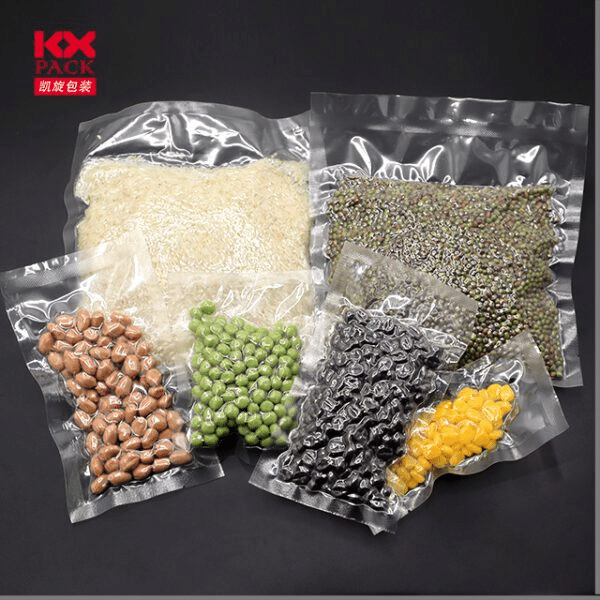
Choosing a reliable food vacuum bag supplier is one of the most critical decisions for food processors, commercial kitchens, butcher shops, and meal-prep brands. High-quality vacuum packaging bags do far more than just cover product on a shelf—they actively preserve freshness, prevent freezer burn, dramatically extend shelf life, and protect your profit margins.
When oxygen enters your packaging, oxidative degradation begins almost immediately. Fats turn rancid, colors fade, and aerobic bacteria multiply. Choosing substandard film or working with an unreliable manufacturer risks pinhole leaks, seal failures, and compromised food safety.
Whether you are scaling up a food production line or looking to optimize wholesale packaging costs, here is an in-depth guide to selecting the right supplier, understanding film specifications, and picking the ideal pouch structure for your operation.
Why Film Chemistry and Pouch Construction Matter
Not all vacuum packaging bags are built the same. A common mistake in food operations is treating all plastic pouches as interchangeable commodities. In reality, vacuum film relies on multi-layer co-extrusion technology designed to create a physical barrier against atmospheric gases and moisture.
Understanding Barrier Layers (PA/PE and EVOH)
Standard vacuum pouches are typically made from a combination of Polyamide (Nylon) and Polyethylene (PE):
- Nylon (PA): Provides exceptional puncture resistance, toughness, and gas barrier properties.
- Polyethylene (PE): Delivers superior heat-sealing capabilities and flexibility, ensuring airtight seals even under cold or damp conditions.
For high-sensitivity products like processed meats, cheese blocks, or long-shelf-life sauces, high-barrier films often incorporate EVOH (Ethylene Vinyl Alcohol). EVOH slashes the Oxygen Transmission Rate (OTR) to near-zero levels, preventing discoloration and flavor distortion over extended storage periods.

Pouch Structure: Smooth vs. Embossed (Channel)
Your equipment determines the type of bag surface texture you need:
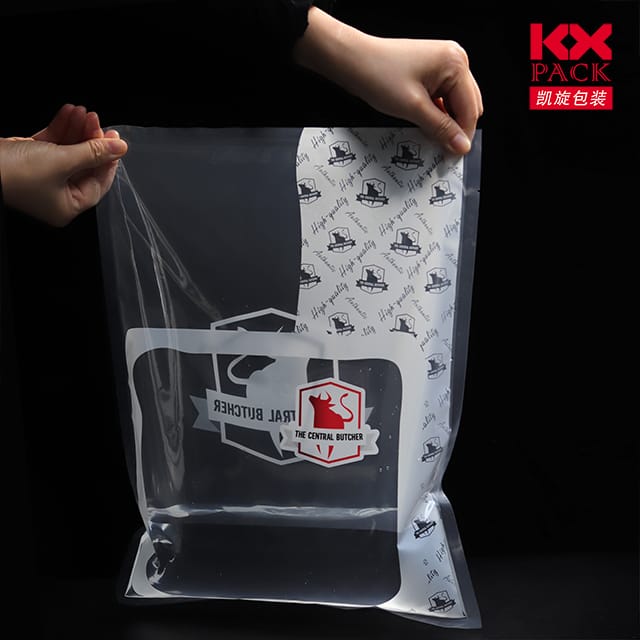
- Smooth Vacuum Pouches: Designed exclusively for chamber vacuum sealers. Air is evacuated from the entire chamber, eliminating the need for surface texture to draw air out. They offer lower per-unit costs, higher clarity, and are the industry standard for commercial meat plants and high-volume food processing.
- Embossed / Channel Vacuum Bags: Featuring a textured, diamond, or mesh pattern on one or both sides, these bags allow external (clamp-style) vacuum sealers to extract air effectively. They are ideal for sous-vide cooking, small commercial kitchens, and light commercial applications.
| Feature | Embossed / Channel Vacuum Bags | Smooth Chamber Vacuum Pouches |
| Sealer Compatibility | Suction / External Clamp Sealers | Chamber Vacuum Sealers |
| Primary Use Case | Small kitchens, catering, sous-vide | Commercial plants, high-volume production |
| Unit Cost | Moderate to High | Low (Cost-effective at scale) |
| Gauge Range | 3 mil – 5 mil (textured) | 2 mil – 7 mil (multi-layer co-extrusion) |
| Puncture Resistance | Good | Exceptional (customizable mil ratings) |
| Custom Printing | Limited surface area | High-definition multi-color printing |
Key Criteria When Evaluating a Food Vacuum Bag Supplier
Partnering with a trusted food vacuum bag supplier requires vetting technical specs, quality control standards, and supply chain flexibility. Here are the core factors to evaluate before committing to a long-term supply agreement:
1. Regulatory Compliance and Food Safety
Food contact packaging must strictly comply with global safety regulations. Verify that your prospective supplier provides fully certified materials:
- FDA & EU Compliance: Direct food-contact certification.
- BPA-Free & Phthalate-Free: Safe for high-temp sous-vide cooking and microwave heating.
- BRCGS / ISO 22000 Certifications: Proves the manufacturing facility operates under strict hygiene and quality management systems.
2. Film Thickness and Puncture Resistance (Mil Ratings)
Using a bag that is too thin leads to microscopic punctures—especially when packaging sharp items like bone-in ribs, shellfish, or dry spices. Conversely, using an overly thick bag wastes operational capital.
- 3 Mil (75 Micron): Standard applications (boneless poultry, ground meat, cheese, soft vegetables).
- 4 Mil (100 Micron): Medium-duty use (cured meats, frozen items, light bone-in chops).
- 5 Mil to 7 Mil (125–175 Micron): Heavy-duty protection (bone-in beef ribs, crustacean shells, heavy industrial items).
A top-tier supplier will offer custom mil configurations and specialized puncture-proof bone guard strips to stop sharp edges from puncturing the seal.
3. Thermal Performance and Application Range
Your operational process dictates the thermal resistance your bags require:
- Freezer Grade: Stays flexible down to sub-zero temperatures (-30°C / -22°F) without cracking or becoming brittle.
- Sous-Vide / Cook-Chill Grade: Withstands high-temperature boiling or precision water-bath cooking up to 100°C (212°F) without delamination or chemical leaching.
- Retort Grade: Handles ultra-high temperature sterilization (up to 121°C / 250°F) for shelf-stable food pouches.
4. Customization and Branding Capabilities
Packaging serves as your silent salesperson on retail shelves. Ask potential suppliers about custom pouch features:
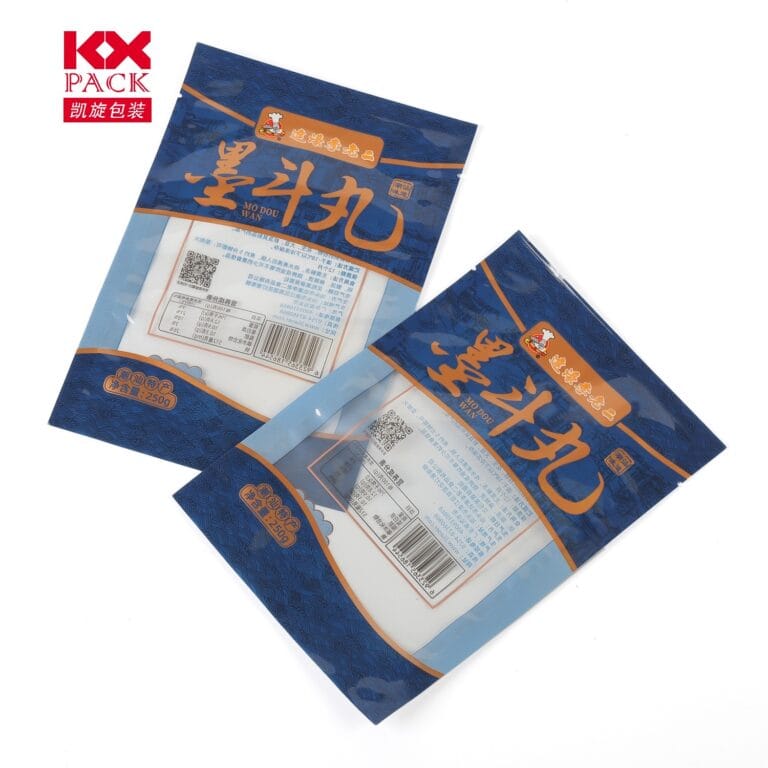
- Flexographic Printing: Up to 10-color photo-realistic printing for branded retail packs.
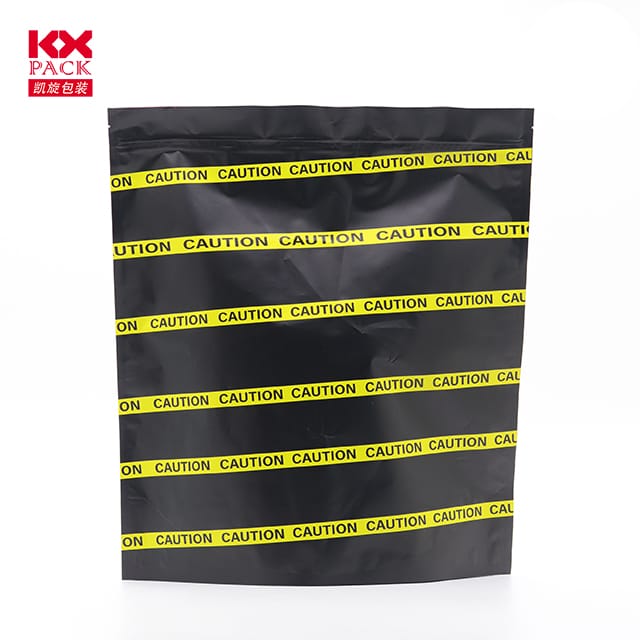
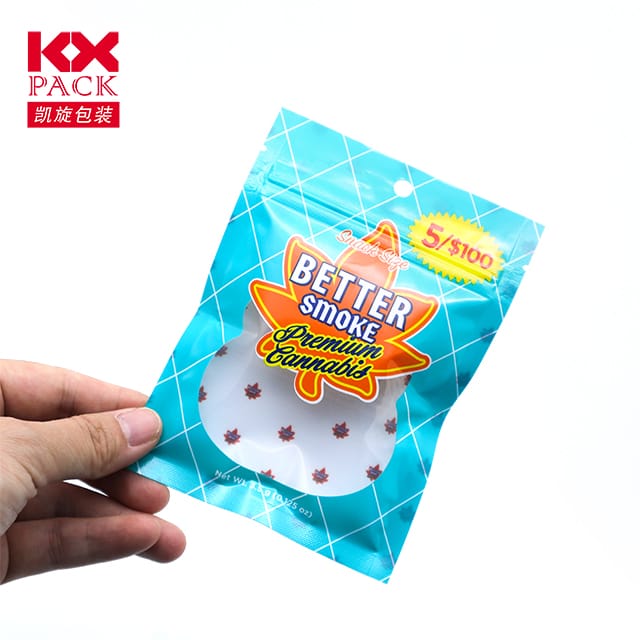
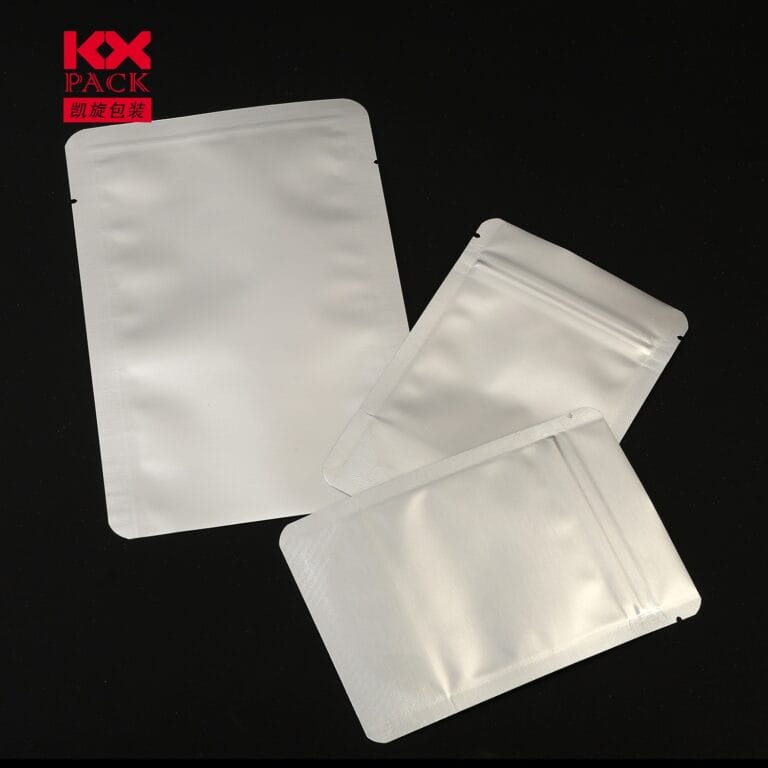
- Convenience Features: Tear notches for easy opening, re-closable press-to-close zippers, hang holes for retail display displays, and gloss or matte finishes.
How Quality Vacuum Bags Impact Your Bottom Line
Investing in high-grade packaging film isn’t just an operational expense—it yields measurable returns across your distribution chain.
When bags leak or fail to hold a seal, food products suffer from rapid moisture loss, freezer burn, and freezer oxidation. That translates directly to discarded inventory, customer refunds, and brand damage. By sourcing high-tensile, multi-layer vacuum packaging bags with low OTR and MVTR (Moisture Vapor Transmission Rate) ratings, you preserve moisture levels, maintain natural meat color, and maximize product yield.
Actionable Steps for Sourcing Your Packaging
- Audit Your Current Seal Failure Rate: Track how many bags lose vacuum pressure during storage or transport. If your failure rate exceeds 0.5%, your film thickness or seal layer quality is inadequate.
- Request Sample Kits: Never order in bulk without testing film performance on your specific vacuum sealing equipment under actual temperature conditions.
- Verify Supply Lead Times: Ensure your food vacuum bag supplier maintains safety stock or offers flexible vendor-managed inventory (VMI) to prevent production downtime.
Choosing the right supply partner gives your brand the protection, shelf life, and professional aesthetic required to stand out in today’s competitive food market.