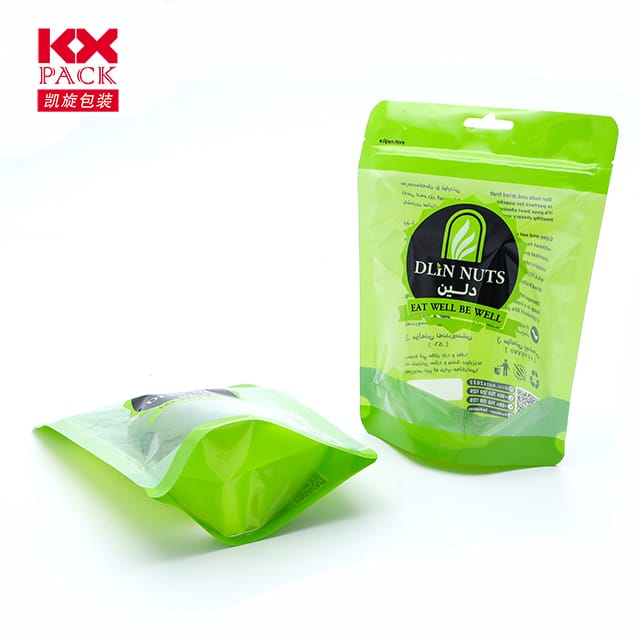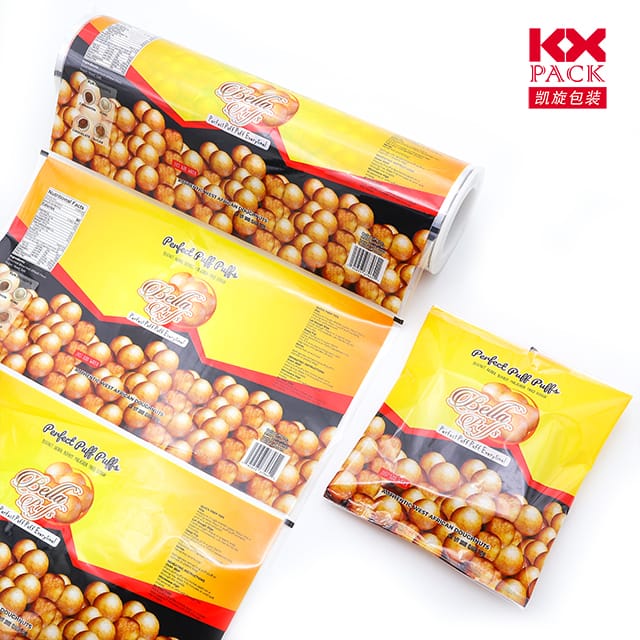
Ang Ebolusyon at Innovation ng Food Packaging Film Rolls: Isang Malalim na Pagsisid sa Mga Makabagong Solusyon sa Kaligtasan ng Pagkain
Mga rolyo ng film ng pagkain sa pagkain
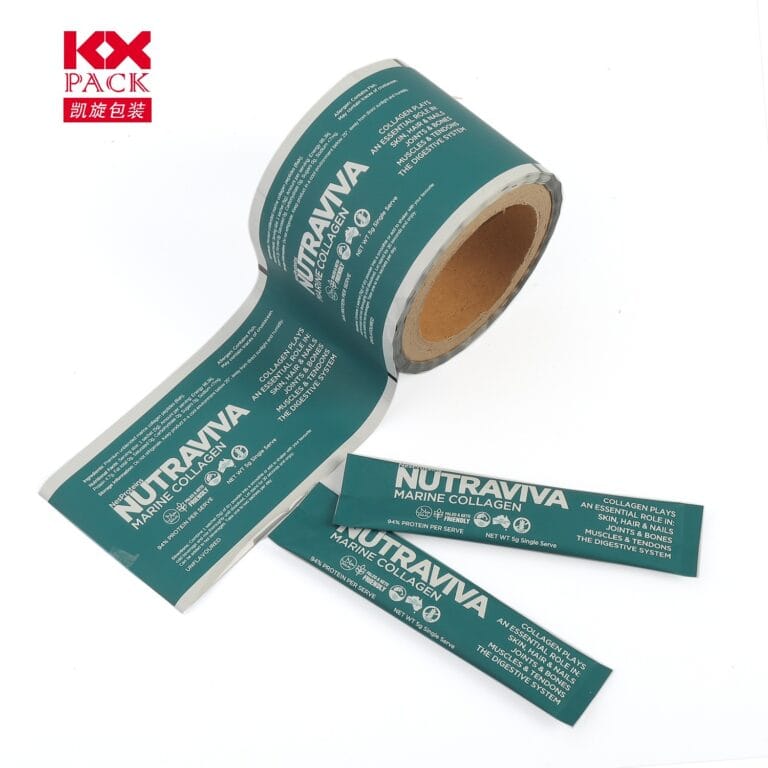
Sa nakagaganyak na mundo ng paggawa ng pagkain at pamamahagi, food packaging film rolls have emerged as unsung heroes, tahimik na pag-iingat ng mga produkto mula sa sakahan hanggang tinidor. Ang mga nababaluktot na ito, Ang mga materyal na may mataas na pagganap ay hindi lamang tungkol sa aesthetics—ang mga ito ay kritikal sa pagpapanatili ng kalidad ng pagkain, pagpapahaba ng buhay ng istante, at pagtiyak sa kaligtasan ng mamimili. I -unpack ang agham, Mga uso, and future potential of this essential packaging component.
1. The Science Behind the Roll: Materials and Technology
Moderno Mga rolyo ng film ng pagkain sa pagkain are engineered marvels, often composed of multi-layered structures combining polymers like PET (Polyethylene Terephthalate), PE (Polyethylene), Pa (Naylon), and EVOH (Ethylene-Vinyl Alcohol Copolymer). Each layer serves a purpose:
- Mga Layer ng Barrier (Evoh, Pa): Block oxygen, kahalumigmigan, at aroma, pinapanatili ang pagiging bago.
- Mga Layer ng Sealant (PE, CPP): Ensure leak-proof closures and heat resistance.
- Mga Napi-print na Layer (PET, BOPP): Enable vibrant graphics and branding.
Advanced Mga rolyo ng film ng pagkain sa pagkain manufacturing techniques, tulad ng co-extrusion and lamination, allow these layers to bond seamlessly, creating films that are both durable and functional. Halimbawa, a typical roll might feature a PET/AL/NY/LDPE istraktura, offering high barrier properties and puncture resistance—ideal for snacks, Kape, or frozen foods.
2. Sustainability: From Waste to Renewable Solutions
The global push for sustainability has reshaped the food packaging industry. Mga tradisyunal na plastik na pelikula, habang epektibo, contribute to environmental pollution. PumasokBiodegradable at compostable films, made from materials likePLA (Polylactic acid), timpla ng starch, o cellulose. These films decompose naturally, reducing landfill burden.
Another innovation ismga recyclable na mono-material na istruktura, such as all-PE or all-PP films, which simplify recycling processes. Halimbawa, acold-laminated PET/PE film roll can be recycled into new packaging, pagsasara ng loop sa basura. Mga tatak tulad ngKanghui in China now offer eco-friendly options withgravure printing up to 10 mga kulay, proving that sustainability doesn’t mean sacrificing visual appeal.
3. Smart Packaging: Ang susunod na hangganan
The future of food packaging film rolls lies inmatalinong teknolohiya that enhance safety and consumer experience. Imagine a film embedded withMga tagapagpahiwatig ng temperatura ng oras (Ttis), which change color if food is exposed to unsafe temperatures during transit. Or agas-scavenging film that absorbs ethylene (a ripening hormone) from fresh produce, extending shelf life by days.
Mga makabagong tulad ngmicro-perforated films allow controlled gas exchange, optimizing the atmosphere inside the package. Halimbawa, aflexible micro-perforated bag can keep strawberries fresh for up to 14 days—a game-changer for perishable goods.
4. Global Market Trends and Challenges
The global food packaging film market is booming, inaasahang maabot$51.9 bilyon sa pamamagitan ng 2030 (CAGR 6.4%). Kasama sa mga pangunahing driver:
- Rising demand for convenience foods (hal., meryenda, ready meals).
- Mahigpit na mga regulasyon sa kaligtasan ng pagkain pushing for better barrier materials.
- E-commerce growth, necessitating durable, tamper-evident na packaging.
Gayunpaman, challenges persist.Pabagu-bagong gastos sa hilaw na materyales (linked to oil prices) atregulatory hurdles (hal., Ipinagbabawal ng EU ang mga single-use na plastic) demand innovation. Companies are responding by investing inR&D for alternative materials atlightweighting to reduce plastic use without compromising performance.
5. Pag -aaral ng Kaso: A Roll for Every Need
KumuhaZhejiang Kanghui’s flexible film rolls, which cater to diverse applications:
- Packaging ng Meryenda: High-barrier PET/PE films with anti-fog properties to keep chips crisp.
- Mga frozen na pagkain: Heavy-duty PA/PE films resistant to cold temperatures and freezer burn.
- Mga parmasyutiko: Sterilizable, medical-grade films for sensitive products.
KanilangOEM services allow brands to customize thickness, print designs, and even add functional additives likeMga ahente ng antimicrobial (hal., silver-ion coatings) for extended freshness.
Konklusyon: The Roll That Keeps Rolling
Food packaging film rolls are more than just rolls of plastic—they are a testament to human ingenuity in balancing safety, pagpapanatili, at kaginhawaan. Habang umuunlad ang teknolohiya, these films will become smarter, mas luntian, and more versatile, adapting to the evolving needs of consumers and the planet.
Kaya, the next time you tear open a bag of chips or unwrap a frozen meal, take a moment to appreciate the roll of film that made it all possible. Pagkatapos ng lahat, great packaging is often invisible—until you need it.
What innovations would you like to see in food packaging film rolls? Ibahagi ang iyong mga saloobin sa ibaba! 🌱🍃📦