Laminación de película 101: Protector, Mejor, y transformación de superficies con una capa delgada de innovación
Laminación de película
Desde pantallas brillantes de teléfonos inteligentes hasta diseños de empaques vibrantes, laminación de película es un héroe silencioso en la fabricación y el diseño modernos.. Este proceso implica aplicar un delgado, Capa de película protectora a las superficies, ofreciendo durabilidad, estética, y funcionalidad. Si eres un entusiasta de bricolaje, dueño de un negocio, o simplemente curiosidad por los materiales cotidianos, Comprender la laminación de películas puede desbloquear posibilidades creativas y soluciones prácticas..
¿Qué es la laminación de película??
La laminación de una película es el proceso de unir una película de plástico, generalmente hecha de materiales como el poliéster. (MASCOTA), polipropileno (PÁGINAS), o vinilo—a un sustrato (p.ej., papel, cartulina, metal, o madera) usando calor, presión, o adhesivos. El resultado? Una superficie reforzada que resiste los arañazos., humedad, Rayos UV, y desvaneciéndose, mientras que a menudo agrega un acabado elegante.
Beneficios clave de la laminación de películas
- Protección contra el desgaste
Las películas laminadas actúan como escudo., proteger las superficies de derrames, manchas, huellas dactilares, y abrasión. Esto los hace ideales para elementos de mucho tráfico, como menús., tarjetas de identificación, o señalización exterior. - Estética mejorada
Las películas vienen en mate., lustroso, texturizado, o acabados metálicos, permitiendo a los diseñadores elevar las imágenes. Un laminado brillante puede resaltar los colores, mientras que un acabado mate reduce el brillo para facilitar la lectura. - Vida útil extendida
Previniendo el desvanecimiento y la degradación, la laminación preserva la integridad de los documentos, obra de arte, o etiquetas de productos, reduciendo la necesidad de reemplazos. - Actualizaciones funcionales
Las películas especializadas pueden agregar propiedades como revestimiento antigraffiti, protección antimicrobiana, o incluso capacidades de bloqueo de RFID por motivos de seguridad.
Tipos de técnicas de laminación de películas
- Laminación Térmica
Utiliza calor para activar una capa adhesiva en la película., uniéndolo al sustrato. Común para productos de papel como tarjetas de visita o portadas de libros.. - Laminación sensible a la presión
Se basa en películas adhesivas aplicadas con presión. (p.ej., mediante rodillos o herramientas manuales). Perfecto para superficies irregulares o reparaciones sobre la marcha. - Laminación líquida
Se rocía o se aplica una capa líquida sobre la superficie., luego curado para formar una película protectora. A menudo se utiliza para impresiones de gran formato o aplicaciones industriales.. - Laminación en frío
Utiliza solo presión para adherir películas., eliminando la necesidad de calor. Ideal para materiales sensibles al calor como ciertos plásticos o fotografías..
Aplicaciones en todas las industrias
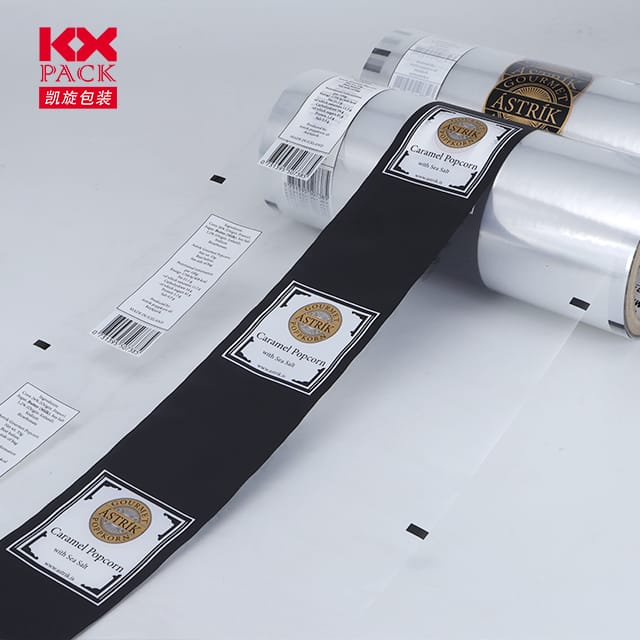
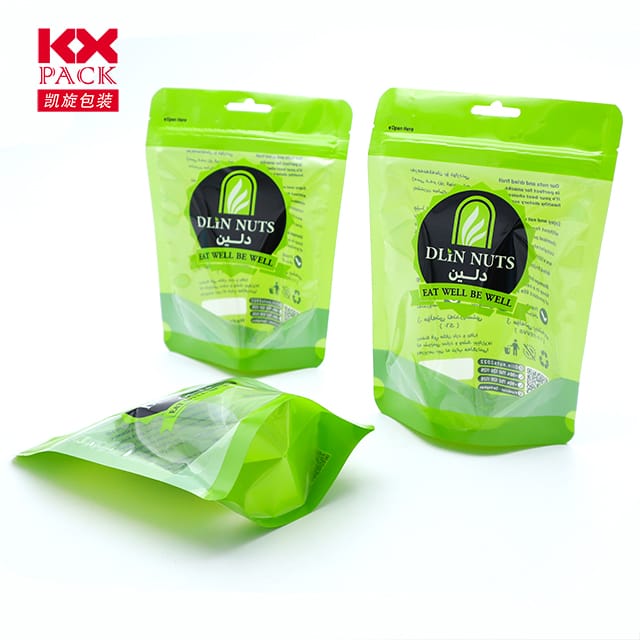
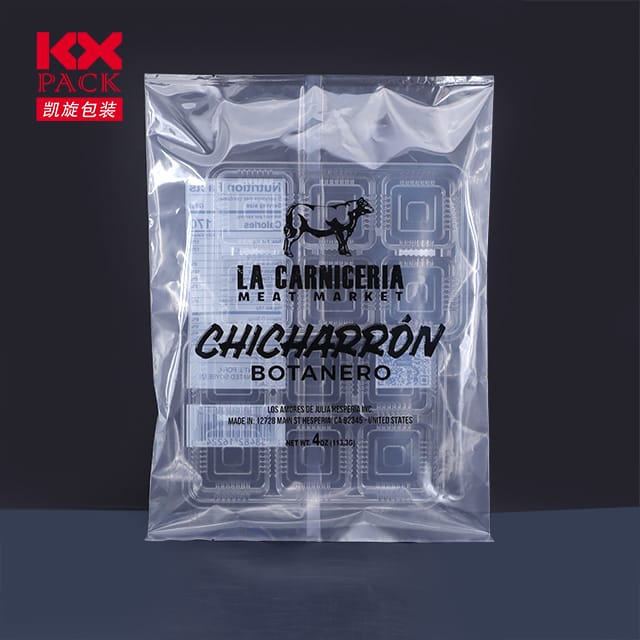
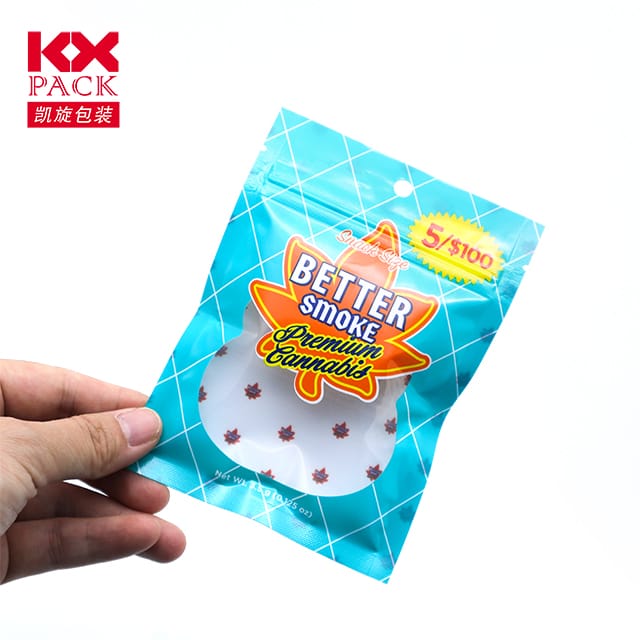
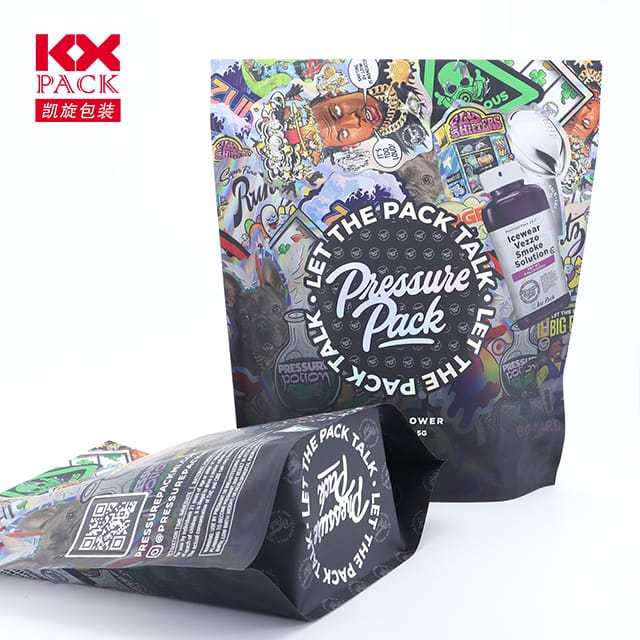
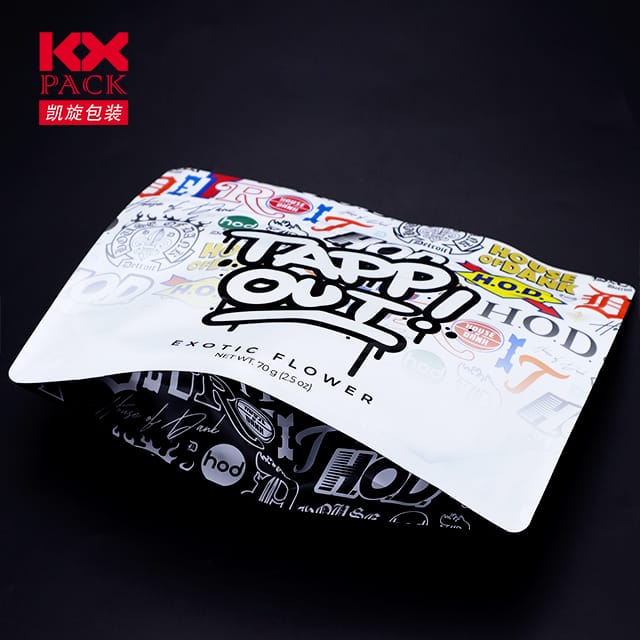
- Embalaje: Las películas laminadas mantienen los alimentos frescos y las etiquetas intactas, incluso en ambientes húmedos.
- Electrónica: Los protectores de pantalla y las carcasas de los dispositivos utilizan películas laminadas para resistencia a los arañazos y sensibilidad táctil..
- Automotor: Los revestimientos del tablero y los paneles interiores se basan en películas laminadas para brindar durabilidad y una sensación de primera calidad..
- Arte & Fotografía: Las obras de arte enmarcadas o las impresiones fotográficas están laminadas para evitar el daño causado por los rayos UV y el color amarillento..
- Construcción: El vidrio laminado y las películas arquitectónicas mejoran la seguridad y la eficiencia energética en los edificios.
Laminación de película de bricolaje: Consejos para principiantes
¿Quieres probar la laminación en casa?? He aquí cómo empezar:
- Elija la película adecuada: Opte por un vinilo autoadhesivo o una película de PET para mayor simplicidad..
- Limpiar la superficie: El polvo o la grasa pueden provocar burbujas; limpie bien el sustrato.
- Usa una escobilla de goma: Aplicar la película lentamente., usar una escobilla de goma para expulsar las burbujas de aire a medida que avanza.
- Recortar el exceso: Un cuchillo artesanal afilado garantiza bordes limpios.
Para proyectos más grandes, Considere invertir en una máquina laminadora básica. (disponible para menos $50 para uso doméstico).
Consideraciones de sostenibilidad
Mientras que la laminación prolonga la vida útil del producto, es importante abordar los desafíos del reciclaje. Muchos materiales laminados son difíciles de separar en película y sustrato., lo que lleva a residuos de vertederos. Sin embargo, innovaciones como:
- Películas biodegradables hecho de materiales de origen vegetal.
- Laminados reciclables diseñado para una fácil separación.
- Películas reutilizables (p.ej., superposiciones estáticas) están reduciendo el impacto ambiental.
El futuro de la laminación cinematográfica
Los avances en nanotecnología y materiales inteligentes están superando los límites. Imagínese laminados que:
- Arañazos que se curan solos.
- Cambia de color con la temperatura o la luz..
- Generar energía mediante células solares integradas.
Las posibilidades son tan escasas e ilimitadas como las propias películas.!
Pensamientos finales
La laminación de películas es más que una simple capa protectora: es una herramienta para la innovación, sostenibilidad, y creatividad. Si estás preservando recuerdos, productos de marca, o diseñar el próximo material innovador, esta humilde tecnología merece una mirada más cercana.
¿Ha utilizado laminación de película en un proyecto?? Comparte tus consejos o aplicaciones favoritas en los comentarios a continuación.! 🎬✨