Proveedores de películas de embalaje: Navegación de tendencias, Sostenibilidad, e innovación en 2025
Proveedores de películas de embalaje
Lo global mercado de películas de embalaje se proyecta alcanzar $185 mil millones por 2030, creciendo en un CAGR de 5.2% de 2025 a 2030. Impulsado por la creciente demanda de comercio electrónico, Preocupaciones de seguridad alimentaria, y un cambio hacia embalaje sostenible, Los fabricantes y proveedores están bajo presión para entregar alto rendimiento, películas ecológicas sin comprometer el costo o la funcionalidad.(Proveedores de películas de embalaje)
Si eres un procesador de alimentos, detallista, o fabricante industrial, eligiendo lo correctoproveedor de película de embalaje es critico. Este blog explora tendencias clave., capacidades del proveedor, y desafíos que dan forma a la industria en 2025.
1. Descripción general del mercado: ¿Quién lidera el grupo??
El mercado de las películas de embalaje está dominado porgigantes multinacionales yactores regionales especializados, cada uno de ellos atiende a diferentes segmentos:
Líderes globales
- Amcor (Australia/Suiza): Un pionero en películas reciclables y biodegradables, incluido BOPP (Polipropileno orientado biaxialmente) y educación física (Polietileno) para envasado de alimentos.
- Baya Global (EE.UU): Ofertas películas de alta barrera para productos frescos, carne, y productos farmacéuticos, con un enfoque en reciclado posconsumo (PCR) contenido.
- Aire sellado (EE.UU): conocido por películas retráctiles y envases criogénicos para perecederos, aprovechando Optimización de la cadena de suministro impulsada por IA para reducir el desperdicio.
- Mitsubishi Química (Japón): Se especializa en películas de barrera avanzadas usando Evoh (Alcohol vinílico de etileno) para productos sensibles al oxígeno como café y snacks.
Especialistas Regionales
- Uflex (India): un líder proveedor de embalajes flexibles ofrenda películas biodegradables y compostables para mercados emergentes.
- Películas de polietileno Jindal (India): Domina el Mercado de películas BOPP en Asia, abastecimiento películas metalizadas para snacks y confitería.
- Covestro (Alemania): Se centra en poliuretano de alto rendimiento (PU) películas para aplicaciones médicas e industriales.
Innovadores de nicho
- TIPA Corp. (Israel): Desarrolla películas totalmente compostables que se descomponen en las instalaciones de compostaje industrial dentro 180 días.
- Notpla (Reino Unido): Usos envases a base de algas para aplicaciones de un solo uso como bolsitas de condimentos y recipientes para llevar.
- Sulápac (Finlandia): Ofertas películas biodegradables a base de madera para envases de lujo, Dirigido a marcas de cosmética y moda..
2. Tendencias clave que impulsan la innovación de los proveedores
a. Sostenibilidad: De reciclable a compostable
Con60% de los consumidores dispuestos a pagar más por envases ecológicos, Los proveedores están invirtiendo en:
- Materiales biodegradables: PLA (Ácido poliláctico), PHA (Polihidroxialcanoatos), y películas a base de almidón.
- Contenido reciclado: Aumento del uso de PCR en películas de PE y PP para cumplir Directiva de plásticos de un solo uso de la UE y objetivos de sostenibilidad corporativa.
- Soluciones de economía circular: Asociaciones con empresas de reciclaje químico para convertir las películas de desecho en polímeros de calidad virgen.(Proveedores de películas de embalaje)
b. Películas de alta barrera para prolongar la vida útil
El desperdicio de alimentos sigue siendo una de las principales preocupaciones, impulsando la demanda de películas multicapa con oxígeno, humedad, y barreras UV. A los proveedores les gusta Amcor y Mitsubishi Química se estan desarrollando películas nanorecubiertas que prolongan la vida útil en 30–50% para productos frescos y carnes.(Proveedores de películas de embalaje)
C. Embalaje inteligente: Películas que hablan, Pista, y proteger
- Películas habilitadas para RFID para visibilidad de la cadena de suministro (p.ej., Embalaje SmartLife™ de Sealed Air).
- Indicadores de frescura que cambian de color cuando la comida se echa a perder (p.ej., Indicadores de tiempo-temperatura de Insignia Technologies).
- Películas antifalsificación con autenticación holográfica o mediante código QR para artículos de lujo.(Proveedores de películas de embalaje)
d. Liviano & Optimización de costos
Los proveedores están utilizandotécnicas avanzadas de extrusión para reducir el espesor de la película sin sacrificar la resistencia, Reducir los costos de materiales mediante10–15% para compradores de gran volumen.
3. Cómo elegir el proveedor de películas de embalaje adecuado?
a. Experiencia en materiales & Certificaciones
Asegurar las ofertas del proveedor.:
- Cumplimiento de calidad alimentaria: FDA, UE 10/2011, y ISO 22000 para materiales en contacto con alimentos.(Proveedores de películas de embalaje)
- Certificaciones de sostenibilidad: Aceptar abono, TÜV Austria, o BPI (Instituto de Productos Biodegradables) para reclamaciones compostables.
- Control de calidad: ISO 9001 y Estándares globales BRC para un rendimiento constante.
b. Capacidades de personalización
Los principales proveedores ofrecen:
- Coextrusión multicapa para propiedades de barrera personalizadas.
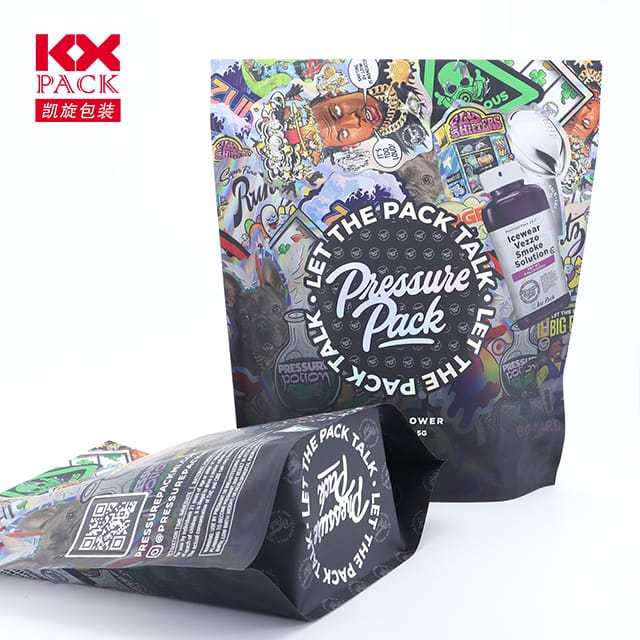
- Opciones de impresión: Flexográfica, rotograma, o impresión digital para branding.
- Tamaños personalizados & espesores: De 10µm a 200 µm para diferentes aplicaciones.
C. Confiabilidad de la cadena de suministro
- Huella de fabricación global: Reduce los plazos de entrega y los costos de envío..
- Gestión de inventario: Justo a tiempo (JIT) entrega para minimizar los gastos de almacenamiento.(Proveedores de películas de embalaje)
- Mitigación de riesgos: Doble abastecimiento y planes de contingencia para la escasez de materias primas..
d. Competitividad de costos
- MOQ (Cantidades mínimas de pedido): Típicamente 5–10 toneladas métricas para películas personalizadas.
- Precio por kilo: Varía según el material. (p.ej., 2–4/kgramoFoBOPP∗∗vs.∗∗8–12/kg para PLA biodegradable).
- Descuentos por volumen: Negociar precios escalonados para contratos a largo plazo.
4. Desafíos que enfrentan los proveedores de películas para embalaje
a. Volatilidad de la materia prima
- Fluctuaciones del precio del petróleo crudo Impacto en los costos de PE y PP..
- Escasez de materia prima para bioplásticos (p.ej., maíz para PLA) debido a demandas agrícolas competitivas.
b. Presiones regulatorias
- Reglamento de la UE sobre envases y residuos de envases (PPWR) mandatos 30% contenido reciclado en envases de plástico por 2030.
- SB de California 54 prohíbe los plásticos de un solo uso a menos que sean verdaderamente reciclable o compostable.
C. Escepticismo del consumidor
- Preocupaciones por el lavado verde: Las marcas deben verificar las afirmaciones de sostenibilidad de los proveedores con certificaciones de terceros..
- Compensaciones de rendimiento: Las películas biodegradables pueden tener propiedades de barrera más bajas que los plásticos convencionales.
Conclusión: El futuro de las películas de embalaje es flexible, Elegante, y verde
Mientras las marcas corren para encontrarseASG (Ambiental, Social, Gobernancia) objetivos, Los proveedores de películas para embalaje deben innovar más rápido que nunca. Los ganadores serán aquellos que ofrezcanescalable, soluciones sostenibles sin comprometer el costo o la funcionalidad.
Ya sea que esté lanzando una nueva línea de productos u optimizando el empaque existente, asóciese con un proveedor que se alinee con sushoja de ruta de sostenibilidad, estándares de calidad, y presupuesto. La película adecuada puede proteger su producto (y la reputación de su marca) en los años venideros..
📞Necesita ayuda para encontrar el proveedor de películas de embalaje perfecto? Contáctenos para una consulta gratuita sobresostenible, películas de alto rendimiento adaptado a su industria! 🌍✨