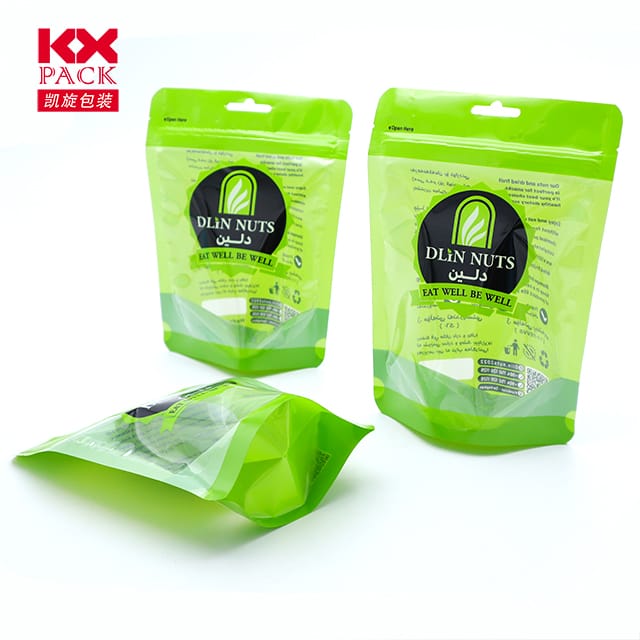
Bossa de pel·lícula: L'heroi desconegut de l'embalatge flexible
Bossa de pel·lícula
En un món dominat per la comoditat i la sostenibilitat, bossa de pel·lícula s'ha convertit en un actor crític en la indústria de l'embalatge. Aquests petits, Les bosses versàtils estan a tot arreu: des de sobres de cafè d'una sola porció i articles de tocador de mida de viatge fins a paquets de condiments i tires farmacèutiques. Però què fa que la pel·lícula de sobres sigui tan indispensable, i com està evolucionant per satisfer les demandes modernes? Endinsem-nos en el món d'aquesta solució d'embalatge lleugera però potent.
Què és Sachet Film?
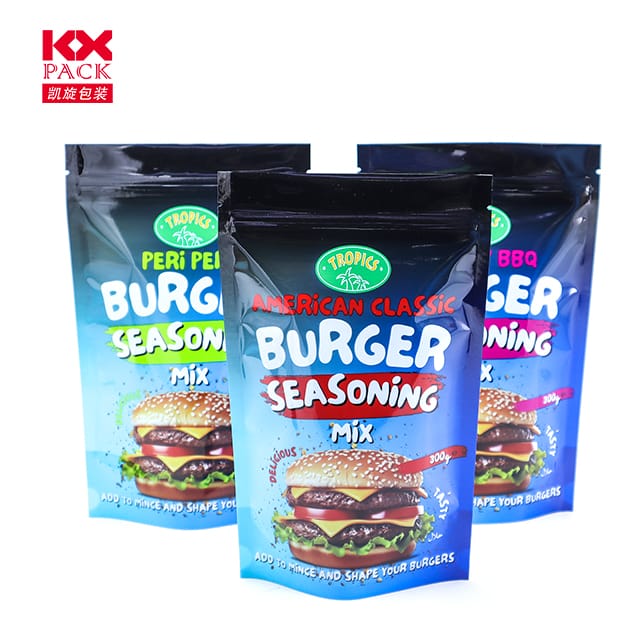
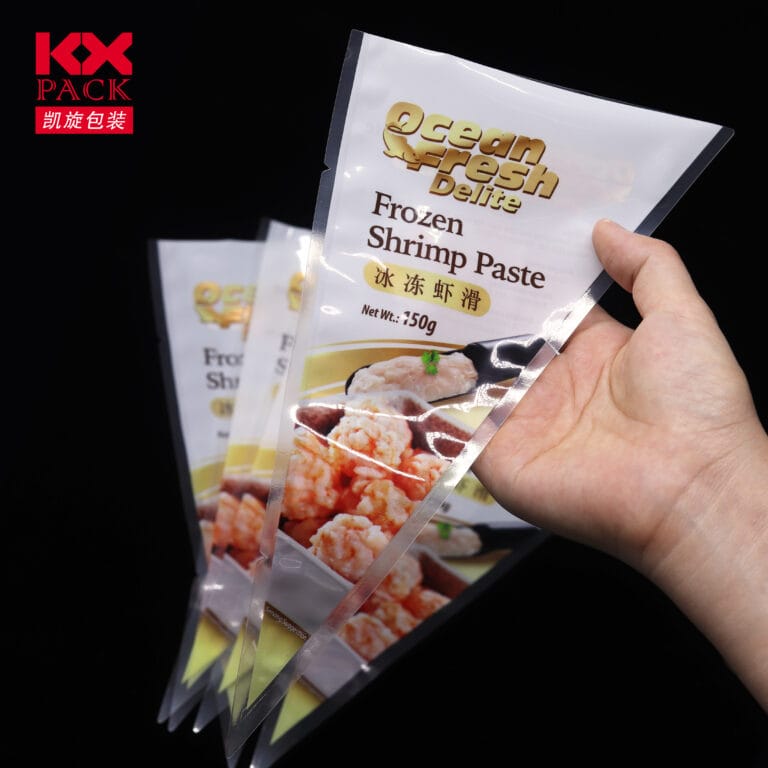
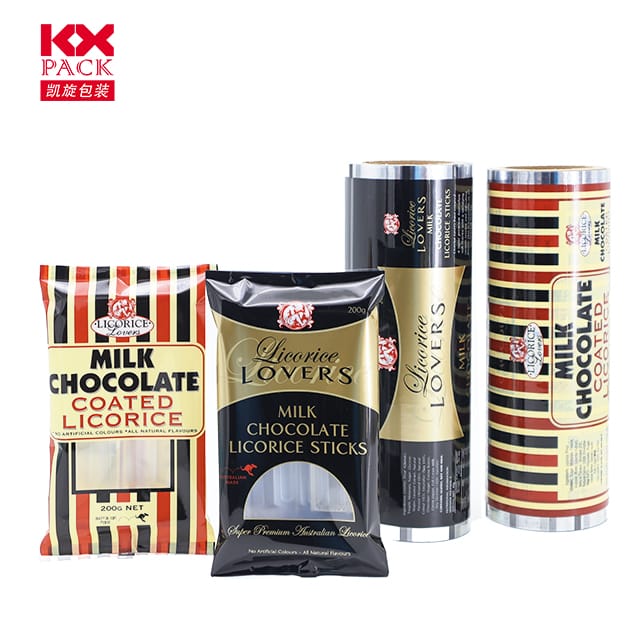
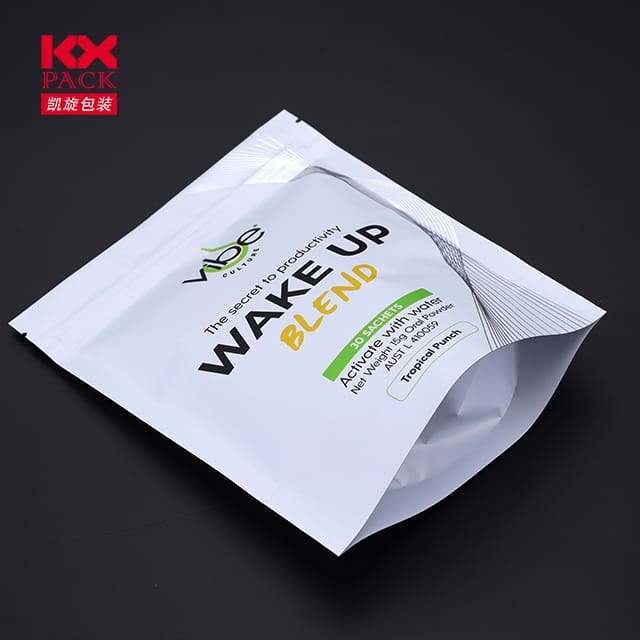
La pel·lícula de sobre es refereix a prim, materials laminats flexibles utilitzats per crear petits, bosses segellades (sobres) per envasar líquids, pols, o semisòlids. Normalment es compon de diverses capes, com ara el polièster (PET), polietilè (PE), paper d'alumini, o polímers biodegradables: aquestes pel·lícules combinen força, propietats de barrera, i imprimibilitat per protegir el contingut de la humitat, oxigen, llum, i contaminació.
Característiques clau:
- Lleuger i compacte: Minimitza l'ús del material i els costos d'enviament.
- Personalitzable: Disponible en diverses mides, formes, i mètodes de segellat (p. ex., termosegellat, pelable).
- Opcions d'alta barrera: Algunes pel·lícules inclouen capes d'alumini o EVOH per allargar la vida útil.
- Alternatives ecològiques: Adopció creixent de pel·lícules biodegradables i compostables.
Per què importa la pel·lícula Sachet
1. Conveniència per als consumidors
Els sobres atenen els estils de vida en moviment, oferint control de porcions i reduint els residus. Penseu en els paquets de ketchup a les cadenes de menjar ràpid o les màscares facials d'un sol ús als hotels: aquests paquets petits ofereixen comoditat sense massa..
2. Rentable per a les marques
Per als fabricants, La pel·lícula de sobres redueix els costos del material en comparació amb els envasos rígids (com ampolles o pots) i redueix les despeses d'enviament a causa de la seva naturalesa lleugera. També és ideal per a mostres gratuïtes o productes de mida de prova, impulsant l'adquisició de clients.
3. Reptes i innovacions de la sostenibilitat
Mentre que els sobres són pràctics, el seu caràcter d'un sol ús ha generat preocupacions mediambientals. Els films laminats tradicionals sovint no són reciclables a causa de la barreja de materials. No obstant això, la indústria respon amb:
- Pel·lícules biodegradables: Fabricat amb polímers basats en plantes (p. ex., PLA, PHA) que es descomponen en condicions específiques.
- Monomaterials reciclables: Utilitzant plàstics d'un sol tipus (com PE) per simplificar el reciclatge.
- Sobres reutilitzables: Algunes marques ara ofereixen bosses recarregables o duradores per reduir els residus.
4. Versatilitat en diferents sectors
La pel·lícula sachet serveix a diversos sectors:
- Menjar & Beguda: Paquets de condiments, pals de mel, sobres de gel energètic.
- Atenció personal: Mostres de xampú, beines hidratants, pasta de dents de mida de viatge.
- Farmacèutics: Blister per a pastilles, sobres per a suspensions orals.
- Agricultura: Paquets de llavors, sobres d'adob.
El futur del Sachet Film
Com que la sostenibilitat esdevé una prioritat, el mercat de les pel·lícules en sobres està canviant cap a alternatives més ecològiques. Les innovacions inclouen:
- Pel·lícules solubles en aigua: Dissoldre en aigua, sense deixar residus (utilitzat per a les beines de detergent).
- Tecnologies avançades de reciclatge: Reciclatge químic per trencar laminats complexos.
- Embalatge intel·ligent: Incorporació de codis QR o etiquetes NFC per a la lluita contra la falsificació i la implicació del consumidor.
Les marques també estan redissenyant els sobres per ser més ergonòmics, amb osques fàcils de trencar o cremalleres que es poden tornar a tancar, millora de l'experiència de l'usuari.
Conclusió: Paquet petit, Gran Impacte
La pel·lícula de sobre pot ser petita, però el seu paper en els envasos moderns és monumental. Equilibrant la comoditat, cost, i sostenibilitat, continua adaptant-se a les necessitats dels consumidors i als reptes ambientals. Tant si sou una marca que busca optimitzar l'envàs o un consumidor que gaudeix d'un cafè d'una sola porció, La pel·lícula de sobres està configurant de manera silenciosa com interactuem amb els productes cada dia.
Quina és la teva opinió sobre la pel·lícula de sobre? Comparteix els teus pensaments sobre la seva sostenibilitat o els seus usos preferits als comentaris següents!
Voleu estar al dia de les tendències d'envasos? Segueix el nostre bloc per obtenir més informació. 🌍✨