La guia definitiva per a la laminació de pel·lícules: Millorar la durabilitat i l'estètica en totes les indústries
Laminació de pel·lícules
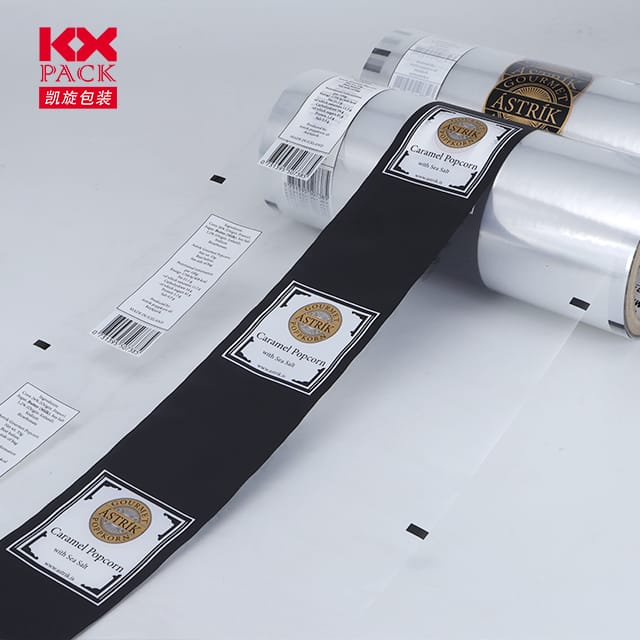
La laminació de pel·lícules és un procés versàtil que consisteix a aplicar una capa fina, capa protectora (normalment plàstica o a base de polímers) a superfícies com el paper, cartró, teixit, o fins i tot metall. Aquesta tècnica s'utilitza àmpliament a totes les indústries, des de l'embalatge i la impressió fins a la fabricació d'electrònica i automoció, per millorar la durabilitat, estètica, i funcionalitat. Explorem com funciona la laminació de pel·lícules, els seus beneficis clau, i per què és un canvi de joc per a empreses i creadors.
Què és la laminació de pel·lícules?
La laminació de pel·lícules és el procés d'unió d'una pel·lícula transparent o de color sobre un substrat (material base) utilitzant calor, pressió, o adhesiu. El resultat? Un reforçat, superfície visualment atractiva que resisteix el desgast, llàgrima, i danys ambientals. Els tipus comuns de pel·lícules de laminació inclouen:
- Polipropilè (PP): Lleuger i flexible, ideal per a envasos i etiquetes d'aliments.
- Polièster (PET): Molt durador i resistent a la calor, utilitzat en aplicacions industrials.
- PVC (Vinil): Ofereix un acabat brillant o mat, popular per a senyalització i exhibicions.
- Pel·lícules biodegradables: Alternatives ecològiques fetes amb materials d'origen vegetal.
Com funciona la laminació de pel·lícules?
El procés normalment inclou aquests passos:
- Preparació de la superfície: El substrat es neteja per assegurar una adherència adequada.
- Aplicació pel·lícula: La pel·lícula de laminació es col·loca sobre el substrat, manualment o mitjançant maquinària automàtica.
- Vinculació: Calor, pressió, o l'adhesiu activa l'enllaç entre la pel·lícula i el substrat.
- Laminació tèrmica utilitza calor per fondre la capa adhesiva de la pel·lícula.
- Laminació en fred es basa en adhesius sensibles a la pressió per a materials sensibles a la calor.
- Retall: L'excés de pel·lícula es talla, deixant un acabat perfecte.
Beneficis clau de la laminació de pel·lícules
- Durabilitat millorada:
- Protegeix contra la humitat, raigs UV, productes químics, i abrasió, allargant la vida útil dels productes.
- Ideal per a senyalització exterior, DNI, i envasos exposats a una manipulació brusca.
- Estètica millorada:
- Afegeix un brillantor, mat, o acabat texturat per augmentar l'atractiu visual.
- Evita l'esvaïment, taques, o arrugant, assegurant colors vibrants i text nítid.
- Seguretat i higiene:
- Crea una barrera contra bacteris i contaminants, crucial per als envasos d'aliments i subministraments mèdics.
- Algunes pel·lícules estan aprovades per la FDA per al contacte directe amb els aliments.
- Cost-efectivitat:
- Redueix la necessitat de substitucions freqüents, estalviar diners a llarg termini.
- Les pel·lícules lleugeres minimitzen els costos d'enviament en comparació amb els recobriments protectors més voluminosos.
Aplicacions de la laminació de pel·lícules en diferents indústries
- Embalatge:
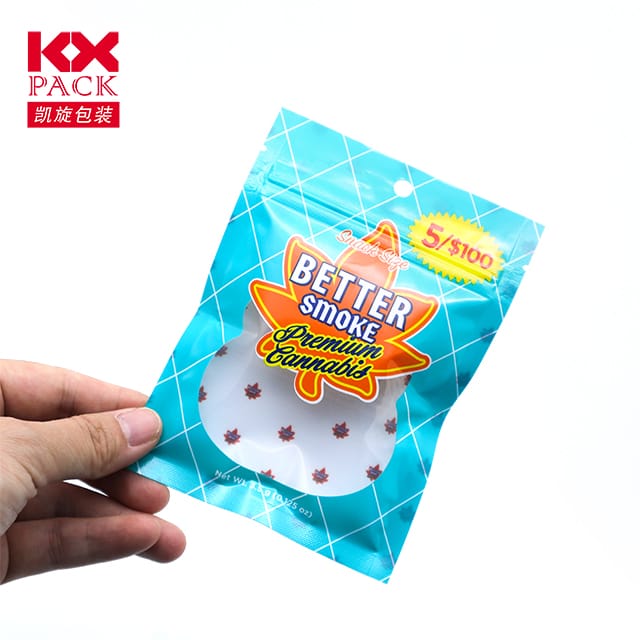
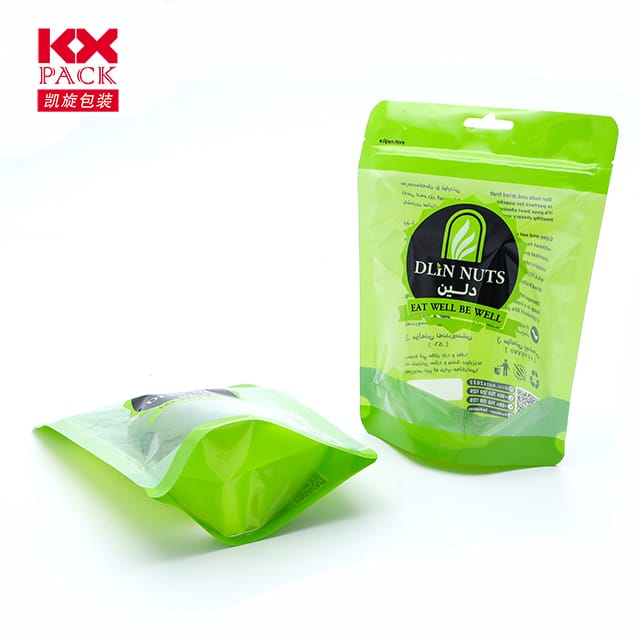
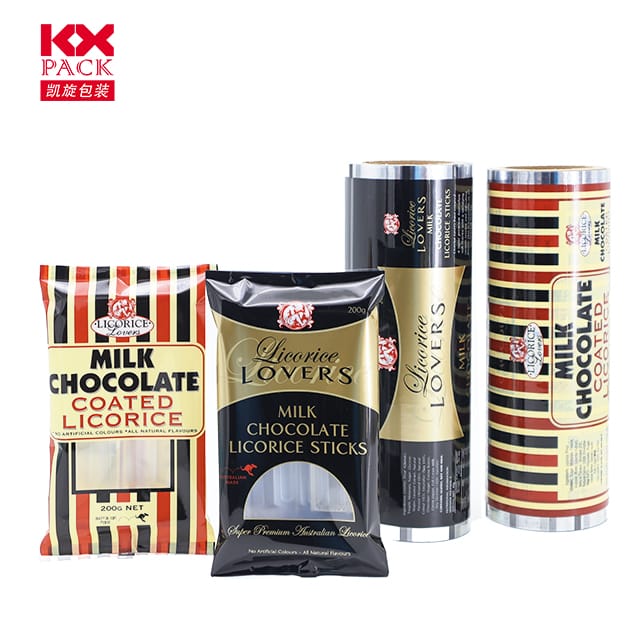
- Envasos d'aliments, butllofes farmacèutiques, i les caixes de productes de luxe utilitzen pel·lícules laminats per a la protecció i la marca.
- Impressió i edició:
- Targetes de visita, fullets, i les revistes estan laminats per resistir vessaments i llàgrimes.
- Electrònica:
- Pantalles tàctils, panells de visualització, i les plaques de circuit es basen en pel·lícules laminades per a l'aïllament i la resistència a les ratllades.
- Automoció:
- Revestiment interior, components del quadre de comandament, i les pel·lícules de finestres utilitzen la laminació per al rebuig de calor i millores estètiques.
- Moda i tèxtils:
- Laminats impermeables a les jaquetes, bosses, i les sabates combinen estil amb funcionalitat.
Escollint la laminació de pel·lícula adequada per al vostre projecte
- Compatibilitat de materials:
- Assegureu-vos que la pel·lícula s'adhereixi bé al vostre substrat (p. ex., El PET funciona millor amb superfícies llises).
- Tipus d'acabat:
- Les pel·lícules brillants milloren la vitalitat del color, mentre que els acabats mat redueixen l'enlluernament i les empremtes dactilars.
- Factors ambientals:
- Opteu per pel·lícules resistents als UV per a ús exterior o recobriments antimicrobians per a entorns sanitaris.
- Sostenibilitat:
- Busqueu pel·lícules reciclables o compostables per alinear-se amb objectius ecològics.
Tendències en laminació de pel·lícules
- Laminats intel·ligents: Pel·lícules amb sensors integrats o tecnologia RFID per al seguiment i autenticació.
- Nano-recobriments: Capes ultra fines que repel·leixen l'aigua, oli, i brutícia a nivell microscòpic.
- Textures personalitzables: Des de tacte suau fins a acabats en relleu, atendre els mercats de luxe.
Conclusió
La laminació de pel·lícules és una eina poderosa per a empreses i creatius que busquen protegir i elevar els seus productes. Tant si esteu dissenyant un envàs atractiu, senyalització duradora, o electrònica d'alta tecnologia, la pel·lícula de laminació adequada pot marcar la diferència. Entenent el procés, beneficis, i aplicacions, podeu desbloquejar noves possibilitats d'innovació i qualitat.
Preparat per explorar la laminació de pel·lícules per al vostre proper projecte? Comparteix les teves preguntes o experiències als comentaris següents; ens agradaria saber de tu! 📦✨