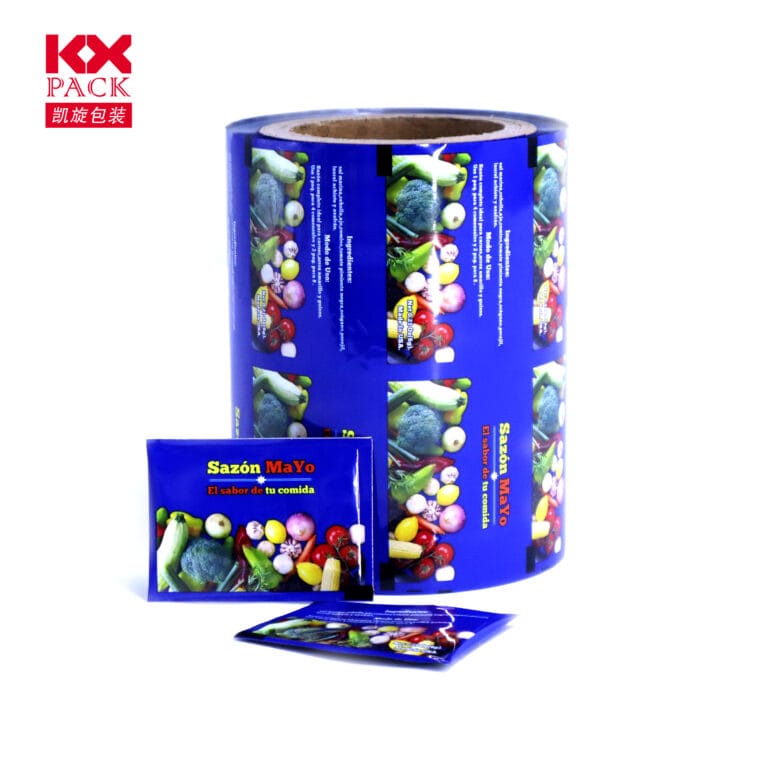
El futur de la preservació dels aliments: Com les pel·lícules d’envasos d’aliments flexibles revolucionen la indústria
Flexible Food Packaging Films
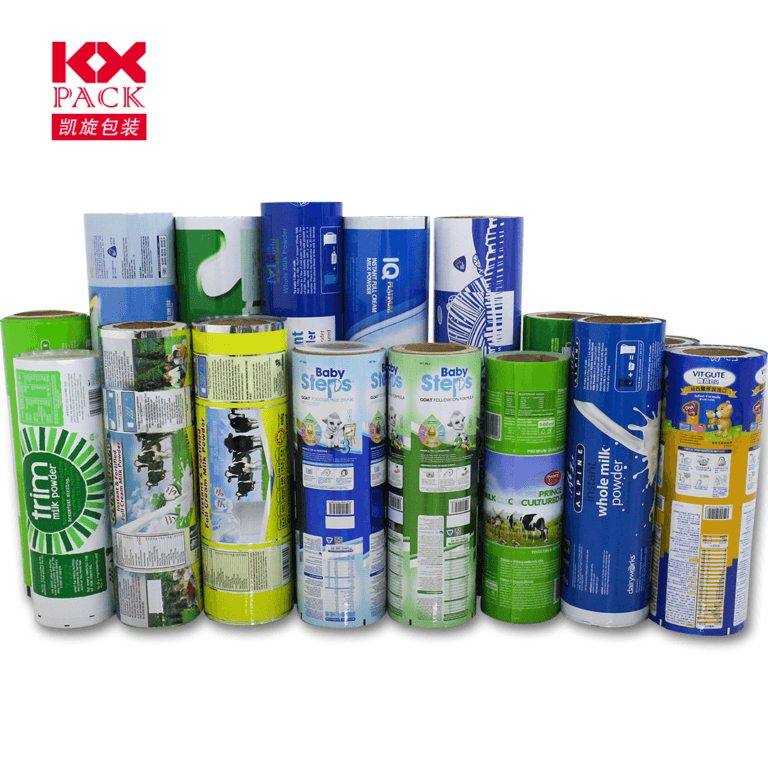
En una època on la sostenibilitat, seguretat alimentària, I la comoditat és primordial, Flexible Food Packaging Films have emerged as a game-changer for the global food and beverage industry. Aquests lleugers, Els materials adaptables estan redefinint com es protegeixen els productes, presentada, i conservat: des de la granja fins a la taula. Let’s explore the innovations driving this trend and why they’re critical for modern consumers and manufacturers.
Why Flexible Food Packaging Films? The Core Advantages
- Protecció de Barreres, Vida útil estesa
Flexible Food Packaging Films are engineered with multi-layer structures that create impermeable barriers against oxygen, humitat, llum, i contaminants. Per exemple, PVDC-coated films o metallized PET layers can reduce oxygen transmission by up to 99%, preserving freshness and flavor in snacks, carns, and dairy. Studies suggest that advanced packaging could cut global food waste by 30% by 2030—a critical step toward sustainability. - Lightweight and Eco-Friendly
Compared to rigid packaging (P., pots de vidre o llaunes metàl·liques), Flexible Food Packaging Films utilitzar 70% less material by weight, lowering transportation emissions and storage costs. Innovacions com biodegradable PLA films i recyclable PE/PP blends are further reducing plastic’s environmental footprint, aligning with global zero-waste goals. - Customization and Versatility
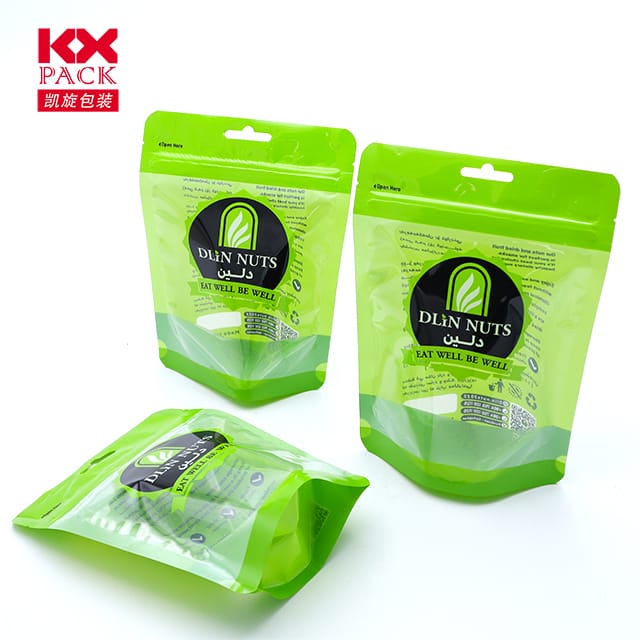
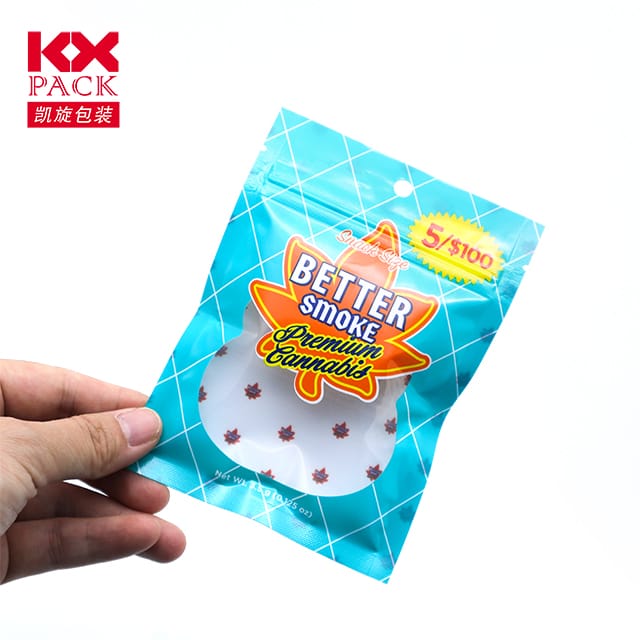
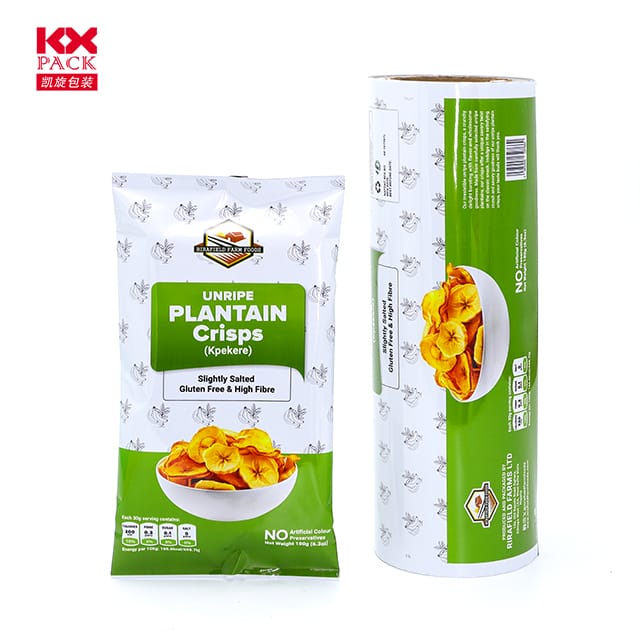
Des de Bosses de peu for pet food to retort-ready bags per menjars preparats, flexible films adapt to any product shape or size. Brands can leverage Impressió digital for vibrant, on-demand packaging designs, enhancing shelf appeal and brand storytelling.
Key Innovations Shaping the Market
- Smart Films for Enhanced Safety
Modern Flexible Food Packaging Films incorporates anti-fog coatings (for clear visibility in refrigerated sections), self-venting technologies (for microwave-safe meals), i UV-blocking layers (to protect light-sensitive products like oils or supplements). Per exemple, Films Bopp with low seal initiation temperatures (SIT) boost production efficiency by 20% for snack manufacturers. - Sustainability-Driven Materials
The market is shifting toward pel·lícules compostables (P., corn-starch-based PLA) i reciclat postconsum (PCR) contingut. Empreses com Glenroy i Winpak són pioners estructures monomaterials (P., Bosses All-Pe) per simplificar el reciclatge. Per 2028, the global flexible packaging market is projected to reach $341.6 bilió, fueled by eco-conscious demand. - Advanced Adhesives and Sealing
Nou solvent-free laminations i high-performance sealants ensure leak-proof packaging even for liquid products like soups or sauces. These innovations also reduce production waste and energy use.
Aplicacions a les indústries
- Producte fresc: Breathable films with modified atmosphere packaging (MAPA) extend the shelf life of berries and leafy greens by 2–3 times.
- Menjars llestos: Retort pouches withstand high-temperature sterilization, eliminating preservatives while maintaining texture and taste.
- Farmacèutics: Child-resistant, moisture-barrier films ensure safe storage of pills and supplements.
- Cosmètics: Flexible tubes and sachets offer precise dispensing and protection from contamination.
El camí que hi ha a davant: Trends for 2025 i Més enllà
- Integració de l’economia circular
Les marques estan adoptant closed-loop systems, where used packaging is collected, reciclat, and repurposed into new films. Partnerships between manufacturers and recycling firms will be key to scaling this model. - Embalatge actiu i intel·ligent
Imagine films that change color when food spoils or release natural preservatives over time. Early prototypes using Indicadors de temperatura del temps (TTIs) i depuradors d'oxigen are already in testing. - Compliment regulatori
As governments tighten rules on single-use plastics, flexible films must meet FDA and EU food-contact standards while minimizing chemical migration. Transparent supply chains and material traceability will become non-negotiable.
Conclusió: Un futur flexible
Flexible food packaging films are no longer just a cost-effective alternative—they’re a strategic imperative for brands aiming to thrive in a competitive, sustainability-focused market. By combining cutting-edge materials with smart design, these solutions address today’s challenges while paving the way for a safer, greener tomorrow.
Ready to upgrade your packaging strategy? Explore how flexible films can transform your product’s performance, sostenibilitat, i l'atractiu del consumidor. The future of food preservation is flexible—and it’s here to stay. 🌱✨
Referències: Associació d'Embalatge Flexible, Global Market Insights, PennPac, TedPack