Explorant el món divers dels tipus de pel·lícules envasos flexibles: Una guia completa
Tipus de film d'embalatge flexible
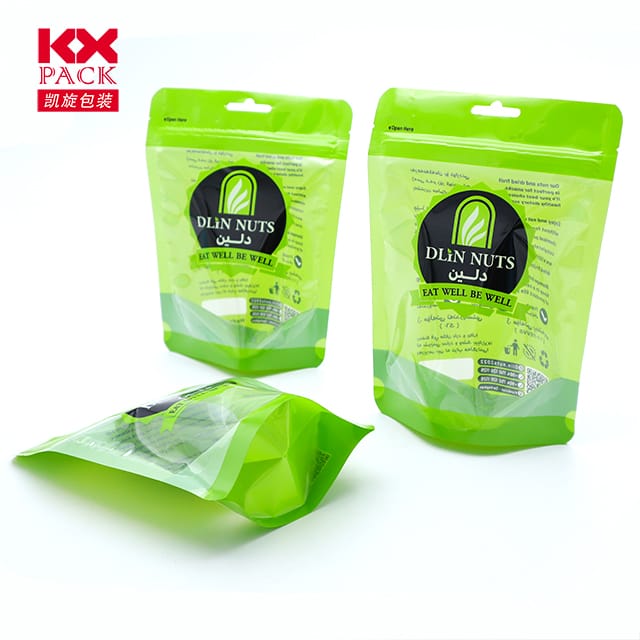
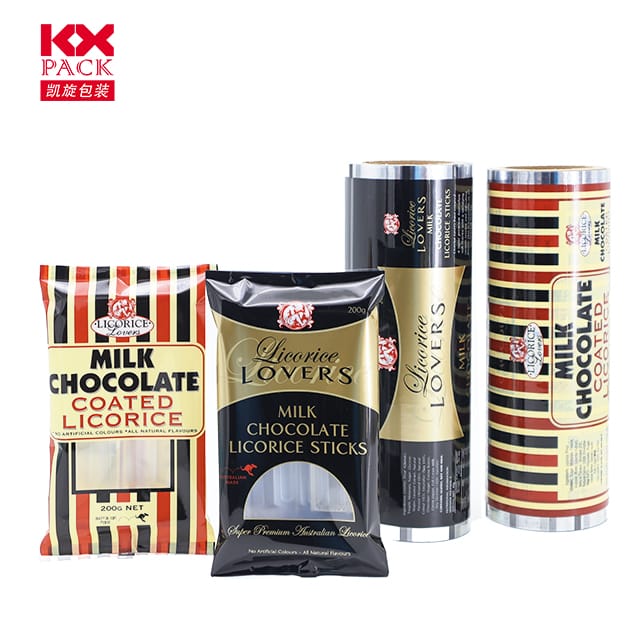
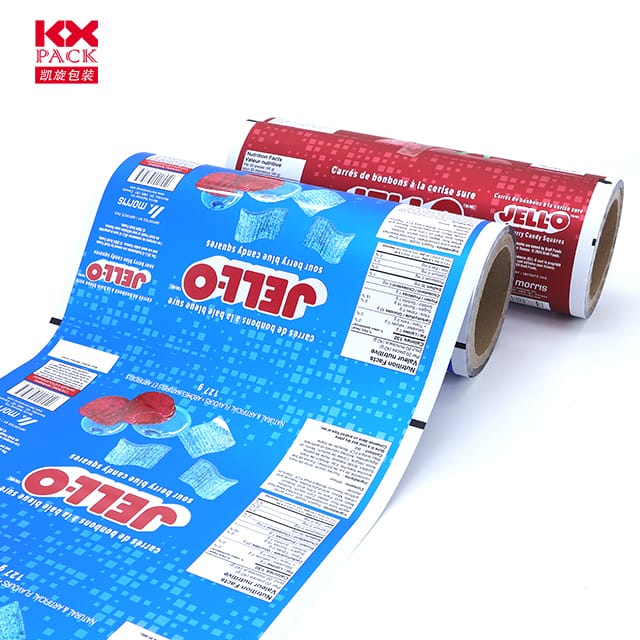
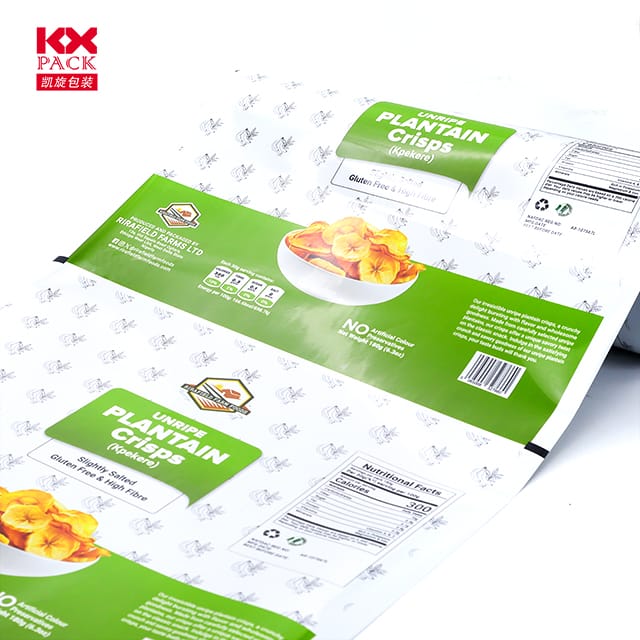
Al mercat de consum ràpid d’avui, films d'embalatge flexible s'han convertit en indispensables per conservar la frescor, allargant la vida útil, i millorar la crida del producte. Des de berenars i begudes fins a productes farmacèutics i electrònica, Aquests materials versàtils s’adapten a innombrables aplicacions. Però amb tantes opcions disponibles, Com trieu el tipus adequat per a les vostres necessitats? Endinsem-nos en el més habitualtipus de pel·lícules d'embalatge flexible, les seves propietats, i casos d'ús ideals.
1. Polietilè (PE) Pel·lícules: El campió de tots els propòsits
El polietilè és un dels materials més utilitzats en envasos flexibles per la seva assequibilitat, flexibilitat, i resistència a la humitat. Es presenta en tres variants principals:
- Polietilè de baixa densitat (LDPE): Suau i transparent, El LDPE és perfecte per a bosses d'aliments, embolcall retràctil, i envasos lleugers.
- Polietilè d'alta densitat (HDPE): Més fort i més rígid, L'HDPE és ideal per a aplicacions resistents com les bosses de queviures, bosses de detergent, i revestiments industrials.(Tipus de film d'embalatge flexible)
- Polietilè lineal de baixa densitat (LLDPE): Combina el millor dels dos mons amb una resistència a la punxada i una extensibilitat millorades, fent-lo ideal per a aliments congelats i pel·lícules agrícoles.
El millor per: Béns de consum quotidià, producte fresc, i productes sensibles a la humitat.
2. Polipropilè (PP) Pel·lícules: Claredat i força combinades
Les pel·lícules de polipropilè són conegudes per la seva excel·lent claredat òptica, resistència a la calor, i propietats de barrera. Es presenten en dues formes principals:
- Polipropilè orientat biaxialment (BOPP): Aquest estirable, La pel·lícula brillant és la millor opció per envasar aperitius, etiquetes, i laminats per la seva alta resistència a la tracció i imprimibilitat.
- Polipropilè fos (CPP): Més suau i més termosellable que BOPP, El CPP s'utilitza sovint en embolcalls d'aliments, embalatge mèdic, i recobriments tèxtils.
El millor per: Embalatge d'alta visibilitat, aliments aptes per microones, i productes que requereixen un aspecte premium.
3. Polièster (PET) Pel·lícules: Durador i millorat amb barreres
Pel·lícules de polièster, particularmentTereftalat de polietilè orientat biaxialment (Anar amb compte), ofereixen una força excepcional, resistència química, i propietats de barrera de gas. Sovint es laminen amb altres materials per crear estructures multicapa.
Característiques clau:
- Alta resistència a la tracció
- Resistència als olis, àcids, i llum UV
- Excel·lent barrera d'oxigen i humitat quan es combina amb recobriments o paper d'alumini
El millor per: Ampolles de begudes, envasos de cafè, electrònica, i farmacèutics.
4. Poliamida (Niló) Pel·lícules: La flexibilitat es troba amb la resistència a la punxada
Pel·lícules de poliamida, tal comniló 6 o niló 6,6, són apreciats per la seva duresa i capacitat per suportar flexions repetides sense trencar-se. S'utilitzen sovint en envasos al buit i bosses de rèplica (per a aliments esterilitzats).
Característiques clau:
- Alta resistència a la punxada
- Excel·lents propietats de barrera a l'oxigen
- Resistent a la calor per a processos de rèplica
El millor per: Embalatge de carn, formatge, àpats preparats per menjar, i dispositius mèdics.
5. Laminats de paper d'alumini: Protecció de barrera definitiva
Quan la màxima protecció contra la llum, oxigen, i cal humitat, el paper d'alumini està laminat amb altres pel·lícules (p. ex., PE, PET, o PP). Això crea una barrera lleugera però impermeable.
Característiques clau:
- 100% opacitat (bloqueja la llum)
- Barrera superior de gas i aroma
- Segellable amb calor per a envasos hermètics
El millor per: Cafè, espècies, productes farmacèutics, i electrònica sensible.
6. Pel·lícules biodegradables i compostables: Alternatives ecològiques
Amb la sostenibilitat en el focus, pel·lícules biodegradables fetes deàcid polilàctic (PLA), barreges de midó, omaterials a base de cel·lulosa estan guanyant força. Aquestes pel·lícules es descomponen de manera natural en condicions específiques, reduir els residus plàstics.
Consideracions clau:
- Comproveu els estàndards de certificació (p. ex., D'acord, compost, ASTM D6400).
- El rendiment pot variar en termes de resistència i propietats de barrera.
El millor per: Embalatge d'un sol ús, aliments ecològics, i marques ecològiques.
Com triar la pel·lícula d'embalatge flexible adequada
- Avaluar les necessitats del producte: Considereu factors com la vida útil, sensibilitat a la llum/oxigen, i la durabilitat requerida.
- Avaluar els objectius ambientals: Optar pel reciclable, biodegradable, o opcions compostables si la sostenibilitat és una prioritat.
- Revisar els processos de fabricació: Algunes pel·lícules requereixen equips especialitzats per al segellat o la impressió.
- Prova de rendiment: Feu proves per assegurar-vos que la pel·lícula compleix els vostres estàndards de qualitat en condicions reals.
Pensaments finals
El món detipus de pel·lícules d'embalatge flexible és vast, però entendre els punts forts de cada material us pot ajudar a prendre decisions informades que equilibrin els costos, realització, i sostenibilitat. Tant si envaseu un aperitiu cruixent com un dispositiu mèdic delicat, hi ha una pel·lícula dissenyada per satisfer exactament els vostres requisits.
Quin és el vostre major repte a l'hora de seleccionar pel·lícules d'embalatge?? Comparteix els teus pensaments als comentaris a continuació! 🌍📦
Paraules clau: tipus de pel·lícules d'embalatge flexible, pel·lícula de polietilè, pel·lícula de polipropilè, Pel·lícula PET, envasos biodegradables