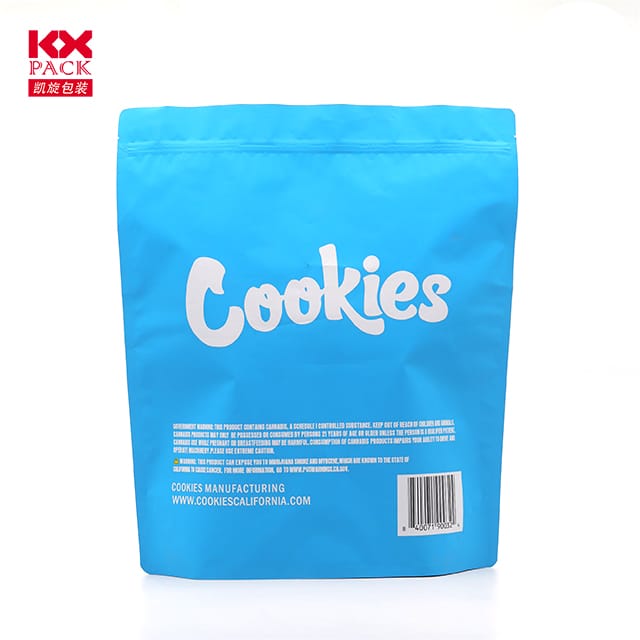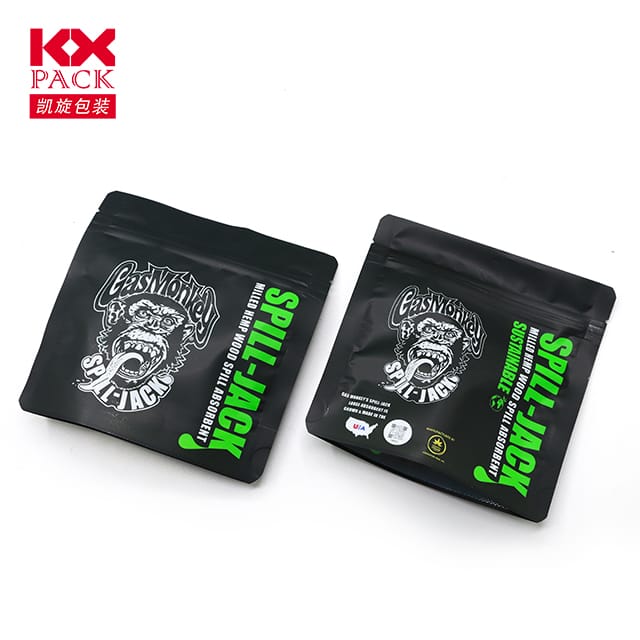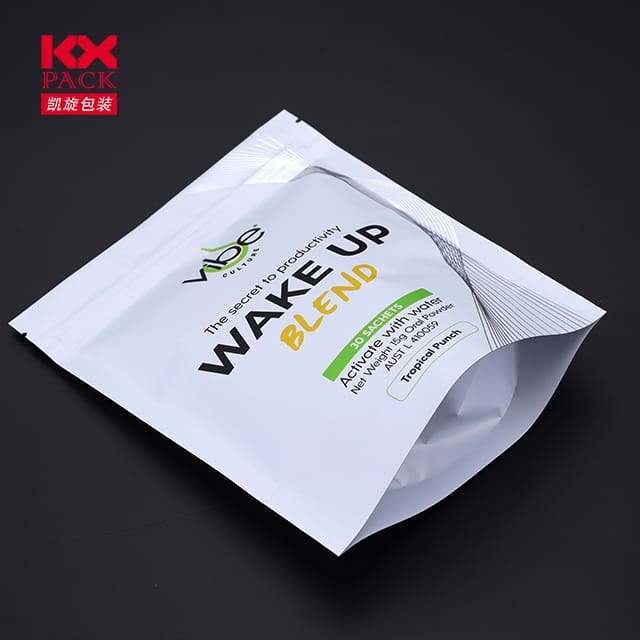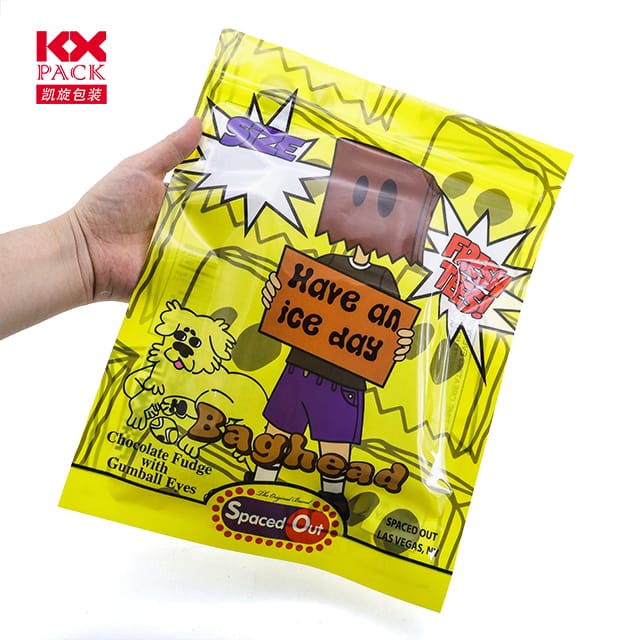
Lamination Film

探索层压薄膜的世界: 从功能到应用(5)

复合膜

In the realm of packaging, 印刷, 和工业制造, lamination film stands as a cornerstone material, 提供保护, 增强, 以及跨行业的多功能性. 是否保护敏感文件, 提高产品的货架吸引力, 或优化电气元件, 覆膜发挥着举足轻重的作用. 让我们深入探讨一下它的意义, 类型, 和应用.

What is Lamination Film?

Lamination film is a thin, flexible material—often composed of polymers like polyester (宠物), 聚丙烯 (聚丙烯), or PVC—used to bond layers together or coat surfaces. Its primary purpose is to protect against moisture, UV rays, abrasion, and chemical exposure while enhancing durability, 美学, or functionality. The process involves applying heat, 压力, or adhesive to adhere the film to a substrate, creating a sealed, unified composite.

Types of Lamination Films

  1. 宠物 (聚对苯二甲酸乙二醇酯) 电影:
    • Known for their transparency, strength, and heat resistance, PET films are widely used in packaging, labels, and electronics.
    • Variants include PET transparent, holographic, 和 metallized 电影, catering to security, decorative, and barrier applications.
  2. 双向拉伸聚丙烯 (双向拉伸聚丙烯) 电影:
    • Offering high clarity and moisture resistance, BOPP films are popular in food packaging, book covers, and advertising displays.
    • Subtypes like glossymatte provide aesthetic flexibility.
  3. PVC Films:
    • PVC’s flexibility and cost-effectiveness make it ideal for indoor signage, banners, and short-term outdoor applications.
    • Cold lamination films, a subset of PVC, eliminate the need for heat, simplifying DIY projects.
  4. 特种薄膜:
    • Anti-reflective, anti-graffiti, 或者 UV-blocking films serve niche markets like architecture, automotive, and optics.

Key Applications

  1. 包装:
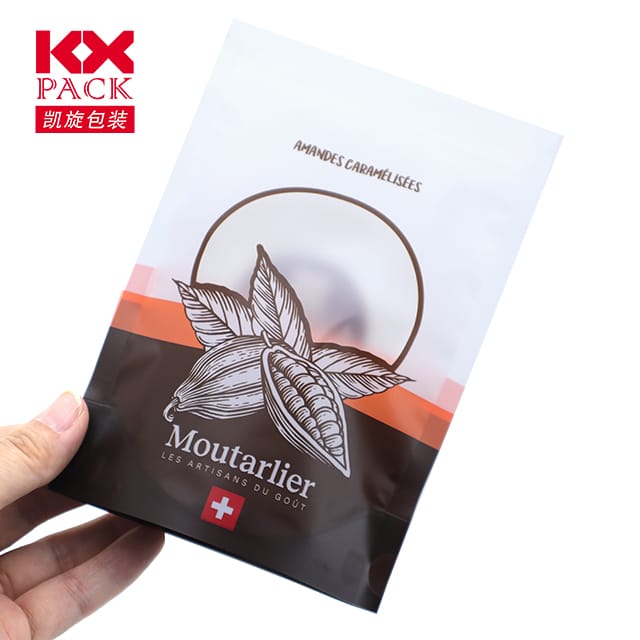
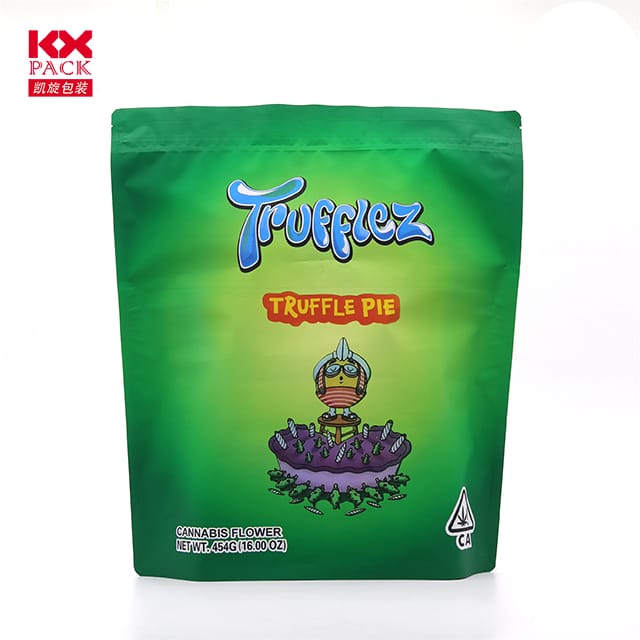
    • Lamination films extend the shelf life of food, 药品, and consumer goods by preventing oxygen and moisture ingress.
    • Metallized films add a premium finish to luxury packaging, while barrier films protect sensitive electronics.
  2. 印刷 & Graphics:
    • Photographic prints, posters, and menus benefit from lamination’s scratch resistance and color enhancement.
    • Cold lamination films are favored for on-demand printing, requiring no specialized equipment.
  3. Industrial & Electrical:
    • In transformers and motors, thin silicon steel sheets laminated with insulating films reduce eddy current losses, improving efficiency.
    • Composite membranes in water purification or battery separators leverage lamination technology for precision engineering.
  4. Textiles & Apparel:
    • Layering fabrics with polyurethane or PTFE films creates waterproof, breathable materials used in outdoor gear and medical textiles.

创新 & 趋势

  • 可持续发展: Biodegradable films and recyclable laminates are gaining traction as brands prioritize eco-friendly solutions.
  • Smart Films: Thermochromic or photochromic laminates respond to environmental stimuli, opening doors for interactive packaging.
  • Nano-Layering: Advanced techniques enable ultra-thin, high-performance films for electronics and aerospace applications.

Challenges & Considerations

  • Adhesion & Compatibility: Selecting the right film-substrate combination is critical to avoid delamination or reduced performance.
  • 成本与. 表现: High-end films like PET or metallized variants may inflate production costs, requiring careful ROI analysis.
  • 监管合规性: Industries like food and pharmaceuticals demand films that meet stringent safety and hygiene standards.

结论

Lamination film is more than a protective layer—it’s a catalyst for innovation, enabling industries to push boundaries in durability, 美学, 和功能. As technology evolves, so too will the applications of lamination, from sustainable packaging to smart materials. Whether you’re a manufacturer, designer, 或消费者, understanding lamination film’s role can empower smarter choices in a world where first impressions and longevity matter.

What’s your experience with lamination film? Share your thoughts in the comments below! 📦✨

类似文章

发表回复