The Evolution and Innovation of Food Packaging Film Rolls: A Deep Dive into Modern Food Safety Solutions
Food Packaging Film Rolls
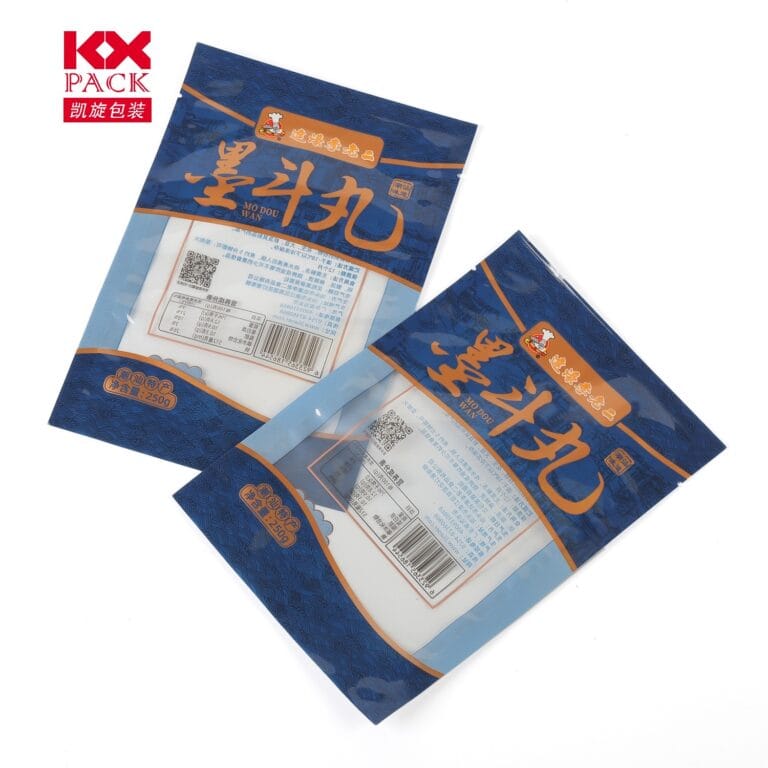
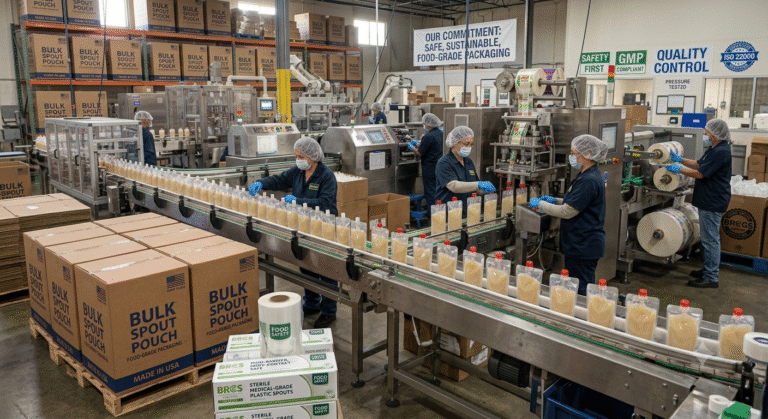
In the bustling world of food production and distribution, food packaging film rolls have emerged as unsung heroes, quietly safeguarding products from farm to fork. These flexible, high-performance materials are not just about aesthetics—they are critical to maintaining food quality, 延长保质期, and ensuring consumer safety. Let’s unpack the science, trends, and future potential of this essential packaging component.
1. The Science Behind the Roll: Materials and Technology
Modern Food Packaging Film Rolls are engineered marvels, often composed of multi-layered structures combining polymers like 宠物 (聚对苯二甲酸乙二醇酯), 聚乙烯醇 (聚乙烯), PA (Nylon), and EVOH (Ethylene-Vinyl Alcohol Copolymer). Each layer serves a purpose:
- Barrier Layers (乙烯醇, PA): Block oxygen, 水分, and aromas, preserving freshness.
- Sealant Layers (聚乙烯醇, CPP): Ensure leak-proof closures and heat resistance.
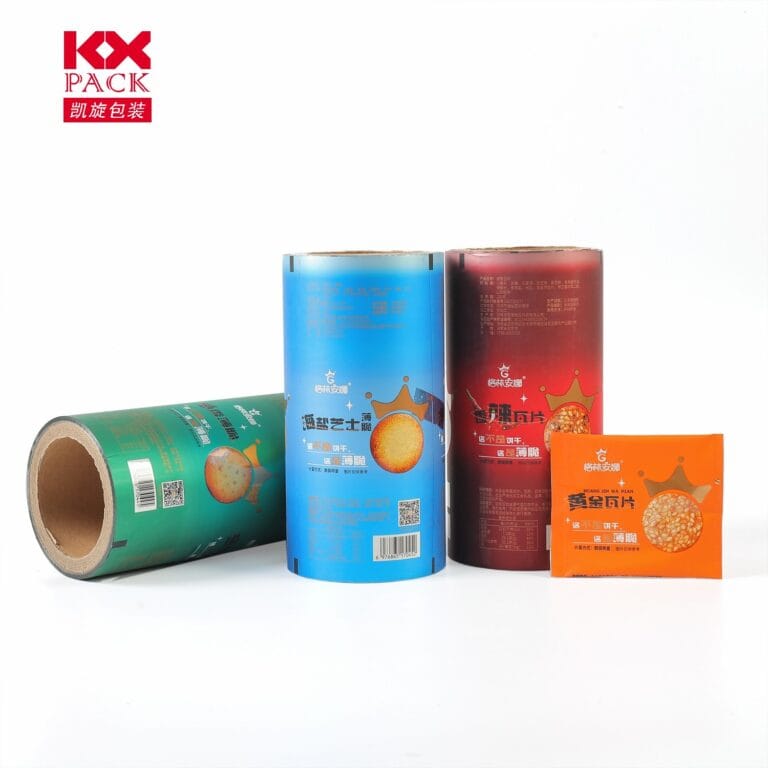
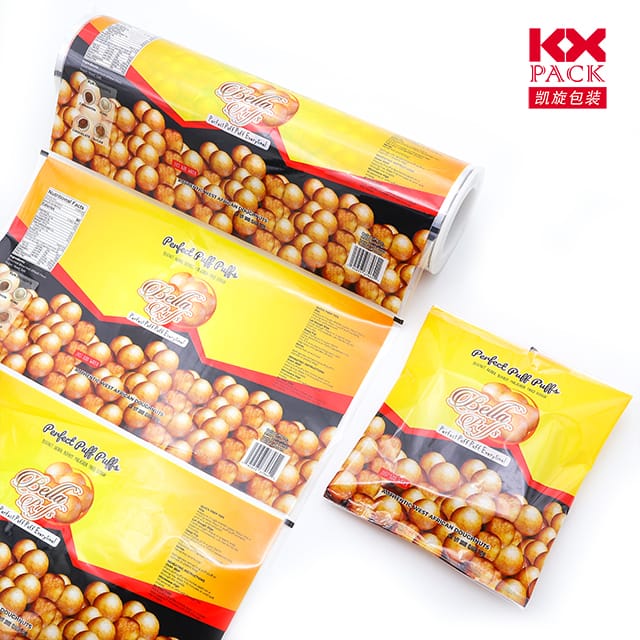
- Printable Layers (宠物, 双向拉伸聚丙烯): Enable vibrant graphics and branding.
Advanced Food Packaging Film Rolls manufacturing techniques, 例如 co-extrusion and lamination, allow these layers to bond seamlessly, creating films that are both durable and functional. 例如, a typical roll might feature a PET/AL/NY/LDPE structure, offering high barrier properties and puncture resistance—ideal for snacks, coffee, or frozen foods.
2. 可持续发展: From Waste to Renewable Solutions
The global push for sustainability has reshaped the food packaging industry. 传统塑料薄膜, 同时有效, contribute to environmental pollution. Enterbiodegradable and compostable films, made from materials like解放军 (聚乳酸), 淀粉混合物, 或纤维素. These films decompose naturally, reducing landfill burden.
Another innovation isrecyclable mono-material structures, such as all-PE or all-PP films, which simplify recycling processes. 例如, 一个cold-laminated PET/PE film roll can be recycled into new packaging, closing the loop on waste. 品牌如Kanghui in China now offer eco-friendly options withgravure printing up to 10 颜色, proving that sustainability doesn’t mean sacrificing visual appeal.
3. 智能包装: The Next Frontier
The future of food packaging film rolls lies insmart technologies that enhance safety and consumer experience. Imagine a film embedded withtime-temperature indicators (TTI), which change color if food is exposed to unsafe temperatures during transit. Or agas-scavenging film that absorbs ethylene (a ripening hormone) from fresh produce, extending shelf life by days.
Innovations likemicro-perforated films allow controlled gas exchange, optimizing the atmosphere inside the package. 例如, 一个flexible micro-perforated bag can keep strawberries fresh for up to 14 days—a game-changer for perishable goods.
4. Global Market Trends and Challenges
The global food packaging film market is booming, projected to reach$51.9 billion by 2030 (CAGR 6.4%). Key drivers include:
- Rising demand for convenience foods (例如, 零食, ready meals).
- Stringent food safety regulations pushing for better barrier materials.
- E-commerce growth, necessitating durable, tamper-evident packaging.
然而, challenges persist.Fluctuating raw material costs (linked to oil prices) 和regulatory hurdles (例如, EU bans on single-use plastics) demand innovation. Companies are responding by investing in右&D for alternative materials 和lightweighting to reduce plastic use without compromising performance.
5. Case Study: A Roll for Every Need
TakeZhejiang Kanghui’s flexible film rolls, which cater to diverse applications:
- Snack Packaging: High-barrier PET/PE films with anti-fog properties to keep chips crisp.
- 冷冻食品: Heavy-duty PA/PE films resistant to cold temperatures and freezer burn.
- 药品: Sterilizable, medical-grade films for sensitive products.
TheirOEM services allow brands to customize thickness, print designs, and even add functional additives like抗菌剂 (例如, silver-ion coatings) for extended freshness.
结论: The Roll That Keeps Rolling
Food packaging film rolls are more than just rolls of plastic—they are a testament to human ingenuity in balancing safety, 可持续性, and convenience. As technology advances, these films will become smarter, greener, and more versatile, adapting to the evolving needs of consumers and the planet.
所以, the next time you tear open a bag of chips or unwrap a frozen meal, take a moment to appreciate the roll of film that made it all possible. After all, great packaging is often invisible—until you need it.
What innovations would you like to see in food packaging film rolls? 在下面分享您的想法! 🌱🍃📦