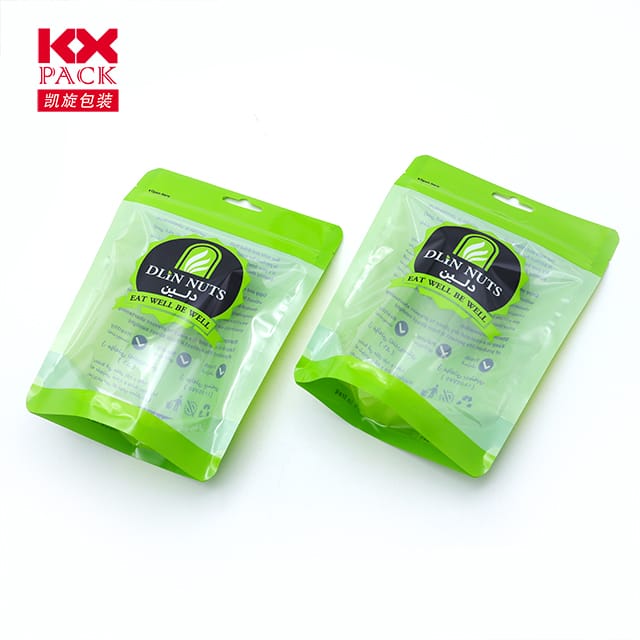
Food Film Wrap

食品包装中柔性薄膜的演变和影响: A Sustainable Revolution(3)

柔性薄膜

在当今快节奏的世界, food packaging is no longer just about containment—it’s a science that balances preservation, convenience, 和可持续性. Among the innovations driving this transformation柔性薄膜 have emerged as a game-changer in food packaging. Lightweight, 多才多艺的, and adaptable, these materials are reshaping how we protect, 运输, and consume food. Let’s dive into why flexible films are revolutionizing the industry and what their future holds.

什么是柔性薄膜?

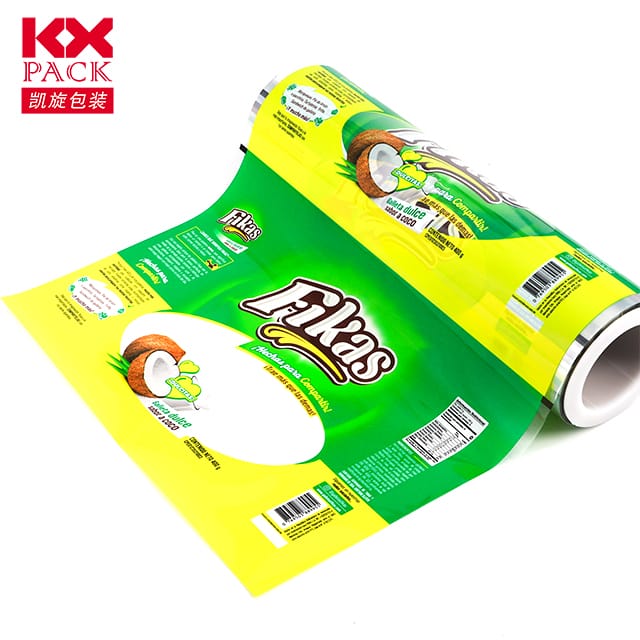
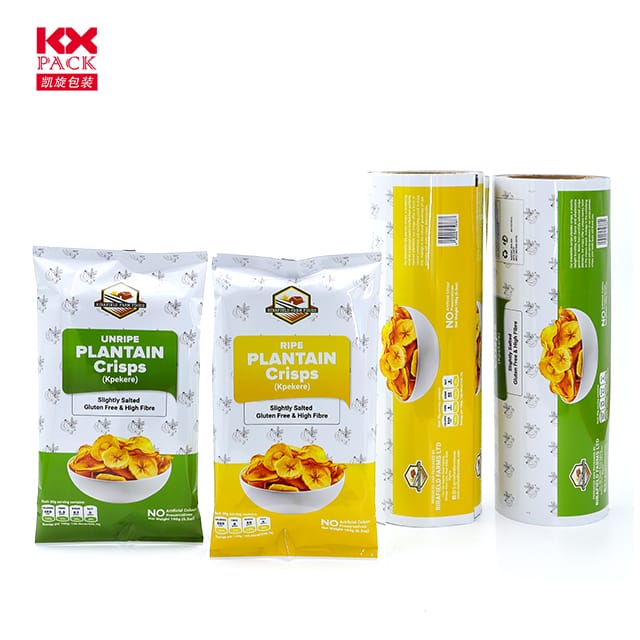
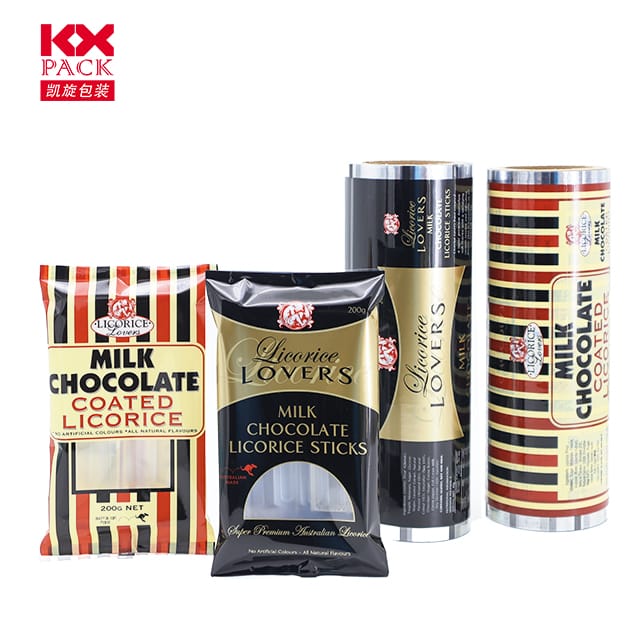
Flexible films are thin, pliable materials made from polymers like polyethylene (聚乙烯醇), 聚丙烯 (聚丙烯), 聚酯纤维 (宠物), and biodegradable alternatives such as PLA (聚乳酸). These films can be laminated, coated, or printed to create packaging solutions tailored for specific food products—from snacks and fresh produce to frozen meals and beverages.

Their key advantagesLightweight construction reduces shipping emissionscustomizable barrier properties extend shelf life, 和flexibility allows for efficient use of space in packaging designs.

Why Are Flexible Films Dominating Food Packaging?

  1. Enhanced Shelf Life
    Flexible films can be engineered with oxygen, 水分, and light barriers to prevent spoilage. 例如, high-barrier laminates keep coffee fresh, while modified atmosphere packaging (地图) films extend the shelf life of meat and cheese.
  2. Sustainability Gains
    Traditional rigid packaging often uses more material and generates higher waste. Flexible films, by contrast, require fewer resources to produce and transport. 此外, advancements in recyclable and compostable films (例如, bio-based PLA or mono-material PE structures) are reducing plastic pollution.
  3. 方便 & 创新
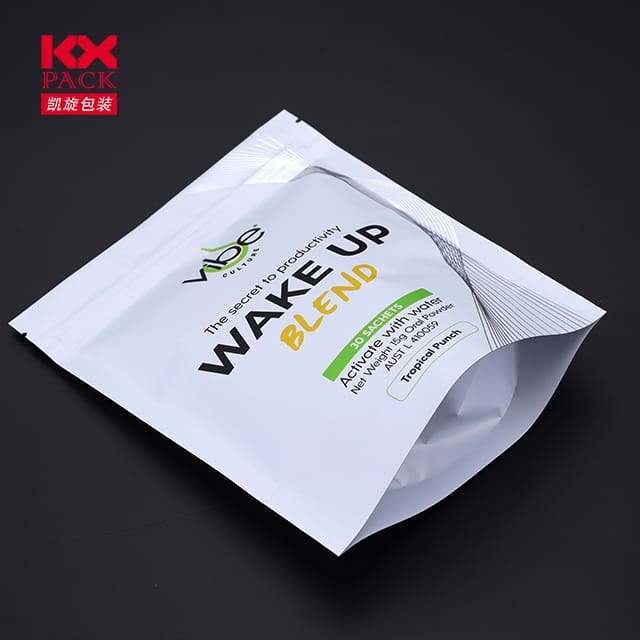
    Resealable zippers, easy-tear openings, and stand-up pouches make flexible packaging consumer-friendly. Brands like snack companies and ready-meal producers leverage these features to enhance user experience.
  4. Cost Efficiency
    Lighter materials mean lower shipping costs, and the ability to form-fill-seal (FFS) on high-speed machinery boosts production efficiency.

Challenges & 未来之路

尽管有它们的好处, 柔性薄膜面临障碍:

  • Recyclability Complexity: Multi-layer laminates (例如, 聚酯/铝/聚乙烯) are hard to recycle.
  • Consumer Perception: Some still associate plastics with waste, even if innovations like chemical recycling or compostable films exist.

Solutions on the Horizon:

  • Mono-Material Structures: Using a single polymer type (例如, all-PE pouches) improves recyclability.
  • 可生物降解薄膜: Made from renewable resources, these break down naturally, though scalability remains a challenge.
  • 智能包装: Integrating sensors or QR codes into films to track freshness and reduce waste.

The Future is Flexible

The global flexible packaging market is projected to reach$250 十亿 2028, driven by e-commerce growth and sustainability mandates. Brands are increasingly prioritizingcircular design—creating packaging that’s recyclable, reusable, or compostable by design.

As consumers demand eco-friendly options without sacrificing convenience, flexible films will play a pivotal role in bridging the gap. The next frontier? Innovations likeedible films (made from seaweed or starch) 或者self-healing materials that further minimize waste.

结论

Flexible films are more than just packaging—they’re a testament to human ingenuity in solving modern challenges. By balancing functionality, 可持续性, and affordability, they’re not just protecting food but also our planet. 随着技术的进步, one thing is clear: the future of food packaging is flexible, and it’s here to stay.

What’s your take on flexible films? Share your thoughts in the comments below! 🌱🍱

关键词: 柔性薄膜, 食品包装, 可持续性, 保质期, 可生物降解, 可回收的, circular economy

类似文章

发表回复