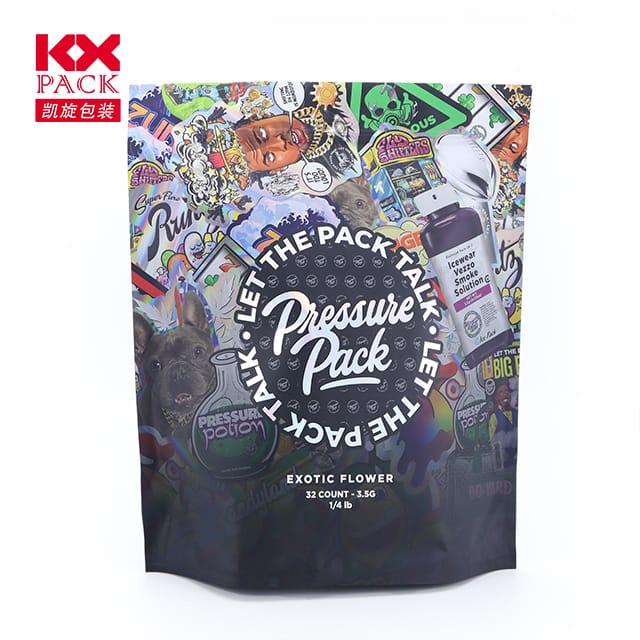
Vai trò và sự đổi mới của màng bao bì nhựa trong ngành công nghiệp hiện đại(5
Phim bao bì nhựa
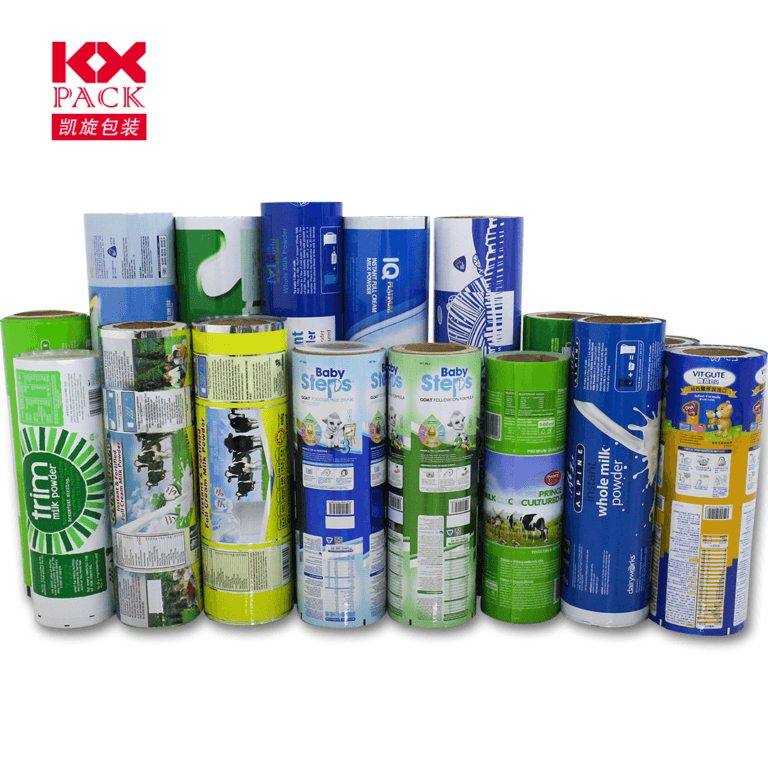
In today’s fast-paced consumer world, plastic packaging films are ubiquitous yet often overlooked. Từ bảo vệ sản phẩm tươi sống đến bảo quản đồ điện tử, những cái này mỏng, vật liệu linh hoạt đóng một vai trò quan trọng trong việc bảo vệ sản phẩm, kéo dài thời hạn sử dụng, và giảm chất thải. Tuy nhiên, khi mối quan tâm về môi trường ngày càng gia tăng, ngành đang phát triển để cân bằng chức năng với tính bền vững. Let’s explore the science, ứng dụng, and future of plastic packaging films.
What Are Plastic Packaging Films?
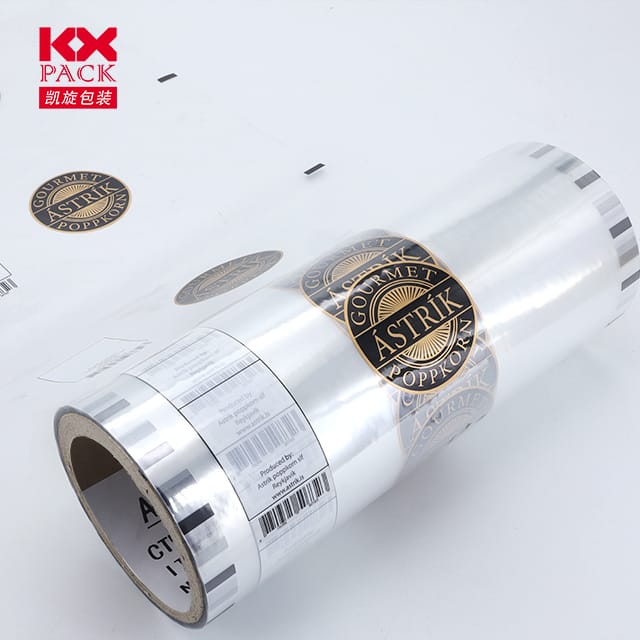
Plastic packaging films are lightweight, versatile materials made from polymers such as polyethylene (Thể dục), Polypropylen (PP), polyvinyl clorua (PVC), hoặc polyester (THÚ CƯNG). They can be transparent or opaque, single-layered or multi-layered, and engineered with additives for specific properties like UV resistance, moisture barriers, or anti-static coatings.
Các đặc điểm chính bao gồm:
- Flexibility: Adapts to irregular shapes (VÍ DỤ., wrapping fresh meat or confectionery).
- Thuộc tính rào cản: Prevents oxygen, hơi nước, or odors from compromising products.
- Hiệu quả chi phí: Cheaper to produce and transport than rigid packaging.
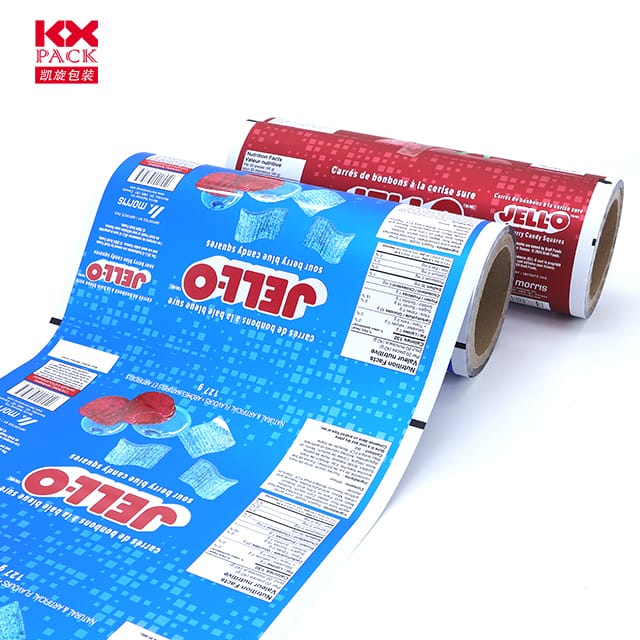
- Khả năng in: Supports branding with high-quality graphics.
Common Applications Across Industries
- Đồ ăn & nước giải khát
- Sản phẩm tươi sống: Stretch films maintain freshness by reducing air exposure.
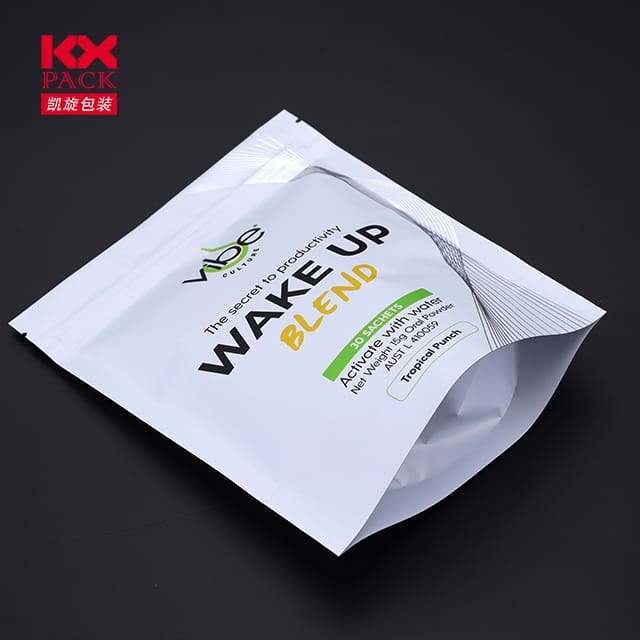
- Đồ ăn nhẹ: Laminated films with aluminum layers block light and oxygen to prevent rancidity.
- Ready-to-eat meals: High-barrier films protect against contamination and extend shelf life.
- Dược phẩm
- Vỉ thuốc: Thermoformed films ensure tamper-evidence and precise dosage control.
- Medical devices: Sterile packaging films meet stringent hygiene standards.
- Hàng tiêu dùng
- Điện tử: Anti-static films shield delicate components from electrostatic discharge.
- Mỹ phẩm: Multi-layered films combine moisture resistance with luxurious aesthetics.
- Công nghiệp
- Bọc pallet: Stretch films secure goods during transit, reducing damage risks.
- Sự thi công: Protective films shield surfaces like glass or metal from scratches.
Những thách thức và giải pháp môi trường
Trong khi màng nhựa mang lại những lợi ích không thể phủ nhận, their single-use nature has raised alarms about pollution and landfill waste. The industry is responding with innovative solutions:
- Phim phân hủy sinh học và có thể phân hủy
- Được làm từ polyme có nguồn gốc thực vật (VÍ DỤ., Axit polylactic, or PLA), những màng này phân hủy một cách tự nhiên trong những điều kiện cụ thể.
- Ví dụ: PLA films used for fresh salads decompose in industrial composting facilities.
- Phim nội dung tái chế
- Tái chế sau tiêu dùng (PCR) materials reduce reliance on virgin plastics.
- Challenges include maintaining performance while incorporating recycled resins.
- Công nghệ tái chế tiên tiến
- Chemical recycling breaks down plastics into their original monomers for reuse, enabling infinite recycling loops.
- Companies like Eastman and BASF are investing heavily in this space.
- mỏng hơn, Lighter Films
- Down-gauging reduces material use without sacrificing strength.
- Ví dụ: High-performance polyethylene films that are 50% thinner yet stronger than traditional options.
The Future of Plastic Packaging Films
As regulations tighten (VÍ DỤ., Chỉ thị về nhựa dùng một lần của EU), the industry is pivoting towardcircular economy models. Key trends include:
- Phim thông minh: Embedded sensors monitor food freshness or product integrity in real time.
- Phim ăn được: Made from natural ingredients like starch or proteins, these films eliminate waste entirely.
- Hệ thống tái sử dụng: Brands like Loop are trialing durable, refillable containers lined with recyclable films.
Consumer Tips: Making Sustainable Choices
- Look for certifications: Opt for films labeled “compostable” (VÍ DỤ., OK Compost HOME) or “recyclable” (check local facilities).
- Reduce waste: Reuse packaging for storage or crafts before recycling.
- Support brands: Choose companies committed to sustainable packaging innovations.
Phần kết luận: Tạo sự cân bằng
Plastic packaging films are indispensable in modern supply chains, but their environmental impact demands urgent action. Bằng cách sử dụng các vật liệu phân hủy sinh học, recycling innovations, and smarter designs, the industry can protect both products and the planet.
What’s your take on plastic packaging films? Share your thoughts or questions in the comments below—let’s drive the conversation toward a greener future! 🌍📦
Từ khóa: plastic packaging films, bao bì bền vững, màng phân hủy sinh học, Nội dung tái chế, Bao bì thực phẩm, industrial films.