Cách mạng hóa sự tươi mát: Tương lai của bao bì màng thực phẩm ở 2025
Bao bì phim thực phẩm
In an era where sustainability meets innovation, bao bì màng thực phẩm đang trải qua một sự thay đổi mang tính biến đổi. Không còn chỉ là rào cản chống ô nhiễm, màng thực phẩm hiện đại được thiết kế để kéo dài thời hạn sử dụng, giảm thiểu lãng phí, và thậm chí nâng cao trải nghiệm ăn uống—đồng thời giảm thiểu tác động đến môi trường. Let’s explore the cutting-edge trends and technologies reshaping this essential industry.
1. Bao bì thông minh: The Next Frontier in Food Safety
Imagine a Bao bì phim thực phẩm that changes color when food spoils or releases antioxidants to slow degradation. Welcome to the age of smart food packaging!
- Chỉ báo nhiệt độ thời gian (TTI): These labels react to temperature fluctuations, alerting consumers if perishables like meat or dairy have been exposed to unsafe conditions.
- Cảm biến độ tươi: Embedded sensors detect gases (VÍ DỤ., ammonia from spoiled fish) and trigger visual changes, ensuring food safety before consumption.
- Bao bì hoạt động: Bao bì phim thực phẩm infused with natural compounds like rosemary extract or vitamin C actively combat oxidation, keeping fruits and vegetables crisp longer.
Ví dụ: Các công ty thíchHóa chất khí Mitsubishi VàInsignia Technologies are pioneering these solutions, with products already in use for premium seafood and meat packaging.
2. Tính bền vững chiếm vị trí trung tâm
With global plastic waste soaring, the demand for eco-friendly alternatives has never been higher. Đây là cách ngành công nghiệp phản ứng:
- Phim phân hủy sinh học: Được làm từ nguyên liệu thực vật như tinh bột sắn, xenluloza, hoặc tảo, these Bao bì phim thực phẩms decompose naturally within months, unlike traditional plastics.
- Bao bì ăn được: Những đổi mới như seaweed-based wrappers (used by brands like Notpla) hoặc fruit peel-inspired films eliminate waste entirely.
- Nội dung tái chế: Brands are incorporating post-consumer recycled (PCR) plastics into films, giảm sự phụ thuộc vào nguyên liệu thô.
Cảnh báo tiểu bang: The global biodegradable food packaging market is projected to grow at12.8% CAGR bởi vì 2030, driven by consumer demand for greener options.
3. Advanced Barrier Technologies: Keeping Food Fresher, Longer
Hiện đại Bao bì phim thực phẩm are engineered to tackle specific challenges:
- Máy nhặt oxy: Films with built-in oxygen absorbers prevent oxidation, lý tưởng cho đồ ăn nhẹ, cà phê, và các loại hạt.
- Moisture Control: Multi-layer films with hydrophobic coatings protect dry goods like cereals from humidity.
- UV Blocking: For light-sensitive products like beer or oils, films with UV inhibitors maintain quality during storage and transport.
Nghiên cứu điển hình: của Amcor high-barrier laminates for cheese packaging reduce oxygen transmission by 99%, extending shelf life by up to 50%.
4. Customization for Every Need
From single-serve snacks to bulk industrial packaging, tính linh hoạt là chìa khóa:
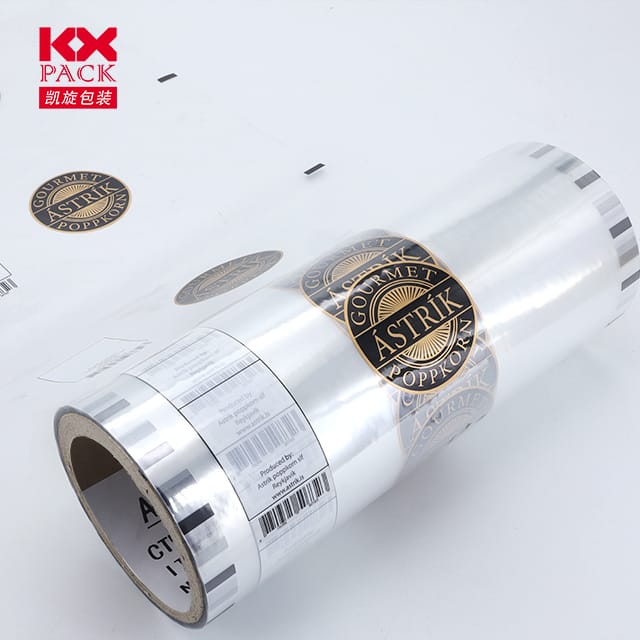
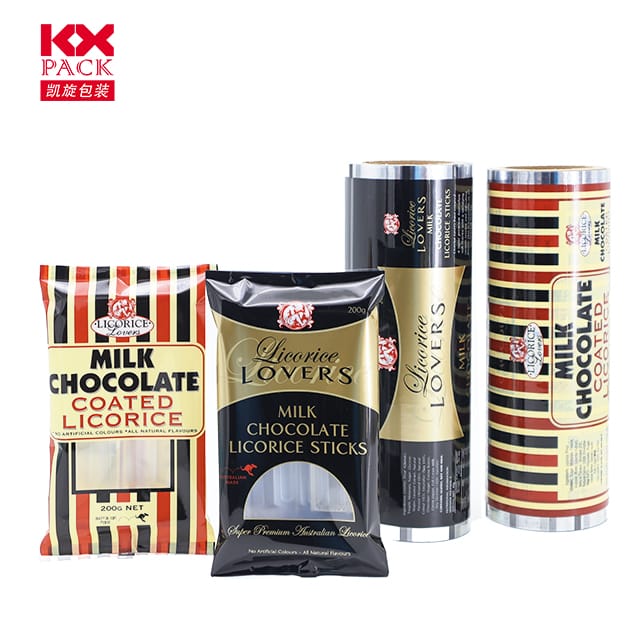
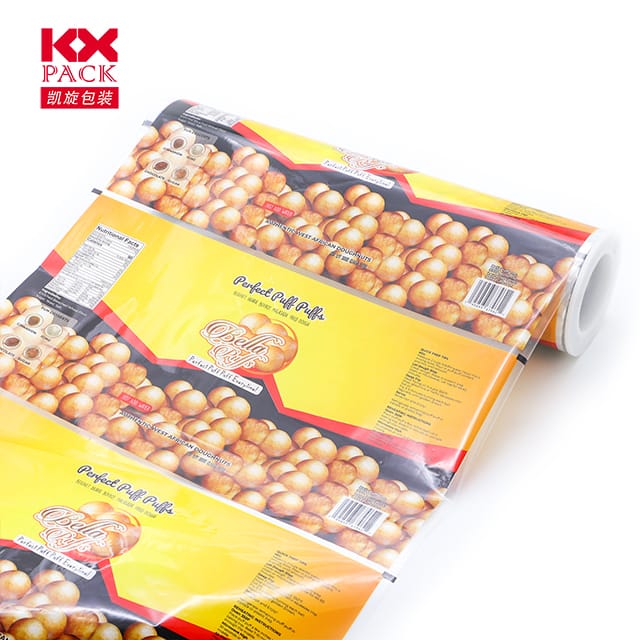
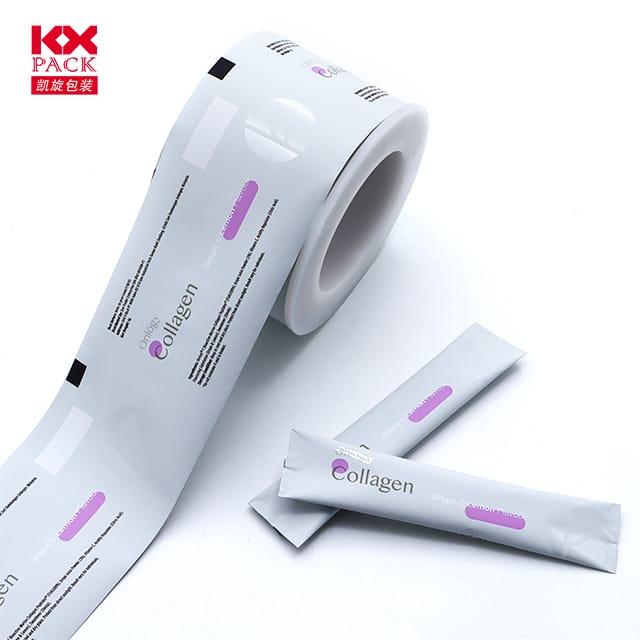
- Printable Films: High-resolution printing allows brands to create eye-catching designs while maintaining functionality.
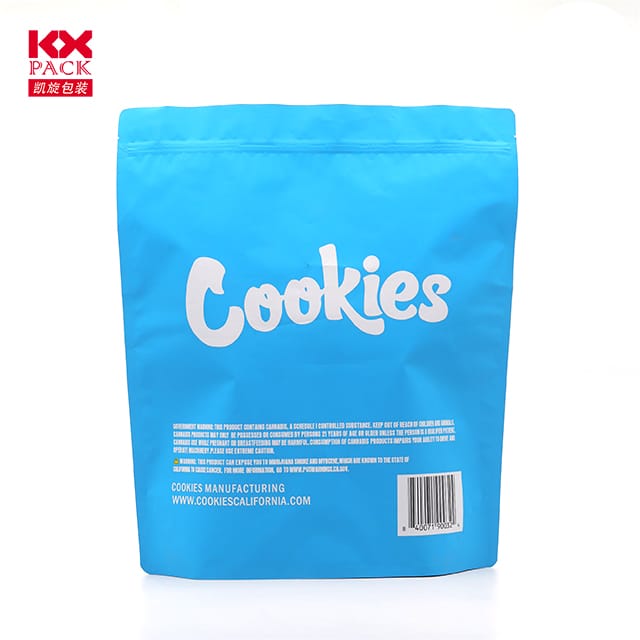
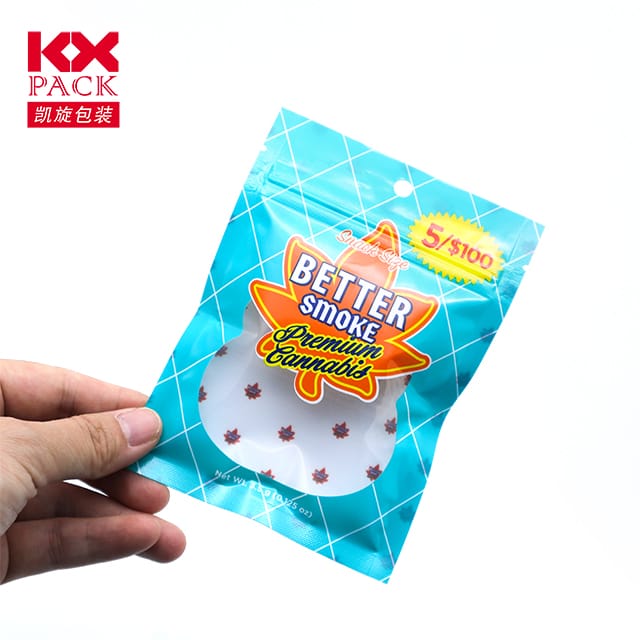
- Tính năng có thể khóa lại: Zippers or adhesive strips enhance convenience for consumers, reducing food waste from partially used products.
- Thermoformable Films: These adapt to irregular shapes, perfect for packaging fresh produce or ready-to-eat meals.
Trend Alert: The rise ofe-commerce grocery has spurred demand for puncture-resistant films that withstand shipping while keeping contents intact.
5. The Role of Nanotechnology
Nanomaterials are unlocking new possibilities:
- Nano-coatings: Ultra-thin layers improve barrier properties without adding bulk, making films lighter and more efficient.
- Phim kháng khuẩn: Silver or zinc oxide nanoparticles inhibit bacterial growth, extending the life of perishables like meat and bread.
Research Spotlight: MỘT 2024 study found that nano-silver-coated films reducedE. coli contamination in packaged lettuce by 99.9% qua 14 ngày.
Những thách thức và con đường phía trước
Dù có tiến bộ, hurdles remain:
- Trị giá: Biodegradable materials are often pricier than conventional plastics, though economies of scale are narrowing the gap.
- Giáo dục tiêu dùng: Many remain unaware of recycling guidelines for compostable films, leading to contamination in waste streams.
- Regulatory Hurdles: Approvals for new materials vary by region, slowing global adoption.
Suy nghĩ cuối cùng
Food film packaging is no longer just about wrapping—it’s a dynamic field where science, bền vững, and design converge. As brands prioritize circular economy principles and consumers demand transparency, the future of packaging looks brighter (and greener) than ever.
Ready to make a switch? Tìm kiếm các chứng chỉ nhưĐược rồi Phân trộn hoặcTÜV Áo when shopping for eco-friendly options, and support companies investing in innovation.
What’s your take on food packaging’s future? Chia sẻ suy nghĩ của bạn bên dưới! 🌱📦