Phim thực phẩm bọc: Người hùng thầm lặng về tính hiệu quả và bền vững của nhà bếp
Phim thực phẩm bọc
Trong các căn bếp trên toàn thế giới, minh bạch, anh hùng đeo bám lặng lẽ giữ gìn sự tươi mới, ngăn chặn chất thải, và thích ứng với nhu cầu bền vững hiện đại: Phim thực phẩm bọc (còn được gọi là bọc nhựa hoặc màng bám). Dụng cụ nhà bếp khiêm tốn này đã phát triển từ một công cụ tiện lợi thành biểu tượng của sự đổi mới—và gây tranh cãi—khi chúng tôi cân bằng tính thực tế với trách nhiệm với môi trường. Let’s unravel the story of food film wrap, its role in daily life, and its future in a greener world.
The Origins: From Military Tech to Kitchen Drawer
Food film wrap’s journey began in the 1930s when a lab accident during cellophane production led to the discovery of polyvinylidene chloride (PVDC), a stretchy, moisture-resistant material. Initially used for military packaging, it entered civilian kitchens post-WWII asSaran Wrap, revolutionizing food storage. Its ability to create an airtight seal against containers and surfaces made it a must-have for busy households.
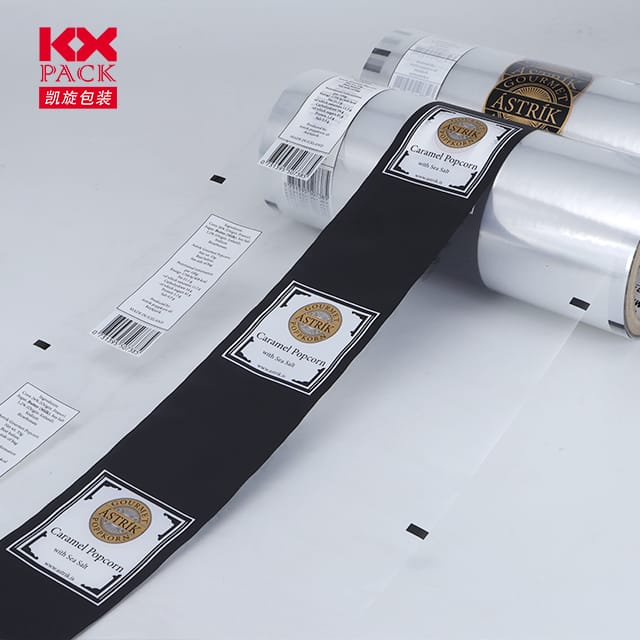
Theo thời gian, manufacturers introduced alternatives like polyethylene (Thể dục) and biodegradable films, catering to eco-conscious consumers. Hôm nay, food film wrap is no longer just a single-use plastic—it’s a category of solutions designed for versatility and sustainability.
Why We Love It: The Practical Perks
- Freshness Preservation: By blocking air and moisture, food film wrap extends the shelf life of leftovers, trái cây, và pho mát, giảm lãng phí thực phẩm (and grocery bills).
- Anh hùng vệ sinh: It acts as a barrier against bacteria and odors, keeping refrigerators clean and cross-contamination at bay.
- Versatility Unmatched: From wrapping sandwiches for lunchboxes to covering dough during proofing, its clingy nature molds to any shape.
- Space-Saving: Không giống như các thùng chứa cồng kềnh, film wrap flattens easily, optimizing fridge and pantry space.
Tình trạng khó xử môi trường: Thuận tiện vs. Planet
Mặc dù lợi ích của nó, traditional food film wrap has a dark side. Most varieties are non-recyclable and take centuries to decompose, contributing to plastic pollution in oceans and landfills. Nhựa dùng một lần, including film wrap, face growing scrutiny as governments and consumers demand eco-friendly alternatives.
This has sparked innovation:
- Phim phân hủy sinh học: Được làm từ nguyên liệu thực vật như bột ngô, these break down in compost within months.
- Tùy chọn tái sử dụng: Bình ăn silicone, Wraps Wraps, and fabric bowl covers offer durable, washable alternatives.
- Phim ăn được: Researchers are developing edible coatings from seaweed or starch to wrap produce directly.
tương lai: Thông minh, Bền vững, and Circular
The next generation of food film wrap aims to merge functionality with planetary health:
- Phim thông minh: Embedded with sensors to detect food spoilage or release natural preservatives.
- Thiết kế tròn: Films made from recycled plastics or designed for easy recycling.
- Zero-Waste Kitchens: Brands are promoting “refill stations” for bulk film rolls to cut packaging waste.
How to Make Smarter Choices Today
While the industry adapts, consumers can take action:
- Opt for Reusables: Invest in silicone lids or beeswax wraps for daily use.
- Tái chế ngay: Check local guidelines—some areas accept clean, dry PE film at grocery drop-off points.
- Giảm mức sử dụng: Store leftovers in glass containers or mason jars instead.
- Support Innovation: Choose brands experimenting with biodegradable or compostable options.
Phần kết luận: A Tool in Transition
Food film wrap’s story mirrors our broader struggle with plastic. Once a symbol of modern convenience, it now represents the urgent need for sustainable innovation. While alternatives gain traction, traditional film wrap still plays a role in reducing food waste—a critical step in fighting climate change.
The key lies in mindful consumption: using film wrap only when necessary, opting for eco-friendly versions, and advocating for systemic change. Rốt cuộc, preserving food shouldn’t come at the cost of preserving our planet.
What’s your go-to food storage hack? Share your tips (or favorite reusable wrap brands) trong các bình luận bên dưới!
Từ khóa: Phim thực phẩm bọc, sustainable kitchen, chất thải nhựa, biodegradable cling film, bảo quản thực phẩm