Sealing Film Plastic: Ang Unsung Hero ng Modern Packaging at Laboratory Innovation
Sealing Film Plastic
In a world where sustainability meets functionality, Ang sealing film plastic ay lumitaw bilang isang pundasyon ng materyal na agham, pinagtulay ang mga industriya mula sa pag-iingat ng pagkain hanggang sa makabagong bioteknolohiya. Ang maraming nalalaman na materyal, madalas na napapansin sa pang-araw-araw na buhay, gumaganap ng mahalagang papel sa pagtiyak ng integridad ng produkto, Pagbabawas ng basura, at pagpapagana ng mga siyentipikong tagumpay. Let’s explore its multifaceted applications, evolving innovations, and the future of this unassuming yet indispensable material.
A Material for All Seasons: From Lab to Supermarket
Sealing Film Plastic’s adaptability stems from its core properties: kakayahang umangkop, barrier strength, and compatibility with diverse substrates. In laboratories, it safeguards critical biological samples—think cell cultures, PCR tests, and multi-well plates—by preventing contamination, evaporation, and spillage. Halimbawa, Parafilm, a thermoplastic blend of hydrocarbon wax and polyolefin, stretches over 200% at room temperature, creating airtight seals on flasks, test tubes, and petri dishes. Its self-adhering nature minimizes moisture loss, making it a staple in histology and genomics research.
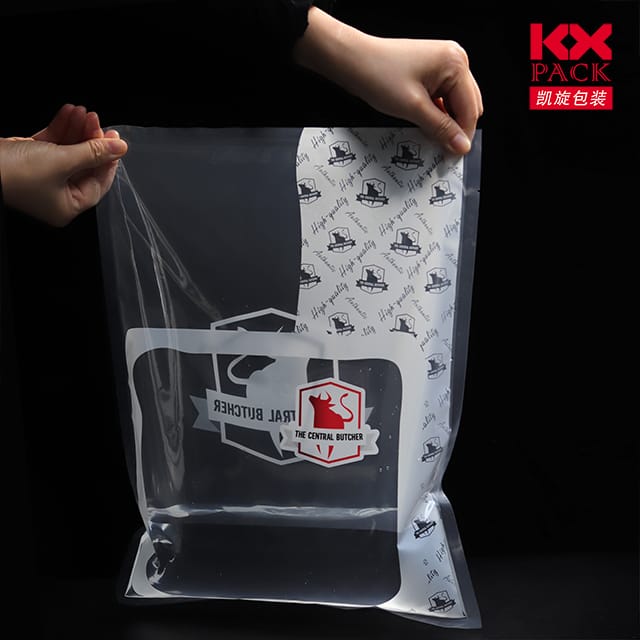
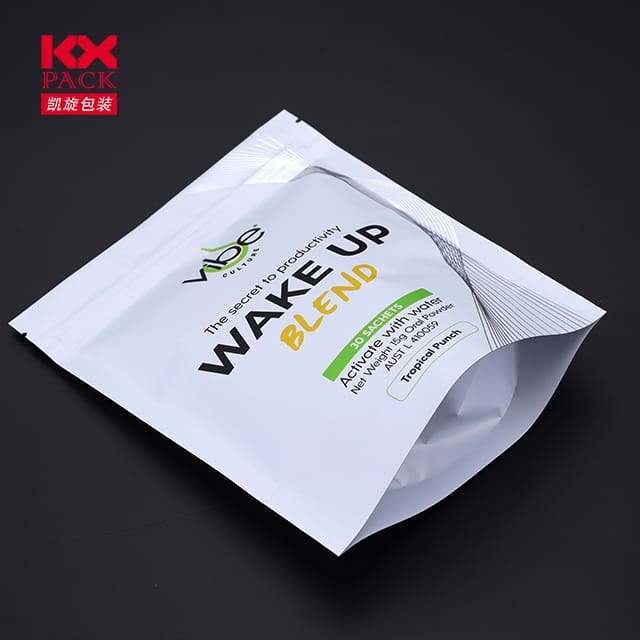
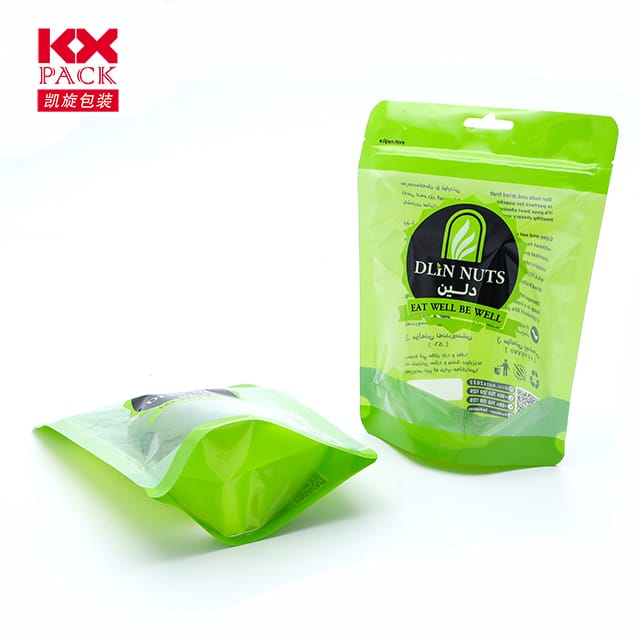
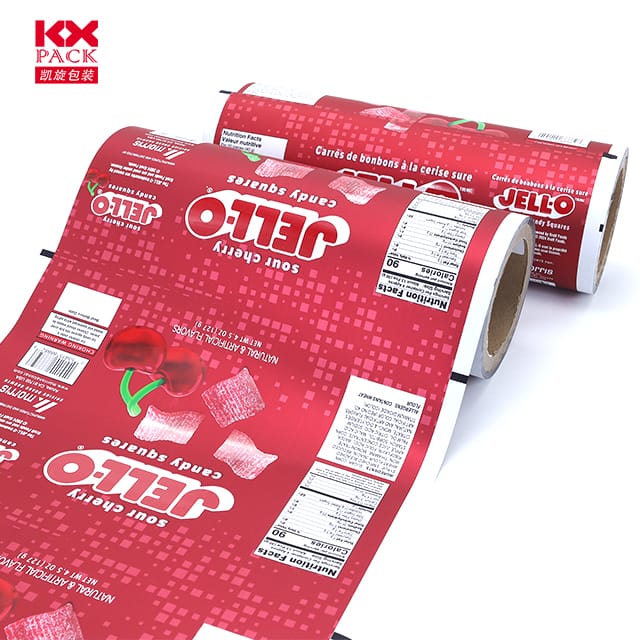
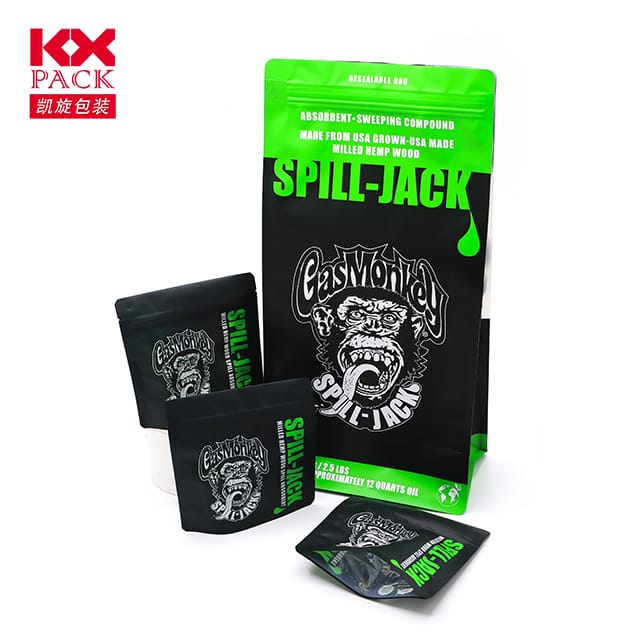
Beyond labs, Sealing Film Plastic revolutionize food packaging. Heat-sealable films, compatible with materials like PP, PET, and PS, are used in trays, mga tasa, and pouches for ready-to-eat meals, meryenda, at inumin. Automatic cup-sealing machines for bubble tea or coffee lids exemplify how these films reduce storage space and packaging waste compared to traditional lids. The cold-seal plastic films market, projected to grow from 4.1trilyon2025sa7.2 Bilyon ni 2035, underscores their dominance in stand-up pouches and flexible packaging.
Innovation Drivers: Sustainability and Smart Tech
As environmental concerns mount, the industry is pivoting toward eco-friendly solutions. Biodegradable films derived from plant-based polymers or compostable materials are gaining traction, addressing plastic waste in food packaging. Companies are also exploringIoT integration, embedding sensors into films to monitor freshness, temperatura, or even detect pathogens in real time. Imagine a smart sealing film that alerts consumers when their produce is about to spoil!
Another breakthrough iscold-seal technology, which eliminates the need for heat during packaging. This reduces energy consumption and enables faster production lines, crucial for perishable goods. Polyethylene Terephthalate (PET) leads this segment, accounting para sa38.6% of the cold-seal market share, thanks to its clarity, lakas, and recyclability.
Dynamics ng Market: Growth and Regional Shifts
The global plastic films and sheets market is expected to surge from154.59billiong2025to253.52 Bilyon ni 2034, driven by Asia-Pacific’s dominance and North America’s rising demand for sustainable packaging. Key players like Dow Inc., Amcor plc, and Toray Industries are investing in R&D to enhance film performance while reducing environmental impact.
Gayunpaman, Nagpapatuloy ang mga hamon. Regulatory pressures, such as France’s AGEC law banning plastic packaging for shipped press publications, are pushing alternatives like water-based heat-sealable glues. Samantala, concerns over microplastic migration into food highlight the need for stricter material safety standards.
Ang hinaharap: Sealing the Deal for a Greener World
The trajectory of sealing film plastic is clear: smarter, greener, and more efficient. Innovations like nanotechnology-enhanced barriers, which extend shelf life without synthetic additives, and circular economy models, where films are recycled into new products, will redefine the industry. Mga mamimili, din, are driving change by demanding transparent labeling and recyclable packaging.
For scientists, sealing films will continue to be a lifeline for preserving sample integrity in genomics and proteomics. For food manufacturers, they offer cost-effective, waste-reducing solutions. And for consumers, they promise fresher products and a lighter ecological footprint.
Konklusyon: A Material Worth Celebrating
Sealing film plastic may not grab headlines, but its impact is undeniable. From protecting lab samples to revolutionizing how we package food, it embodies the harmony between innovation and sustainability. Habang nagbabago ang industriya, one thing remains certain: this unassuming material will continue to seal its place in our daily lives, one application at a time.
Whether you’re a researcher, a foodie, or an eco-conscious shopper, take a moment to appreciate the sealing film plastic that quietly makes your world safer, fresher, and greener. 🌍✨