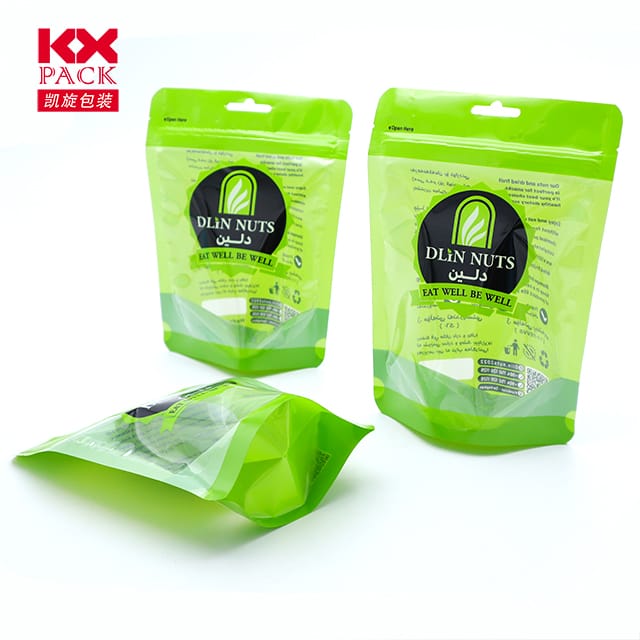
Naka -print na film ng packaging: Ang Visual Revolution Redefining Product Appeal In 2025
Naka -print na film ng packaging
In the crowded aisles of modern retail, kung saan ang mga mamimili ay gumawa ng mga split-segundo na mga desisyon sa pagbili, Ang papel ng packaging ay umusbong mula sa proteksyon lamang sa isang madiskarteng tool sa pagba -brand. Kabilang sa mga makabagong ideya na nagmamaneho sa pagbabagong ito, naka -print na film ng packaging stands out as a game-changer, Pag -andar ng Blending na may visual na pagkukuwento upang lumikha ng hindi malilimot na mga karanasan sa consumer.
Why Printed Packaging Film? The Branding Imperative
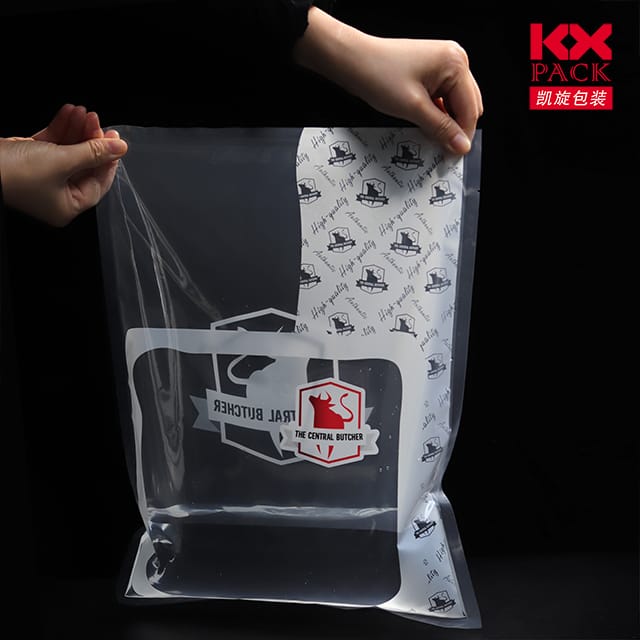
Naka -print na film ng packaging are no longer just about wrapping products—they are dynamic canvases for brand identity. Unlike transparent films, which rely on external labels, printed films integrate logos, color schemes, nutritional data, and even augmented reality (AR) triggers directly into the packaging. This seamless integration ensures:
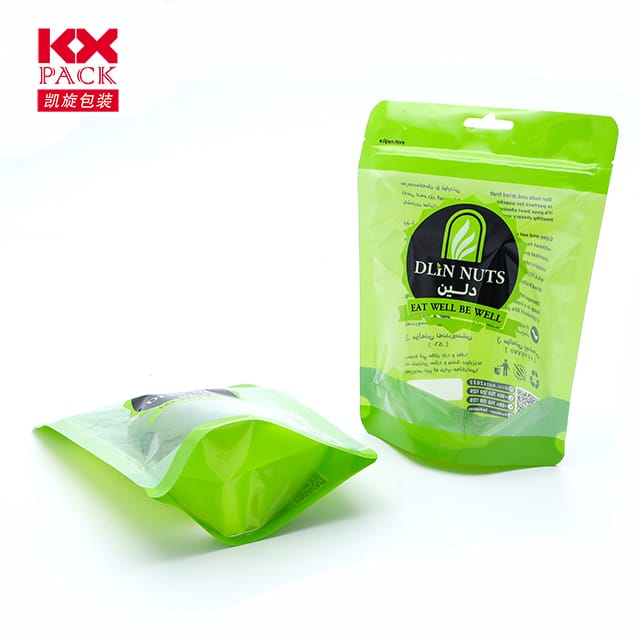
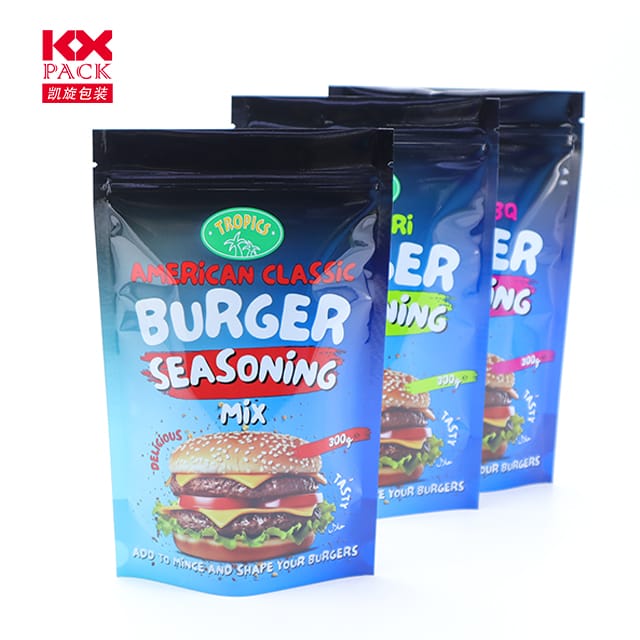
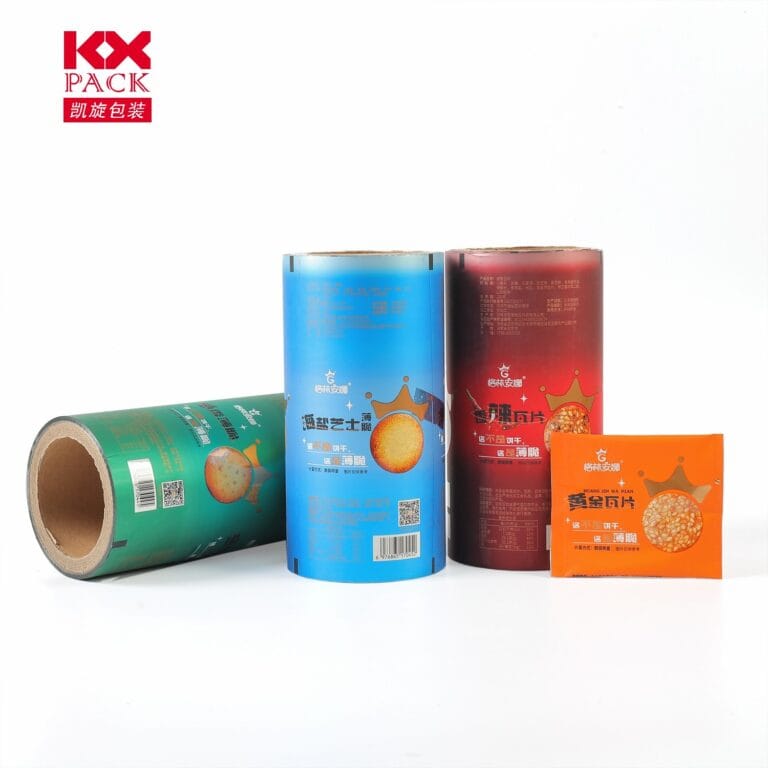
- Instant Recognition: Bold graphics and consistent branding across product lines enhance shelf visibility. Halimbawa, a snack brand using high-resolution digital printing on its multi-layer film can display vibrant product images and QR codes linking to recipe videos.
- Pagsunod sa Regulasyon: Critical information like ingredients, usage instructions, and safety warnings are permanently embedded, reducing the risk of mislabeling. This is particularly vital for industries like cosmetics, where regulatory demands for clarity are stringent.
- Sustainability Messaging: As eco-consciousness rises, brands leverage printed films to highlight recyclability, biodegradability, or carbon footprint reductions, aligning with consumer values.
Pagsulong ng Teknolohiya: From Print to Pixel
Ang Naka -print na film ng packaging market is surging, projected to reach $179.18 Bilyon ni 2034, driven by innovations in printing techniques and material science. Kasama sa mga pangunahing uso:
- Digital Printing Dominance: High-resolution digital printers enable cost-effective, short-run customization, allowing brands to launch limited-edition designs or regional campaigns without heavy tooling costs.
- Pagsasama ng Smart Packaging: Films now incorporate RFID tags, temperature-sensitive inks, and AR layers. Imagine scanning a coffee pouch to view its origin story or receiving freshness alerts via a smartphone app.
- Advanced Material Composites: Multi-layer films combine barrier layers (Hal., EVOH for oxygen resistance), heat-sealable coats, and recyclable substrates. Halimbawa, a BOPET (biaxially oriented polyethylene terephthalate) film with printed ink and a biodegradable adhesive layer offers both durability and sustainability.
Mga Application na Tukoy sa Industriya
Printed films cater to diverse sectors, each with unique demands:
- Pagkain & Inumin: Grease-resistant films for chips, aroma-barrier layers for coffee, and fold-resistant designs for on-the-go snacks. A dairy brand might use a printed laminate with UV protection to extend shelf life while showcasing farm-fresh imagery.
- Personal na pangangalaga & Mga kosmetiko: Tubes and pouches with metallic inks, embossed textures, and refillable packaging designs. Luxury skincare lines often opt for matte-finish films with holographic branding to convey premium appeal.
- Pang -industriya & Chemicals: Bundling films for firewood or cleaning supplies now feature printed safety warnings and handling instructions, reducing workplace accidents.
Mga hamon & Sustainability Trade-offs
Sa kabila ng mga pakinabang nito, printed packaging film faces scrutiny over environmental impact. Traditional inks and laminates can complicate recycling, prompting innovations like:
- Water-Based Inks: Reducing VOC emissions and improving recyclability.
- Monomaterial Structures: Films made from a single polymer type (Hal., PE-only) to simplify post-consumer recycling.
- Biodegradable Additives: Films incorporating plant-based compounds that break down under industrial composting conditions.
Brands must balance aesthetics with eco-responsibility. Halimbawa, a coffee roaster might switch from a printed PET/PE laminate to a recyclable mono-PE film with digital printing, sacrificing some barrier performance for circularity.
Ang hinaharap: Interactive & Circular Packaging
Tumingin sa unahan, printed films will become even more intelligent and sustainable. Predictions include:
- Edible Inks: Printing branding directly onto edible films for confectionery or pharmaceuticals.
- Self-Healing Surfaces: Films that repair minor scratches to maintain visual appeal throughout the product lifecycle.
- Blockchain Integration: QR codes linked to blockchain platforms for transparent supply chain tracking.
Konklusyon: Packaging as a Brand Ambassador
Printed packaging film is no longer a passive layer—it’s an active participant in the consumer journey. By merging cutting-edge printing, material science, at pagpapanatili, brands can transform packaging into a storytelling medium that drives loyalty and differentiation. As the market grows, the brands that master this art will lead the way in an increasingly competitive landscape.
Handa nang itaas ang iyong packaging? Explore how printed films can transform your product’s first impression—and last.
Mga mapagkukunan: PennPac, Sollex, MarketsandMarkets, ScienceDirect