Naka -print na film ng packaging: Ang tahimik na bayani ng modernong apela sa produkto
Naka -print na film ng packaging
In the bustling world of consumer goods, Kung saan ang mga istante ay napuno ng kumpetisyon at ang mga spans ng atensyon ay lumilipad, naka -print na film ng packaging emerges as a critical player in a brand’s success story. Malayo pa sa isang pambalot lamang, Ito ay isang canvas para sa pagkamalikhain, Isang kalasag para sa kalidad, at isang madiskarteng tool para sa pagkita ng kaibhan. Let’s explore how this versatile material is transforming the way products are perceived, protektado, and promoted.
Beyond Aesthetics: The Functional Power of Printed Films
Naka -print na film ng packaging isn’t just about eye-catching designs—though that’s certainly part of its charm. Its true value lies in its ability to merge form and function seamlessly. Here’s why it’s indispensable:
- Brand Storytelling:
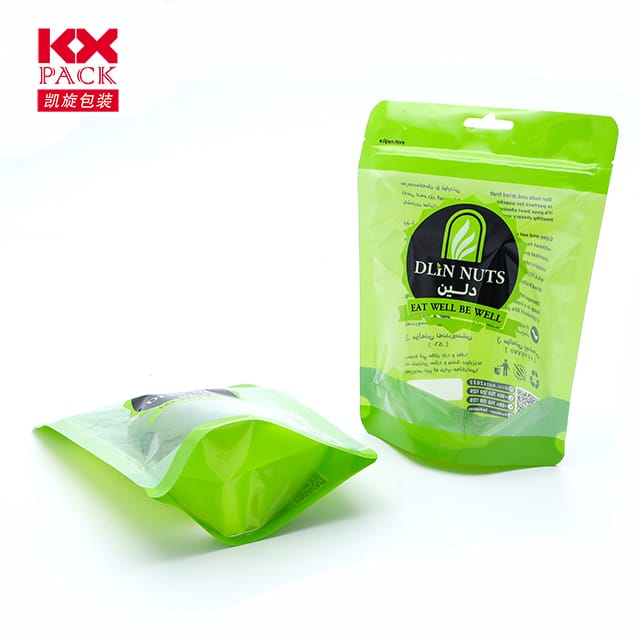
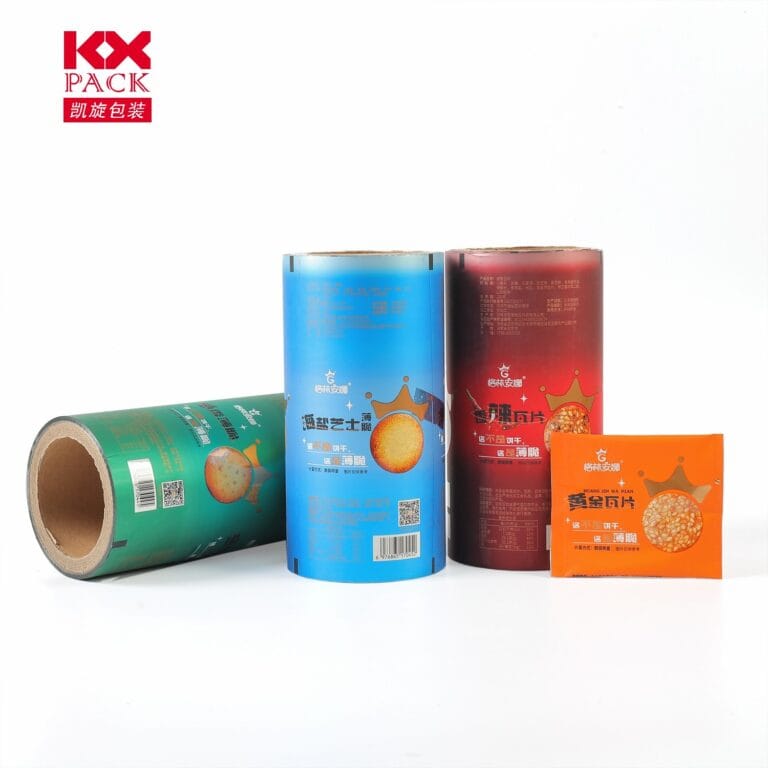
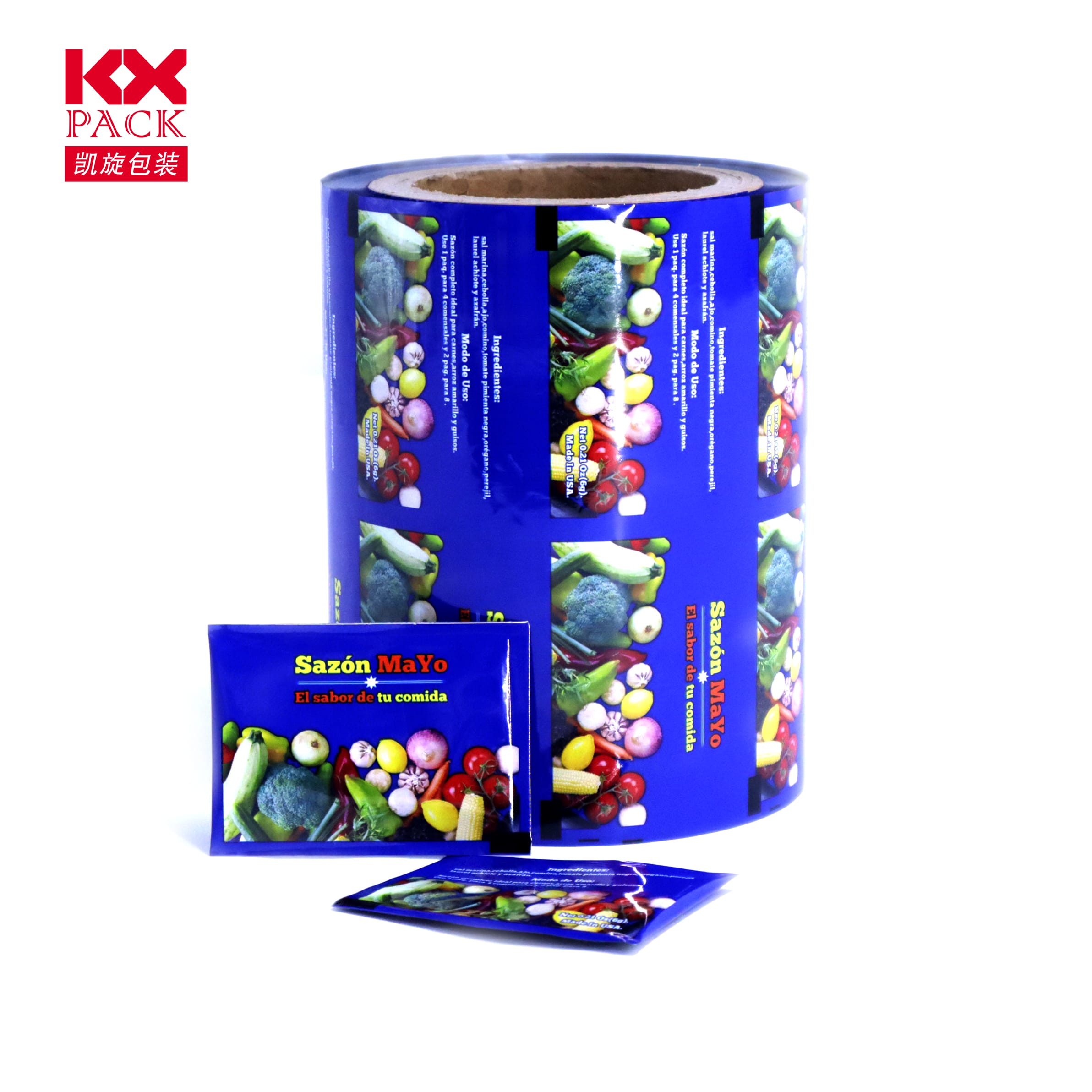
In an era where consumers connect emotionally with brands, packaging is the first touchpoint. High-definition graphics, Mga Boses na Kulay, and tactile finishes (like matte, pagkintab, or soft-touch coatings) on films like Bopp (Biaxially oriented polypropylene) o PET (Polyethylene Terephthalate) create memorable unboxing experiences. Think of a luxury chocolate brand using metallic-printed film to evoke opulence or a skincare line leveraging eco-friendly, soy-based inks to align with sustainability values. - Proteksyon ng Produkto:
Lampas sa mga aesthetics, printed films safeguard products from moisture, UV ray, oxygen, at pisikal na pinsala. Halimbawa, barrier films with layers of EVOH (Ethylene vinyl alkohol) or aluminum foil are used in food packaging to extend shelf life. Samantala, anti-fog films ensure clarity in refrigerated displays, at scuff-resistant coatings prevent damage during transit. - Pagpapanatili & Innovation:
Brands are under pressure to reduce their environmental footprint, and printed films are rising to the challenge. Biodegradable options like PLA (Polylactic acid)-based films and compostable alternatives are gaining traction. Bukod pa rito, recyclable mono-material structures (Hal., all-polypropylene laminates) simplify recycling streams. Mga makabagong tulad ng digital printing also minimize waste by enabling short-run, on-demand production.
The Art of Customization: Tailoring Films to Your Needs
No two products are alike, and neither should their packaging be. Printed films offer unparalleled customization:
- Flexographic, Rotogravure, or Digital Printing:
Choose the method that suits your volume, budget, and design complexity. Flexographic printing is cost-effective for large runs, while digital printing excels in low quantities and variable data (Hal., personalized labels). Rotogravure, meanwhile, delivers ultra-high resolution for premium brands. - Specialty Finishes:
From holographic effects to embossed textures, films can be engineered to stand out. A beverage brand might use cold foil stamping for a shimmering logo, while a cosmetics line could opt for metallicized films to convey luxury. - Functional add-on:
Integrate features like Resealable Zippers, easy-tear perforations, o peel-and-reveal labels for interactive packaging. Halimbawa, a snack brand could use a film with a built-in freshness seal, while a pharma company might incorporate tamper-evident closures.
Navigating Challenges: Compliance & Gastos
Habang Naka -print na film ng packaging offer immense benefits, brands must navigate regulatory and economic hurdles:
- Food Safety Regulations:
Films in contact with food must comply with standards like FDA (U.S.) or EU No. 10/2011. Adhesives, inks, and substrates must be food-safe and migration-tested. - Kahusayan sa gastos:
Balancing quality with affordability is key. While premium films (Hal., those with metalized layers) offer superior barrier properties, they may not always be necessary. Collaborate with suppliers to optimize film thickness, print methods, and lamination structures. - Supply Chain Resilience:
Global supply chain disruptions have highlighted the need for local sourcing and agile partnerships. Work with suppliers who offer just-in-time delivery, inventory management, and rapid prototyping.
Ang Kinabukasan ng mga Nakalimbag na Pelikula: Smart & Sustainable
Ang Naka -print na film ng packaging industry is evolving rapidly, and printed films are at the forefront of innovation:
- Smart Packaging:
Films embedded with QR CODES, Mga tag ng NFC, or thermochromic inks enable consumer engagement, traceability, and anti-counterfeiting. Imagine a coffee packet that changes color to indicate freshness or a supplement bottle that links to dosage instructions via a smartphone scan. - Pagsasama ng pabilog na ekonomiya:
Naka -print na film ng packaging Brands are increasingly adopting design-for-recycling principles. Films with mono-material structures, water-based inks, and adhesive-free laminations are becoming the norm. Some companies are even exploring Pag -recycle ng kemikal to turn used films into raw materials for new packaging. - E-commerce Readiness:
With online shopping booming, films must withstand the rigors of shipping. Matibay, puncture-resistant films with reinforced seams and anti-static properties ensure products arrive intact.
Konklusyon: More Than Meets the Eye
Naka -print na film ng packaging is the unsung hero of product success. It’s a blend of art and science, a guardian of quality, and a catalyst for brand loyalty. As consumers demand more transparency, pagpapanatili, and interactivity, the role of printed films will only grow.
Kaya, the next time you pick up a product off the shelf, take a moment to appreciate its packaging. It’s not just a wrapper—it’s a strategic masterpiece.(Naka -print na film ng packaging)
What’s your favorite example of innovative printed packaging? Ibahagi ang iyong mga saloobin sa mga komento sa ibaba! 📦✨