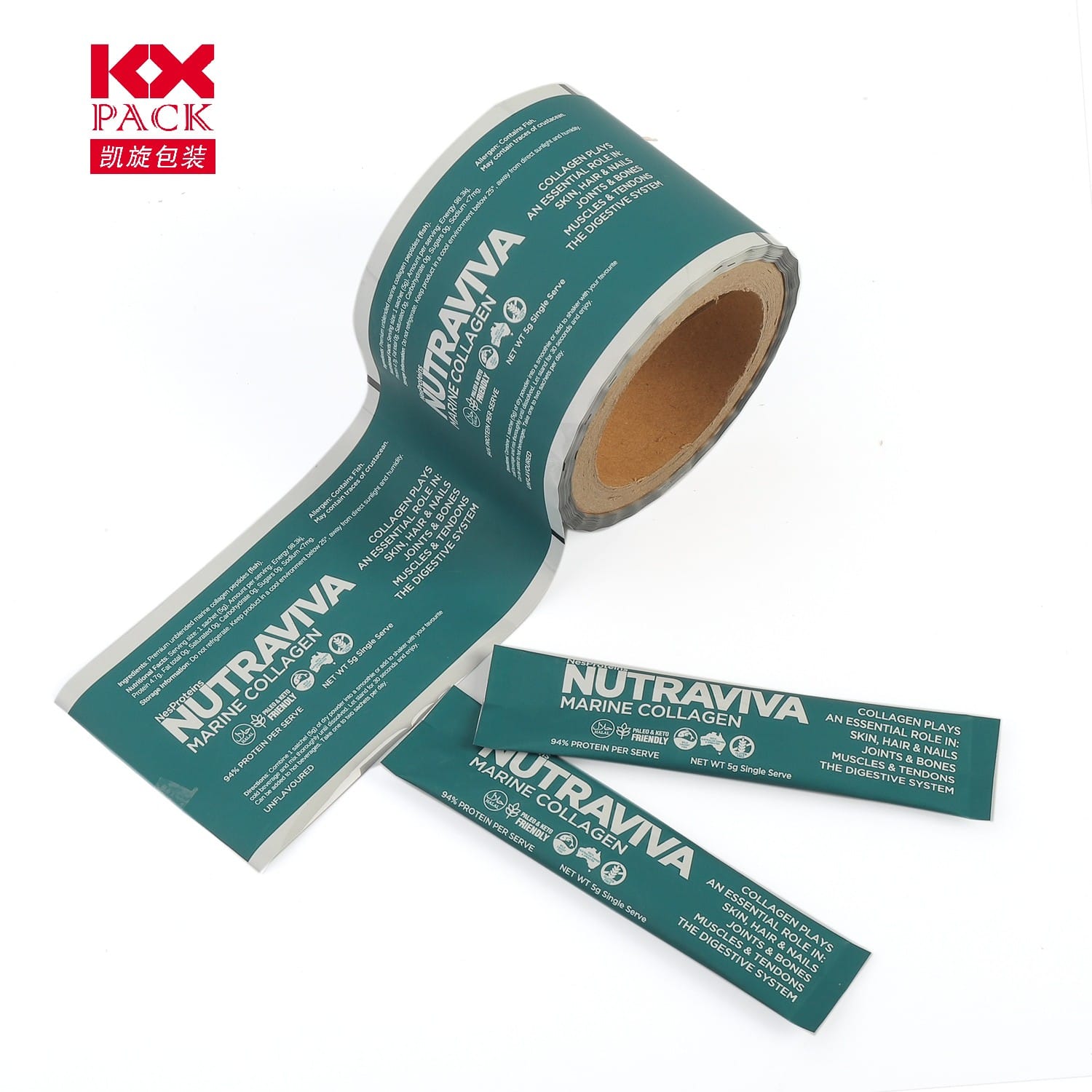
I -print ang Film Plastic: Ang Ebolusyon ng Packaging, Mga graphic, at Smart Solutions
I -print ang Film Plastic
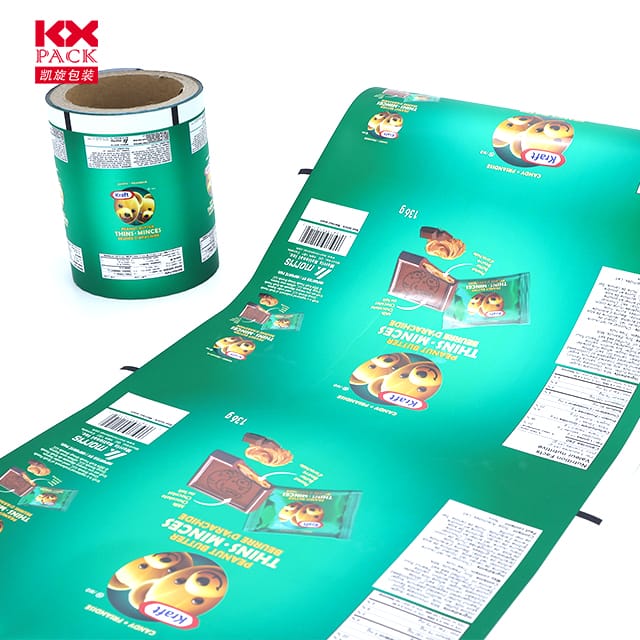
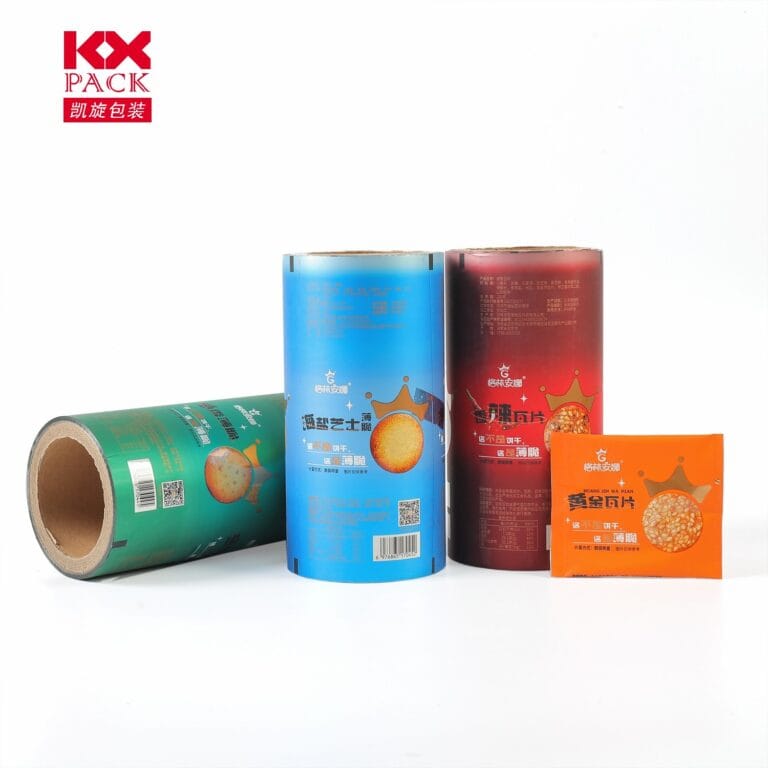
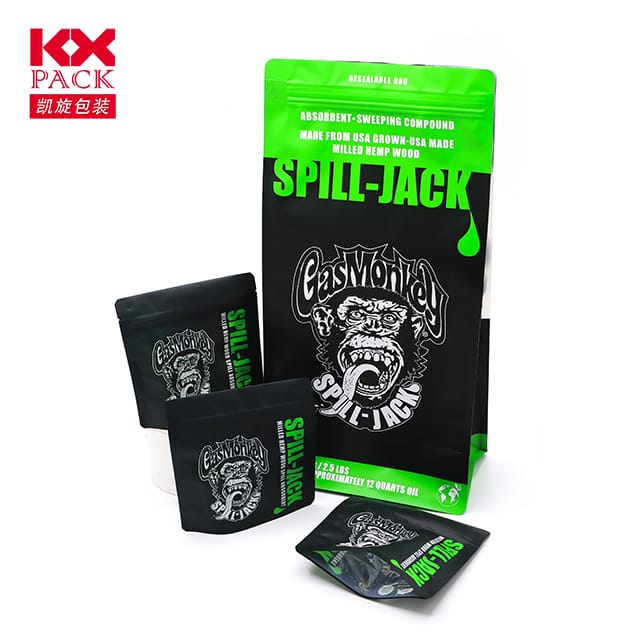
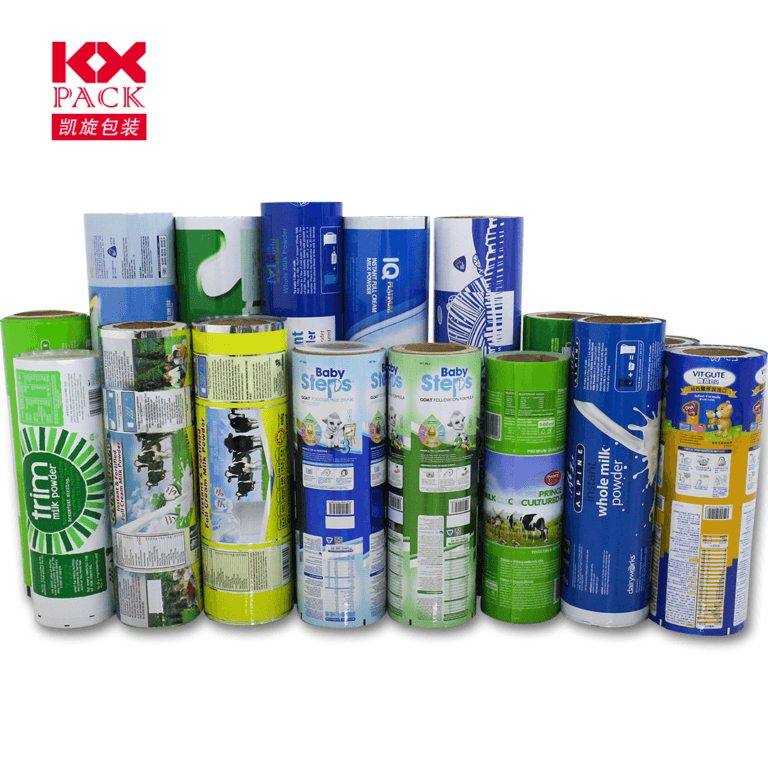
In the realm of modern packaging and visual communication, I -print ang Film Plastic ay lumitaw bilang isang pundasyon ng pagbabago, pinaghalong functionality na may aesthetic appeal. Mula sa packaging ng pagkain hanggang sa malakihang advertising, ang maraming nalalaman na materyal na ito ay muling nagbibigay-kahulugan sa mga industriya sa pamamagitan ng mga pagsulong sa teknolohiya sa pag-print, pagpapanatili, at matalinong pagsasama.
1. The Multifunctional Edge of Print Film Plastic
Traditionally valued for its lightweight and durable properties, print film plastic now transcends basic aesthetics. Manufacturers are engineering films with specialized functionalities:
- Proteksyon ng hadlang: Multi-layer co-extrusion films incorporate layers for oxygen, kahalumigmigan, o paglaban ng UV, extending shelf life for perishables.
- Thermal and Antimicrobial Properties: Films with temperature-sensitive inks or embedded antimicrobial agents are revolutionizing medical packaging and fresh food storage.
- Interactive Packaging: QR CODES, pinalaki na katotohanan (AR) mga label, and digital watermarks printed on films enable brands to engage consumers through scannable content, enhancing product authenticity and traceability.
Halimbawa, Sumitomo Bakelite’s 2024 polyethylene-based mono-material film for medical devices exemplifies how recyclability and performance can coexist.
2. Printing Technologies: Precision Meets Creativity
The printing landscape for plastic films has diversified, catering to both industrial and creative needs:
- Flexographic Printing: Dominates high-volume packaging (Hal., meryenda bag, beverage labels) with cost-effective, high-speed results.
- Digital na pag -print: Enables on-demand, short-run customization for promotional materials and personalized packaging, Pagbabawas ng basura.
- Screen Printing: Preferred for thick films (Hal., polycarbonate signage) due to its opacity and vibrant color reproduction.
Companies like Dürrbeck Kunststoffe leverage stack printing presses to achieve double-sided printing on blown films at speeds up to 400 meters per minute, balancing quality and efficiency.
3. Pagpapanatili: The Green Imperative
As global regulations tighten on single-use plastics, the industry is pivoting toward eco-conscious solutions:
- Mga pelikulang biodegradable: Polymers derived from plant-based materials (Hal., cellulose acetate) are gaining traction in graphic arts and overlays.
- Compostable Coatings: Films with water-based or biodegradable inks reduce environmental impact without compromising print durability.
- Recycling Innovations: Mono-material films (Hal., PE-only structures) simplify post-consumer recycling, aligning with circular economy goals.
The Asia-Pacific region, a hub for packaging innovation, is projected to lead this transition, with a CAGR of 5.38% in sustainable film adoption through 2034.
4. Smart Packaging: The Future is Connected
Print film plastic is at the forefront of theInternet of Packaging (IoP), integrating RFID tags, NFC chips, and temperature-sensitive inks. These features enable:
- Real-Time Tracking: Supply chain transparency for pharmaceuticals and luxury goods.
- Consumer Engagement: AR-triggered content (Hal., tutorials, loyalty programs) via smartphone scans.
- Anti-Counterfeiting: Digital watermarks and holographic prints safeguard brand integrity.
Sa pamamagitan ng 2030, smart packaging is expected to account for 30% of the printed film market, driven by e-commerce growth and consumer demand for authenticity.
5. Dynamics ng Market: Growth and Regional Trends
The global printed plastic film market is poised for robust expansion, with projections reaching$8.86 Bilyon ni 2034 (CAGR 4.30%). Kasama sa mga pangunahing driver:
- E-Commerce Boom: Demand for durable, branded shipping materials.
- Health-Conscious Consumers: Preference for tamper-evident and hygienic packaging.
- Technological Leapfrogging: AI-driven quality control and automation in production lines.
Asia-Pacific remains the largest market, while North America invests heavily in AI integration and sustainable material R&D.
Konklusyon: The Canvas of Tomorrow
Print film plastic is no longer just a packaging material—it’s a dynamic platform for innovation. From biodegradable options to AI-powered smart labels, the industry is evolving to meet sustainability mandates and consumer expectations. As brands seek to differentiate in a crowded market, the fusion of print technology, material science, and digital connectivity will define the next chapter of this versatile medium.
Whether you’re a packaging engineer, a marketer, or a sustainability advocate, the trajectory of print film plastic offers a compelling glimpse into a future where functionality, pagkamalikhain, and responsibility converge.
Explore the possibilities—your next breakthrough could be a film away. 🌍✨