Ang papel at pagbabago ng mga pelikulang plastic packaging sa modernong industriya (5)
Mga pelikulang plastik na packaging
Sa mabilis na mundo ng consumer ngayon, plastic packaging films are ubiquitous yet often overlooked. Mula sa pag -iingat ng sariwang ani hanggang sa pagpapanatili ng mga electronics, Ang mga payat na ito, Ang mga nababaluktot na materyales ay naglalaro ng isang kritikal na papel sa pagprotekta ng mga produkto, Pagpapalawak ng buhay sa istante, at pagbabawas ng basura. Gayunpaman, Tulad ng mga alalahanin sa kapaligiran na naka -mount, Ang industriya ay umuusbong upang balansehin ang pag -andar na may pagpapanatili. Let’s explore the science, Mga Aplikasyon, and future of plastic packaging films.
What Are Plastic Packaging Films?
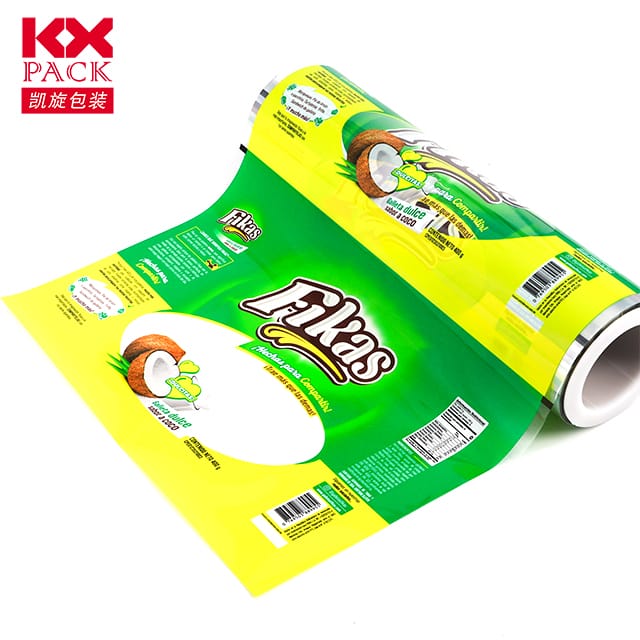
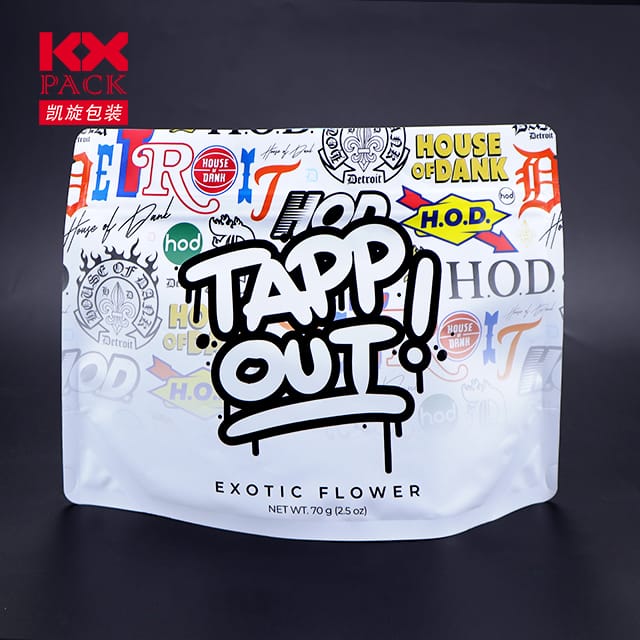
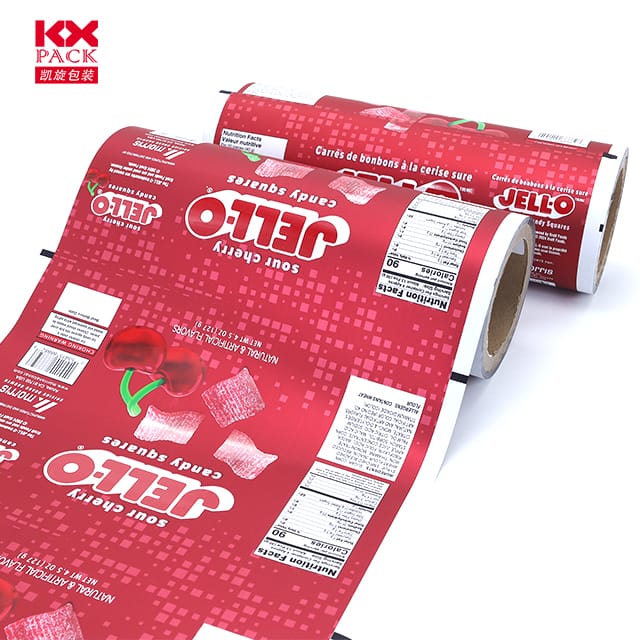
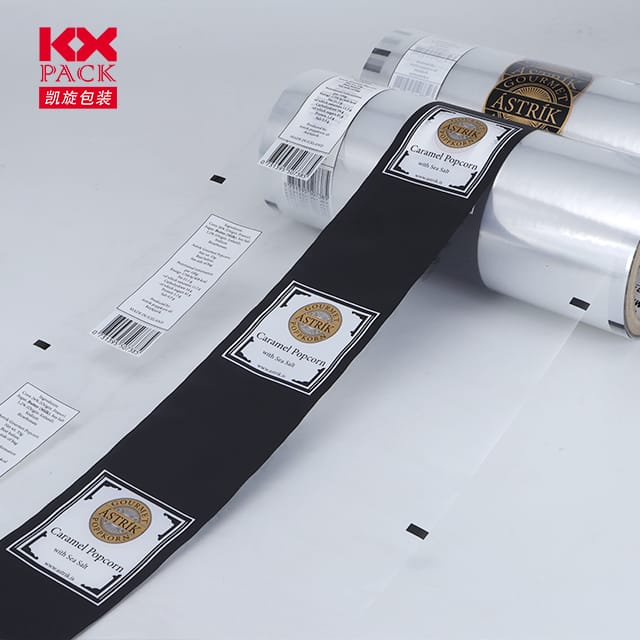
Plastic packaging films are lightweight, versatile materials made from polymers such as polyethylene (PE), polypropylene (PP), polyvinyl chloride (PVC), or polyester (PET). They can be transparent or opaque, single-layered or multi-layered, and engineered with additives for specific properties like UV resistance, mga hadlang sa kahalumigmigan, or anti-static coatings.
Kabilang sa mga pangunahing katangian:
- Kakayahang umangkop: Adapts to irregular shapes (Hal., wrapping fresh meat or confectionery).
- Mga Katangian ng Barrier: Prevents oxygen, singaw ng tubig, or odors from compromising products.
- Cost-pagiging epektibo: Cheaper to produce and transport than rigid packaging.
- Kakayahang mai -print: Supports branding with high-quality graphics.
Common Applications Across Industries
- Pagkain & Inumin
- Sariwang ani: Stretch films maintain freshness by reducing air exposure.
- Snacks: Laminated films with aluminum layers block light and oxygen to prevent rancidity.
- Ready-to-eat meals: High-barrier films protect against contamination and extend shelf life.
- Mga parmasyutiko
- Mga paltos ng paltos: Thermoformed films ensure tamper-evidence and precise dosage control.
- Medical devices: Sterile packaging films meet stringent hygiene standards.
- Mga kalakal ng consumer
- Electronics: Anti-static films shield delicate components from electrostatic discharge.
- Mga kosmetiko: Multi-layered films combine moisture resistance with luxurious aesthetics.
- Pang -industriya
- Pallet wrapping: Stretch films secure goods during transit, reducing damage risks.
- Konstruksyon: Protective films shield surfaces like glass or metal from scratches.
Environmental Challenges and Solutions
While plastic films offer undeniable benefits, their single-use nature has raised alarms about pollution and landfill waste. The industry is responding with innovative solutions:
- Biodegradable at compostable films
- Ginawa mula sa mga polymer na batay sa halaman (Hal., polylactic acid, or PLA), these films break down naturally under specific conditions.
- Halimbawa: PLA films used for fresh salads decompose in industrial composting facilities.
- Mga recycled na pelikula ng nilalaman
- Post-consumer recycled (PCR) materials reduce reliance on virgin plastics.
- Challenges include maintaining performance while incorporating recycled resins.
- Mga advanced na teknolohiya sa pag -recycle
- Chemical recycling breaks down plastics into their original monomers for reuse, pagpapagana ng walang katapusang pag -recycle ng mga loop.
- Companies like Eastman and BASF are investing heavily in this space.
- Payat, Mas magaan na pelikula
- Down-gauging reduces material use without sacrificing strength.
- Halimbawa: High-performance polyethylene films that are 50% thinner yet stronger than traditional options.
The Future of Plastic Packaging Films
As regulations tighten (Hal., Ang solong paggamit ng plastik na EU), Ang industriya ay pivoting patungoMga modelo ng pabilog na ekonomiya. Kasama sa mga pangunahing uso:
- Mga Smart Films: Embedded sensors monitor food freshness or product integrity in real time.
- Nakakain na mga pelikula: Made from natural ingredients like starch or proteins, these films eliminate waste entirely.
- Muling magagamit na mga system: Brands like Loop are trialing durable, refillable containers lined with recyclable films.
Consumer Tips: Making Sustainable Choices
- Look for certifications: Opt for films labeled “compostable” (Hal., OK Compost HOME) or “recyclable” (check local facilities).
- Reduce waste: Reuse packaging for storage or crafts before recycling.
- Support brands: Choose companies committed to sustainable packaging innovations.
Konklusyon: Striking a Balance
Plastic packaging films are indispensable in modern supply chains, but their environmental impact demands urgent action. Sa pamamagitan ng pagyakap sa mga materyales na biodegradable, Mga makabagong pag -recycle, and smarter designs, the industry can protect both products and the planet.
What’s your take on plastic packaging films? Share your thoughts or questions in the comments below—let’s drive the conversation toward a greener future! 🌍📦
Mga keyword: plastic packaging films, Sustainable packaging, biodegradable films, Nilalaman ng recycled, packaging ng pagkain, industrial films.