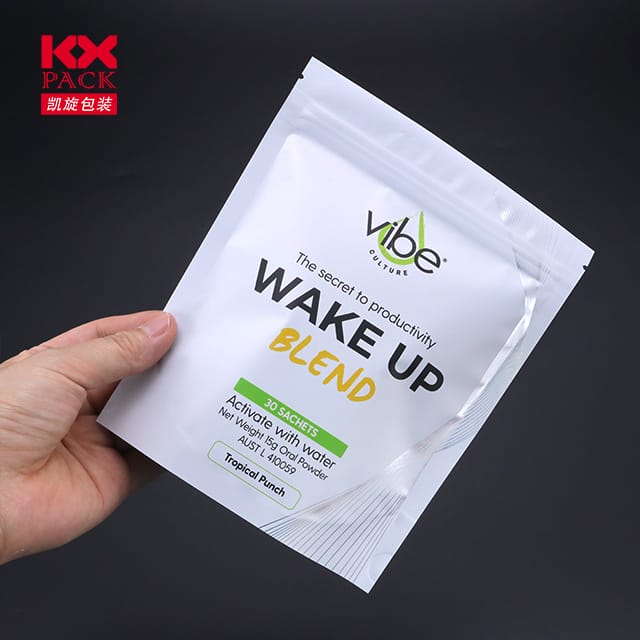
Ang ebolusyon at mga aplikasyon ng film ng lamination: Isang komprehensibong pangkalahatang -ideya
Lamination film
Sa larangan ng packaging, Electronics, at pang -industriya na pagmamanupaktura, lamination film nakatayo bilang isang materyal na batong panulok, nag -aalok ng tibay, Proteksyon, at pinahusay na pag -andar. Ang maraming nalalaman na materyal, Binubuo ng maraming mga layer na nakipag -ugnay nang magkasama sa pamamagitan ng mga dalubhasang proseso, ay nag -rebolusyon ng mga industriya na mula sa packaging ng pagkain hanggang sa advanced na elektronika. Hayaan ang mundo ng lamination film, Paggalugad ng mga uri nito, Mga Aplikasyon, at mga uso sa hinaharap.
Ano ang Lamination Film?
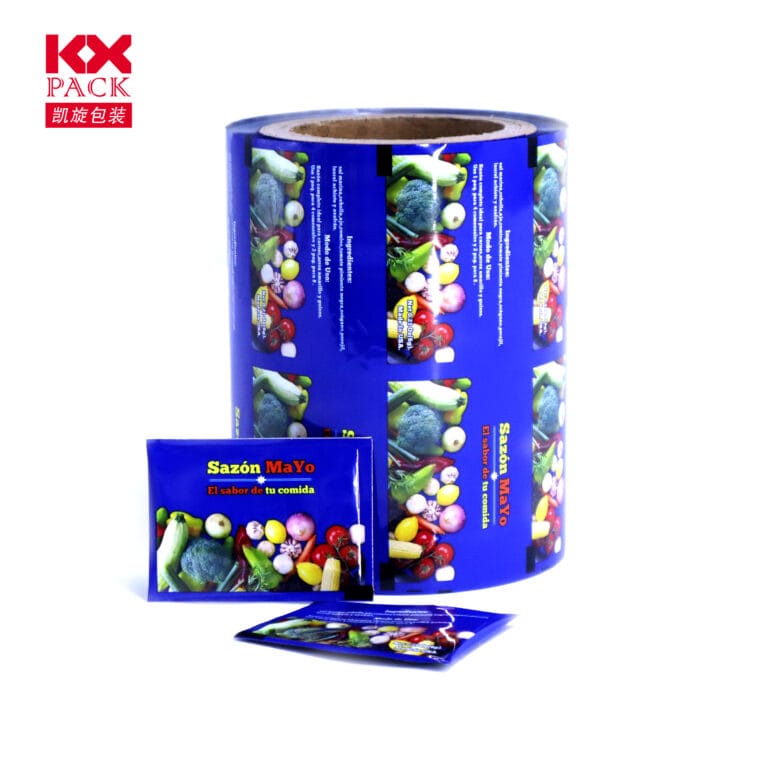
Lamination film refers to a composite material created by bonding two or more layers of film—often polymers, metals, or paper—using heat, presyon, o adhesives. The resulting structure combines the strengths of each layer, such as heat resistance, moisture barrier properties, or optical clarity. Halimbawa, a common configuration might include a polyester base layer coated with a heat-sealable adhesive, providing both strength and printability.
Key Types of Lamination Films
- PET (Polyethylene Terephthalate) Mga Pelikula:
- Kilala sa kanilang transparency, paglaban ng init, and chemical stability, PET films are widely used in food packaging, mga label, and electrical insulation.
- Variants like PET metalized films add a reflective layer for enhanced barrier properties, ideal for snack packaging or pharmaceutical blisters.
- Bopp (Biaxially oriented polypropylene) Mga Pelikula:
- BOPP films are prized for their moisture resistance, kalinawan, at pagiging epektibo. They are commonly used in snack packaging, Magazine, and laminated documents.
- makintab at matte finishes cater to aesthetic and functional needs, such as anti-glare labels or premium packaging.
- Mga pelikulang barrier:
- Ang mga pelikulang ito, often multi-layered, include aluminum or EVOH (Ethylene vinyl alkohol) layers to block oxygen, kahalumigmigan, at liwanag. They are critical in extending the shelf life of perishable goods like coffee, karne, at mga parmasyutiko.
- Mga Espesyal na Pelikula:
- Anti-static films prevent electrostatic discharge in electronics packaging.
- Security films incorporate holograms or UV-reactive inks for brand protection and anti-counterfeiting.
Mga Aplikasyon sa Industriya
- Food and Beverage Packaging:
- Lamination films safeguard products from moisture, oxygen, at pisikal na pinsala. Halimbawa, a metalized PET film might be laminated with a sealant layer to create airtight pouches for coffee or nuts.
- Mga parmasyutiko:
- High-barrier films ensure the sterility and stability of medications. Mga paltos ng paltos, halimbawa, often use PVC/PVDC/Aclar laminates to protect tablets from humidity and light.
- Electronics:
- In PCB (Printed Circuit Board) Paggawa, dry film laminates act as photoresists, enabling precise circuit patterning. Bukod pa rito, flexible printed circuits (FPCs) rely on ultra-thin lamination films for durability and bendability.
- Printing and Graphics:
- Laminated posters, mga menu, and ID cards benefit from enhanced durability and UV resistance. Halimbawa, a PET laminate might be applied to a printed substrate to protect against fading and scratches.
- Construction and Automotive:
- Films with high tensile strength and weather resistance are used in solar panels, automotive glazing, and architectural membranes.
Pagsulong ng Teknolohiya
- Pagpapanatili: Manufacturers are developing biodegradable at recyclable lamination films to reduce environmental impact. Halimbawa, PLA-based (polylactic acid) Mga Pelikula offer a compostable alternative to traditional petroleum-based plastics.
- Mga Smart Films: Kasama sa mga umuusbong na teknolohiya thermochromic at photochromic laminates that change color with temperature or light exposure, pagbubukas ng mga pinto para sa interactive na packaging.
- Nano-Layer Coatings: Ultra-thin layers of alumina or silica improve barrier properties without adding bulk, crucial for lightweight, high-performance packaging.
Market Trends and Challenges
- The global lamination film market is projected to grow steadily, driven by demand for sustainable packaging and advanced electronics. Gayunpaman, mananatili ang mga hamon:
- Cost Pressures: Raw material price fluctuations and energy costs impact profitability.
- Pagsunod sa Regulasyon: Stringent food safety and environmental regulations necessitate continuous innovation.
- Kumpetisyon mula sa mga kahalili: Rigid plastics and aluminum foil pose competition in certain applications.
Konklusyon
Lamination film is more than just a protective layer—it’s a technological marvel that enhances product safety, Aesthetics, at pag -andar. As industries evolve, so too will lamination films, with advancements in sustainability, smart materials, and nano-engineering paving the way for the next generation of solutions. Whether in a snack bag, a smartphone screen, or a solar panel, lamination film continues to prove its worth as an indispensable material in modern manufacturing.
Stay tuned for more insights into the world of advanced materials and their role in shaping a sustainable future. 🌍✨