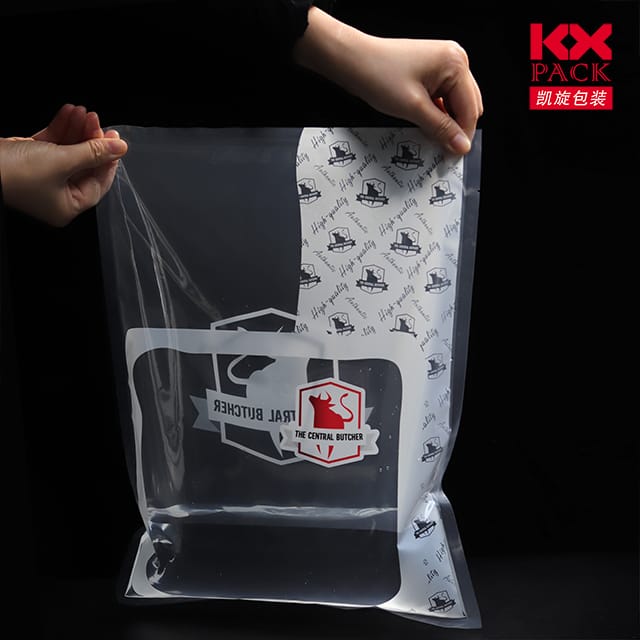
Ang panghuli gabay sa film na pambalot ng pagkain: Mula sa kusina na mahalaga hanggang sa mga pagpipilian sa eco-conscious
Pelikulang pambalot ng pagkain
Food wrapping film—also known as cling film, plastik na pambalot, o Saran Wrap - ay isang staple ng kusina na matatagpuan sa halos bawat sambahayan. Kung pinapanatili mo ang mga tira, marinating karne, o pag -iimpake ng tanghalian, Ang transparent na ito, Ang kahabaan na materyal ay tila kailangang -kailangan. Ngunit gaano mo talaga alam ang tungkol dito? Hayaan nating unravel ang agham, pagpapanatili, and smart hacks behind Pelikulang pambalot ng pagkain.
1. What Is Food Wrapping Film Made Of?
Most commercial plastic wraps are crafted from Polyethylene (PE), a lightweight, flexible plastic. Some varieties use polyvinylidene chloride (PVDC) o polyvinyl chloride (PVC) for enhanced clinginess and moisture resistance, though these have fallen out of favor due to environmental concerns.(Pelikulang pambalot ng pagkain)
- PE Film: Safe for food storage, microwave-friendly, and recyclable in some areas (check local guidelines).
- PVC/PVDC Film: Contains chlorine and plasticizers, which may leach into food when heated. Many brands now phase these out for eco-friendly alternatives.
2. The Pros and Cons of Plastic Wrap
Mga kalamangan:
- Air-Tight Seal: Prevents freezer burn and keeps food fresh longer.
- Versatility: Wraps odd-shaped items like avocados, cheese wedges, or sandwich halves.(Pelikulang pambalot ng pagkain)
- Transparency: Lets you see contents without unwrapping, Pagbabawas ng basura.
Cons:
- Single-Use Plastic: Contributes to landfill waste and microplastic pollution.
- Non-Recyclable in Most Cases: Unless labeled “compostable” or “recyclable,” it often ends up in incinerators or oceans.
- Chemical Concerns: Some studies suggest that plasticizers in PVC wraps may disrupt hormones if ingested over time.(Pelikulang pambalot ng pagkain)
3. Eco-Friendly Alternatives to Traditional Plastic Wrap
Tulad ng pagpapanatili ay nagiging isang priyoridad, many households are switching to reusable or biodegradable options:
- Pambalot ng beeswax: Made from cotton coated in beeswax, these wraps are washable, compostable, and perfect for covering bowls or wrapping sandwiches. They last up to a year with proper care.(Pelikulang pambalot ng pagkain)
- Mga takip ng pagkain ng silicone: Matibay, airtight, at ligtas na makinang panghugas ng pinggan, silicone lids fit snugly over bowls, mga plato, or even cut produce like half-onions.
- Fabric Covers with Elastic: Reusable cloth wraps lined with waterproof material (Hal., food-grade PU) are ideal for dough rising or storing baked goods.
- Biodegradable Film: Some brands now offer plant-based wraps made from cornstarch or cellulose. These decompose in industrial composting facilities within months.
4. Creative Hacks for Using Food Wrap
Beyond leftovers, plastic wrap has surprising secondary uses:
- Marinating Magic: Wrap meat in seasoned film and massage the spices into the surface for faster flavor absorption.
- No-Mess Painting: Cover art palettes or tables with plastic wrap to protect surfaces during kids’ craft sessions.
- DIY Ice Packs: Fill a zip-top bag with water, seal it inside a layer of plastic wrap, and freeze for a flexible, reusable cold compress.
- Plant Protection: Cover seedlings with a plastic wrap dome to create a mini greenhouse effect, boosting germination rates.
5. How to Store Food Wrap Properly
Ever struggled with a tangled, useless roll of plastic wrap? Here’s how to keep it frustration-free:
- Keep It Cold: Store the roll in the fridge or freezer. Chilled plastic wrap is less sticky and easier to handle.
- Use the Box’s Serrated Edge: Most plastic wrap boxes include a built-in cutter. Slide the film along the edge for clean, even tears.
- Avoid Overstretching: Pulling too hard can tear the film or reduce its clinginess. Gently press it onto containers instead of stretching it taut.
6. The Future of Food Wrapping: Innovations to Watch
- Nakakain na mga pelikula: Researchers are developing wraps made from starch, algae, or milk proteins that can be eaten with the food. Imagine unwrapping a cheese stick and munching on the biodegradable “plastic” too!
- Smart Packaging: Some companies are testing films that change color when food spoils or release antimicrobial agents to extend shelf life.
- Mushroom-Based Materials: Mycelium (fungus roots) can be molded into compostable packaging that rivals plastic’s durability.
Pangwakas na mga saloobin: Ditch the Guilt, Embrace the Solutions
While traditional plastic wrap has its merits, its environmental impact is undeniable. By opting for reusable alternatives or compostable options, you can reduce waste without sacrificing convenience. And if you do use plastic wrap, recycle it responsibly (if possible) or repurpose it creatively.
What’s your go-to food wrapping hack? Share your tips in the comments below! 🌱🍴
P.S. For eco-warriors: Try making your own beeswax wraps at home with cotton fabric, grated beeswax, and an oven—it’s easier than you think!