The Evolution and Impact of Flexible Plastic Film Packaging in Modern Industries
Flexible plastic film packaging
Sa mga nagdaang taon, flexible plastic film packaging has emerged as a cornerstone of modern packaging solutions, revolutionizing industries from food and beverage to pharmaceuticals and consumer goods. Ang magaan, maraming nalalaman, and cost-effective nature has made it indispensable, but its growing prevalence also raises critical questions about sustainability and environmental responsibility. Let’s explore the rise of flexible plastic film packaging, mga pakinabang nito, mga hamon, at ang mga makabagong ideya ay humuhubog sa hinaharap.
What Is Flexible Plastic Film Packaging?
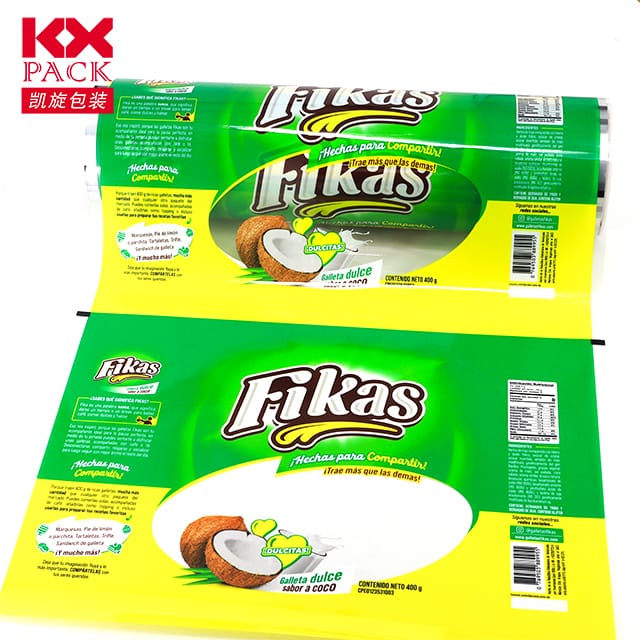
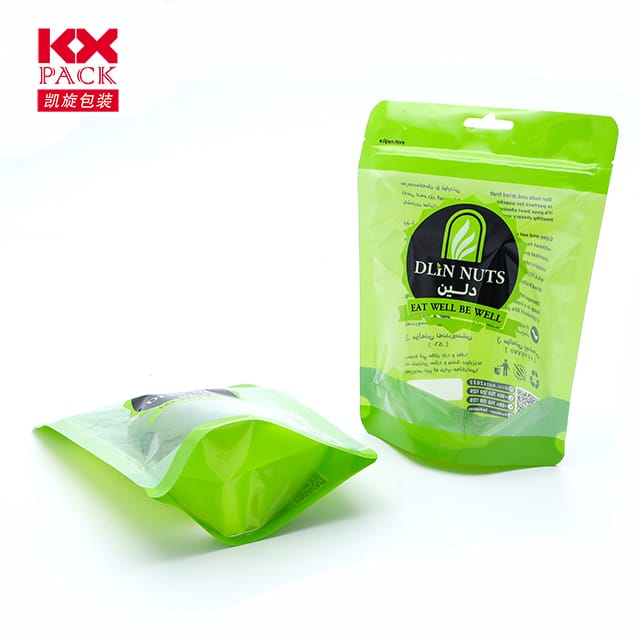
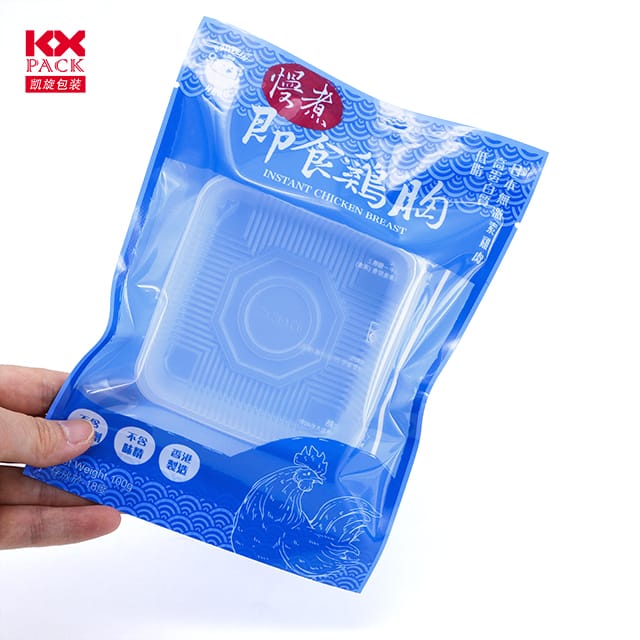
Flexible plastic film packaging refers to thin, pliable sheets made from polymers such as polyethylene (PE), polypropylene (PP), polyester (PET), or biodegradable alternatives like PLA (polylactic acid). These films are used to create pouches, mga bag, balot, and liners that protect products from moisture, oxygen, liwanag, at kontaminasyon. Hindi tulad ng mahigpit na packaging (Hal., salamin o metal), flexible films can be molded into custom shapes, reducing material waste and enabling efficient storage and transportation.
Why Is It So Popular?
- Versatility: Flexible films adapt to diverse products, from fresh produce and snacks to cosmetics and medical supplies. They can be printed with vibrant graphics, pagpapahusay ng kakayahang makita ng tatak.
- Kakayahang Gastos: Manufacturing flexible films requires less energy and raw materials compared to rigid alternatives, lowering production costs.
- Pinalawak na buhay ng istante: Multi-layer films with barrier properties (Hal., oxygen scavengers) panatilihin ang pagiging bago, Pagbabawas ng basura ng pagkain.
- Kaginhawaan: Resealable zippers, mga spout, and easy-tear features improve user experience, particularly in on-the-go consumption.
Mga hamon sa kapaligiran
Sa kabila ng mga pakinabang nito, flexible plastic film packaging faces scrutiny for its environmental impact:
- Hindi biodegradability: Most films are derived from fossil fuels and persist in landfills for centuries.
- Recycling Barriers: Thin, multi-layered structures are often incompatible with traditional recycling systems, humahantong sa mababang mga rate ng pag -recycle (estimated at just 5–10% globally).
- Polusyon ng mikropono: Improper disposal can fragment films into microplastics, contaminating ecosystems.
Mga Innovations Pagmamaneho ng Sustainability
The industry is responding with groundbreaking solutions to mitigate environmental harm:
- Biodegradable at compostable films: Materials like PLA (made from corn starch) at pha (Polyhydroxyalkanoates) break down naturally under specific conditions.
- Mga advanced na teknolohiya sa pag -recycle: Chemical recycling processes can convert mixed plastic waste into reusable feedstock, enabling circular economy models.
- Mono-Material Designs: Replacing multi-layer films with single-polymer structures improves recyclability without sacrificing performance.
- Muling magagamit na mga sistema ng packaging: Brands are experimenting with refillable pouches and take-back programs to reduce single-use waste.
The Future of Flexible Packaging
Habang lumalaki ang demand ng consumer para sa mga pagpipilian sa eco-friendly, manufacturers face pressure to innovate. Governments are also stepping in with regulations like extended producer responsibility (EPR) mga batas, which hold companies accountable for packaging waste.
The key to a sustainable future lies in balancing functionality with environmental stewardship. By investing in biodegradable materials, scalable recycling infrastructure, and consumer education, the industry can transform flexible plastic film packaging into a solution that benefits both businesses and the planet.
Konklusyon
Flexible plastic film packaging is a testament to human ingenuity, offering unmatched convenience and efficiency. Gayunpaman, its environmental footprint demands urgent action. Through collaboration between innovators, Mga tagagawa ng patakaran, at mga mamimili, we can ensure this versatile material evolves into a cornerstone of sustainable packaging—proving that progress and responsibility can go hand in hand.
What are your thoughts on flexible plastic film packaging? Ibahagi ang iyong mga ideya sa mga komento sa ibaba!
Mga keyword: Flexible plastic film packaging, Sustainable packaging, biodegradable films, recycling innovation, pabilog na ekonomiya