Ang Pagtaas ng Flexible Films packaging: Innovation, Pagpapanatili, at pagbabagong -anyo ng industriya
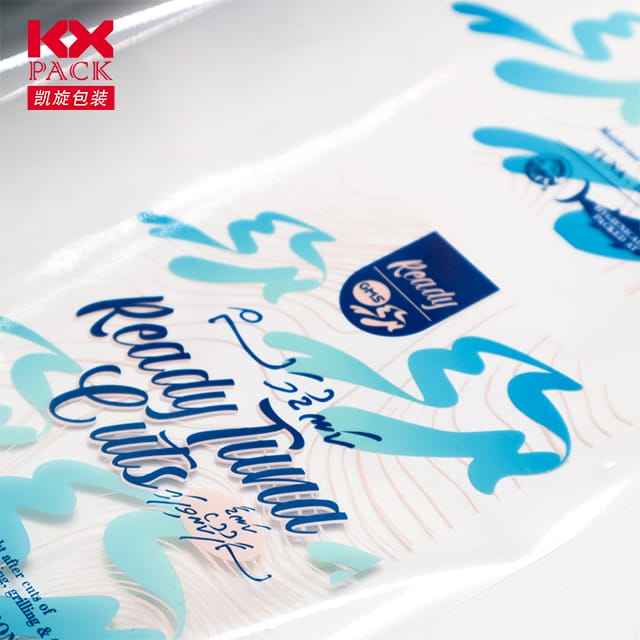
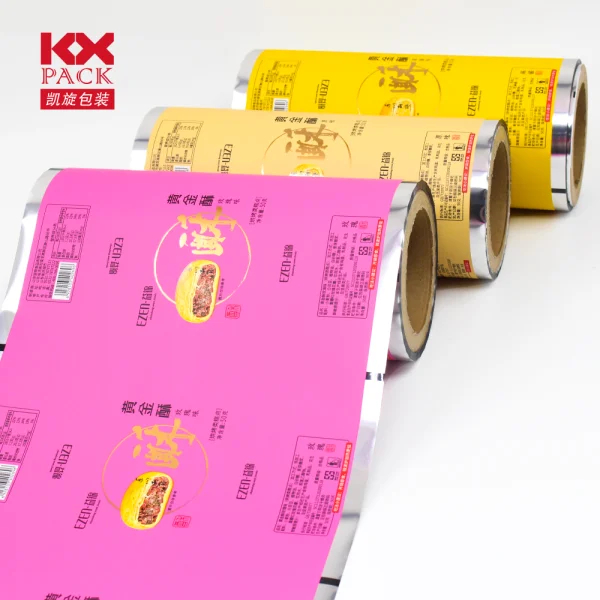
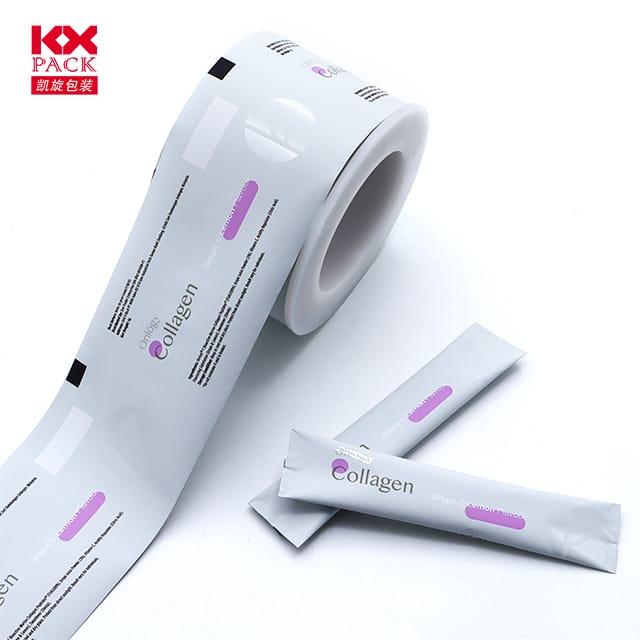
Flexible films packaging
Sa pabago -bagong mundo ng packaging, nababaluktot na packaging ng mga pelikula ay lumitaw bilang isang game-changer, Pag -reshap ng mga industriya mula sa pagkain at parmasyutiko hanggang sa personal na pangangalaga at logistik. Tinukoy ng magaan, naaangkop, at mga materyales na may mataas na pagganap, ang nababaluktot na packaging ngayon ay nagkakaroon ng malaking bahagi ng pandaigdigang pamilihan—tinatantya sa$270.96 Bilyon sa 2023 at inaasahang lalago sa aCagr ng 4.8% sa pamamagitan ng 2030. Ang pag-alon na ito ay hinihimok ng kakayahang matugunan ang mga umuusbong na pangangailangan ng consumer, mga panggigipit sa regulasyon, at mga layunin sa pagpapanatili. Tuklasin natin kung bakit ang mga flexible na pelikula ay nagiging solusyon sa packaging na pinili.
1. Mga Pangunahing Katangian: Bakit Namumukod-tangi ang Mga Flexible na Pelikulang
Flexible films packaging ay ininhinyero upang balansehin ang pag-andar at kahusayan. Kabilang sa kanilang mga tampok sa pagtukoy:
- Magaan at Portable: Hindi tulad ng mahigpit na packaging (Hal., salamin o metal), binabawasan ng mga flexible film ang materyal na paggamit at mga gastos sa transportasyon. Ang isang solong trak ng mga flexible na pelikula ay maaaring magdala ng katumbas ng 10 trak na puno ng mga garapon na salamin, pagbabawas ng carbon emissions.
- Proteksyon ng hadlang: Mga advanced na multilayer na istruktura—pinagsasama-sama ang mga polymer tulad ng polyethylene (PE), polypropylene (Bopp), o polyvinyl chloride (PVC) na may aluminum foil—lumikha ng hindi natatagusan na mga hadlang laban sa oxygen, kahalumigmigan, at liwanag. Pinapalawig nito ang shelf life para sa mga nabubulok tulad ng karne at keso hanggang sa 50% kumpara sa tradisyonal na packaging.
- Paglaban sa Temperatura: Ang mga flexible na pelikula ay lumalaban sa matinding kundisyon, mula sa mga supot na ligtas sa oven para sa mga pagkain na handa nang kainin hanggang sa mga pelikulang may gradong freezer para sa mga frozen na pagkain.
- Pagpapasadya: Maaaring iayon ang mga pelikula sa mga hugis ng produkto, pagliit ng basura at pag-maximize ng product-to-package ratios. Ang katumpakan na ito ay mahalaga para sa mga single-serve na meryenda, paggamot sa alagang hayop, at mga paltos ng parmasyutiko.
2. Mga Aplikasyon sa Industriya: Mula sa Pagkain hanggang sa Pharmaceutical
Flexible films packaging ay nakagambala sa maraming sektor sa pamamagitan ng pag-aalok ng cost-effective, mga solusyon na may mataas na pagganap:
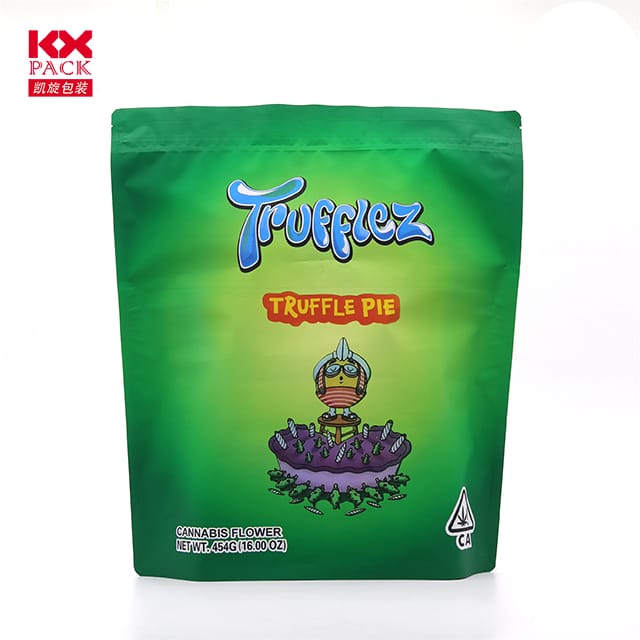
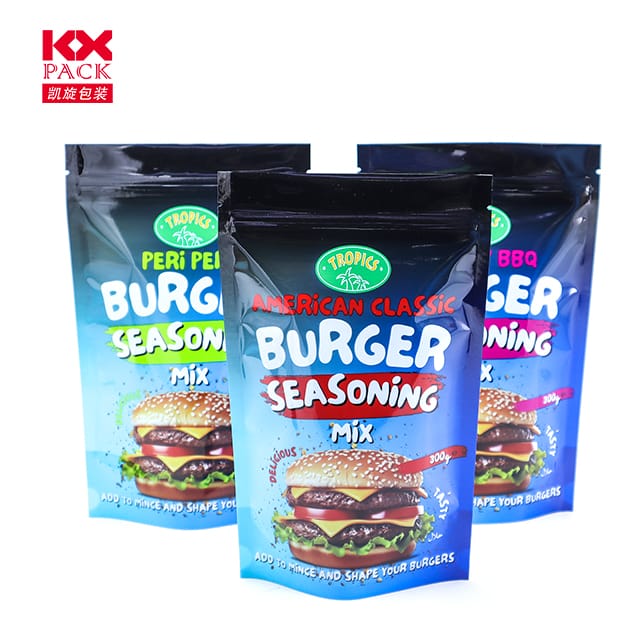
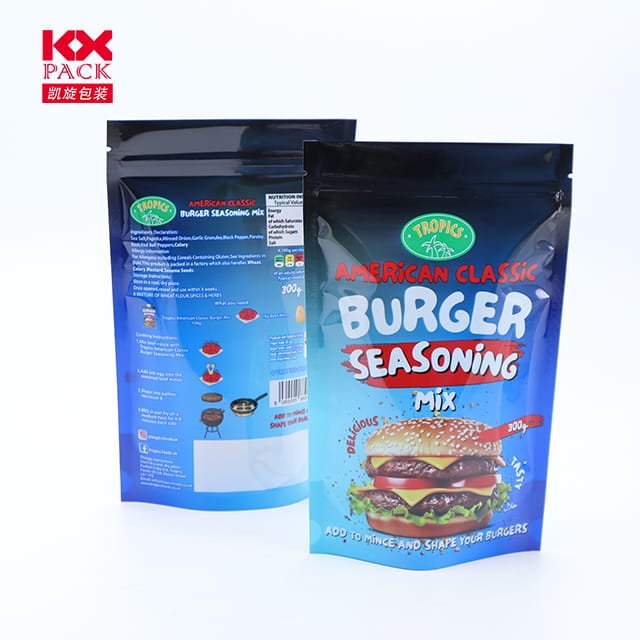
- Pagkain & Inumin: Ang pinakamalaking segment ng merkado, nangingibabaw ang mga flexible na pelikula sa packaging ng meryenda, Sariwang mga balot ng ani, at mga pagkain sa microwave. Halimbawa, Ang mga stand-up na pouch na may mga resealable zipper ay nagpapababa ng basura ng pagkain sa pamamagitan ng pagpapanatiling mas sariwa ang mga nilalaman nang mas matagal.
- Pagkain ng alagang hayop: Ang mga inobasyon tulad ng mga lightweight treat pack at bulk sack na may mga odor-barrier layer ay tumutugon sa mga kahilingan ng mga may-ari ng alagang hayop para sa kaginhawahan at pagiging bago.
- Pangangalaga sa Kalusugan & Botika: Sterile, Tinitiyak ng mga tamper-evident na blister pack at peelable na pouch ang kaligtasan ng droga at pagsunod sa mga mahigpit na pamantayan ng regulasyon.
- Logistik & E-commerce: Matibay, pinoprotektahan ng mga pelikulang lumalaban sa pagbutas ang mga kalakal sa panahon ng pagpapadala, habang ang mga shrink-wrap film ay nagse-secure ng mga pallet para sa mahusay na transportasyon.
3. Pagpapanatili: Ang Lakas ng Pagmamaneho sa Likod ng Pag-ampon
Habang tumataas ang mga alalahanin sa kapaligiran, ang mga flexible na pelikula ay umuunlad upang matugunan ang mga layunin sa pabilog na ekonomiya:
- Pinababang Carbon Footprint: Paggawa Flexible films packaging nangangailangan 60% mas kaunting enerhiya kaysa sa matibay na alternatibo tulad ng salamin. Ang kanilang magaan na katangian ay nakakabawas din ng pagkonsumo ng gasolina sa panahon ng pagpapadala.
- Mga Recyclable at Compostable na Opsyon: Mga inobasyon tulad ng mono-material na PE film at plant-based na compostable na pelikula (Hal., NATIVIA® ng Taghleef Industries) nakakakuha ng traksyon. Ginagamit na ngayon ng ilang brand 100% Nilalaman ng recycled sa kanilang mga pelikula.
- Pagbawas ng Basura: Flexible films packaging bumuo 80% mas kaunting basura sa landfill kaysa sa matibay na packaging dahil sa kanilang mahusay na paggamit ng materyal.
Gayunpaman, mananatili ang mga hamon. Mga pelikulang multi-layer, habang mataas ang pagganap, ay kadalasang hindi nare-recycle. Namumuhunan ang mga pinuno ng industriyaPag -recycle ng kemikal atmga advanced na teknolohiya sa pag-uuri upang matugunan ang puwang na ito.
4. Mga uso sa hinaharap: Ano ang Susunod para sa Mga Flexible na Pelikula?
Ang merkado ay nakahanda para sa pagbabagong paglago, hinimok ng:
- Smart Packaging: Pagsasama ng mga IoT sensor para masubaybayan ang pagiging bago o QR code para sa transparency ng supply chain.
- Mga Advanced na Pandikit at Substrate: Pinapabuti ng mga bagong lamination ang mga katangian ng hadlang nang hindi nagdaragdag ng kapal, pagpapagana ng thinner, mas malakas na mga pelikula.
- Pagsunod sa Regulasyon: Mas mahigpit na eco-laws (Hal., Ang solong paggamit ng plastik na EU) ay nagtutulak sa mga tatak na magpatibay ng mga napapanatiling pelikula.
- Consumer Convenience: Resealable, madaling buksan, at mga single-dose na disenyo ay tumutugon sa on-the-go na pamumuhay.
Konklusyon: Flexible Films bilang Kinabukasan ng Packaging
Ang flexible films packaging ay hindi na isang alternatibo lamang—ito ay isang pangangailangan para sa mga brand na naglalayong manatiling mapagkumpitensya sa isang mabilis na bilis., eco-conscious market. Sa pamamagitan ng pagsasama-sama ng pagbabago, pagpapanatili, at kakayahang magamit, ang mga materyales na ito ay muling tinutukoy kung paano pinoprotektahan ang mga produkto, ipinakita, at iniingatan. Habang umuunlad ang teknolohiya, asahan na ang mga flexible na pelikula ay magiging mas matalino pa, mas luntian, at higit na mahalaga sa mga pandaigdigang supply chain.
Handa nang yakapin ang hinaharap ng packaging? Kung ikaw ay may -ari ng tatak, tagagawa, o consumer, ang paglipat sa mga flexible na pelikula ay isang panalo para sa kahusayan, pagpapanatili, at ang ilalim na linya.
Mga mapagkukunan: Flexible Packaging Association, Mga Plastic ng AMI, Mga Industriya ng Taghleef, Mga Ulat sa Pananaliksik sa Market (2023–2030)