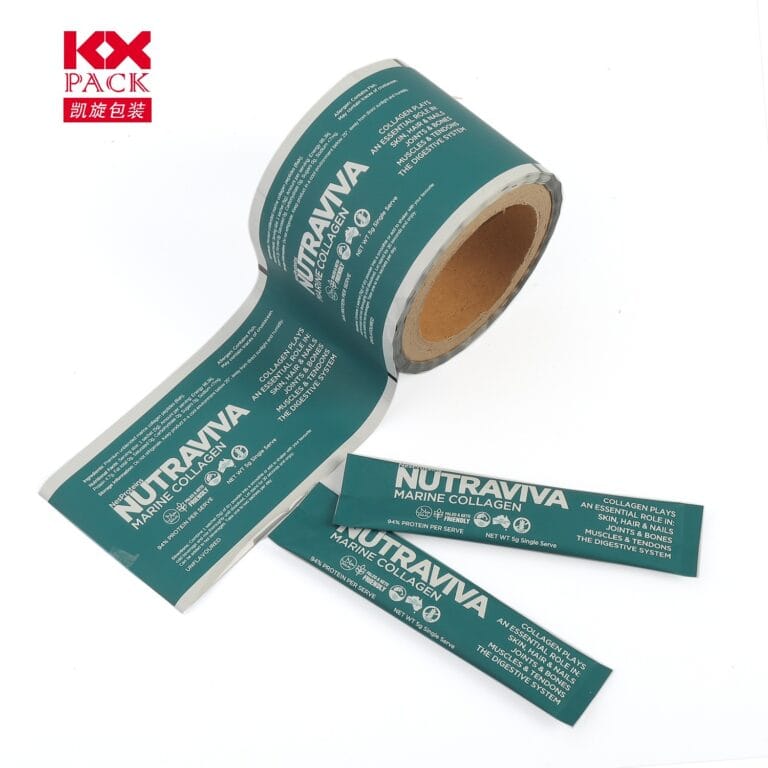
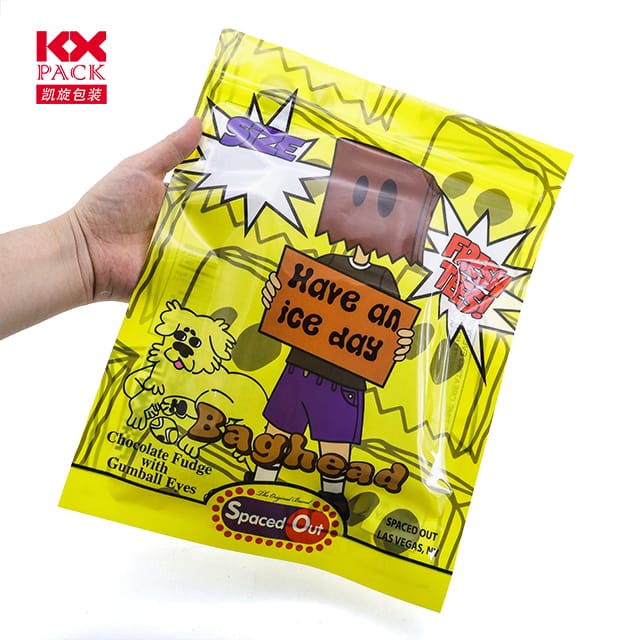
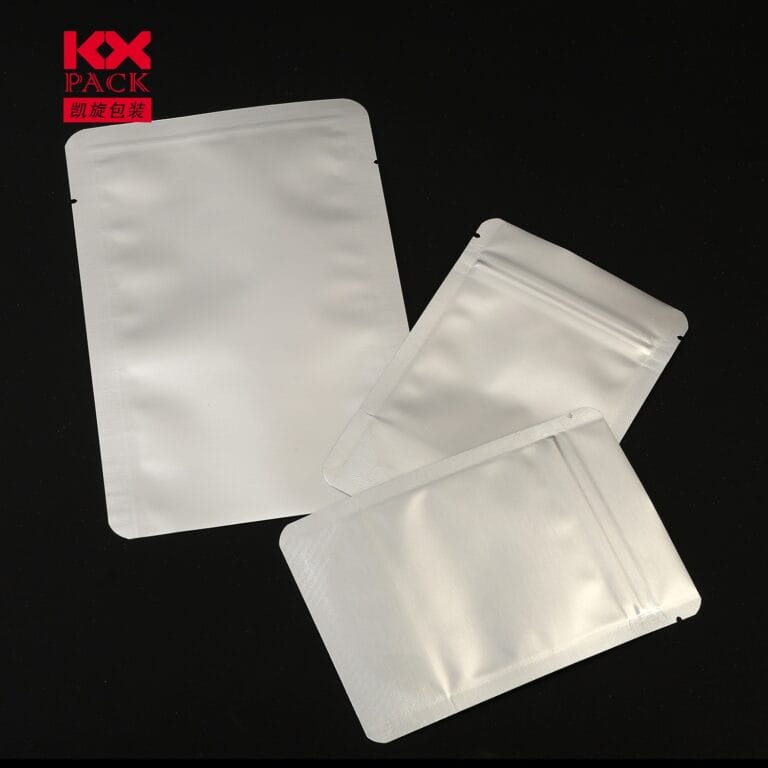
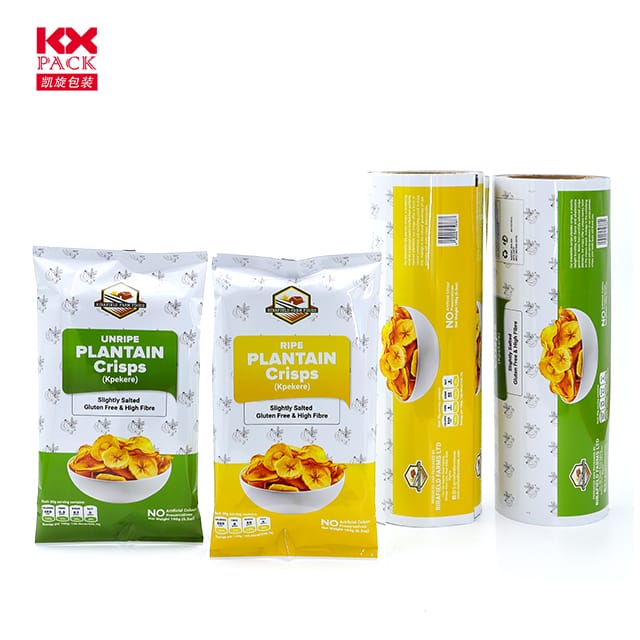
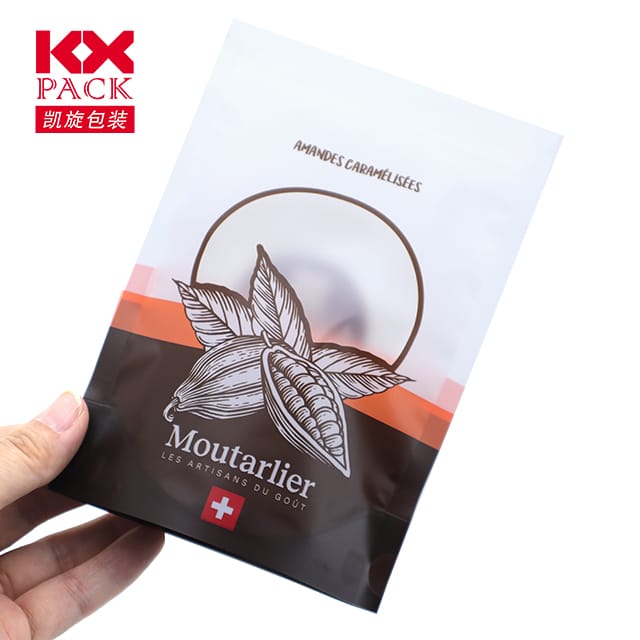
Lamination ng pelikula: Ang unsung bayani ng tibay at disenyo sa modernong pagmamanupaktura
Lamination ng pelikula
In a world where aesthetics meet functionality, Lamination ng pelikula has quietly become a cornerstone of product protection, panglabas na pagkahumaling, at kahabaan ng buhay. Mula sa makinis na mga screen ng smartphone hanggang sa matibay na pag -signage sa labas, Ang prosesong ito ay nagsasangkot ng pag -bonding ng isang manipis na plastik na pelikula sa isang ibabaw - maging papel nito, tela, metal, o baso - upang mapahusay ang mga pag -aari nito. Sumisid sa agham, Mga Aplikasyon, and innovations behind this versatile technique.
Ano ang lamination ng pelikula?
Film lamination is a finishing process where a protective or decorative film is applied to a substrate using heat, presyon, o adhesives. Ang resulta? A reinforced material that resists wear, Luha, kahalumigmigan, and UV damage while maintaining (or elevating) its visual quality.
Common types of laminating films include:
- Polyester (PET): Scratch-resistant and ideal for high-traffic surfaces.
- Polypropylene (PP): Flexible and cost-effective, often used for packaging.
- PVC: Durable and glossy, popular in graphic displays.
- Mga pelikulang biodegradable: Eco-friendly alternatives gaining traction in sustainable manufacturing.
Why Film Lamination Matters: Key Benefits
- Protection Against the Elements
Laminated films act as a shield against water, mga kemikal, at pag -abrasion. Halimbawa, outdoor banners laminated with UV-resistant films can withstand years of sunlight without fading. - Pinahusay na aesthetics
Ang mga pelikula ay pumasok sa matte, makintab, or textured finishes, allowing brands to customize their products. A matte laminate on a business card adds a premium feel, while a glossy film makes product labels pop on shelves. - Pinalawak na habang -buhay
By preventing scratches, luha, and discoloration, lamination reduces waste and replacement costs. This is crucial for industries like automotive (dashboard displays) and construction (waterproof membranes). - Safety and Hygiene
Sa packaging ng pagkain, laminated films create barriers against oxygen and moisture, pinapanatili ang pagiging bago. Medical devices use antimicrobial-coated films to meet strict hygiene standards.
Mga aplikasyon sa buong industriya
- Pagpi-print & Packaging: Books, Magazine, and food packaging rely on lamination for durability and visual appeal.
- Electronics: Smartphone screens, tablet covers, and TV displays use anti-glare or anti-fingerprint laminates.
- Automotiko: Dashboard panels, interior trims, and windshield overlays are laminated for heat resistance and clarity.
- Architecture: Glass facades and solar panels are laminated with safety films to prevent shattering.
- Fashion & Tela: Waterproof laminates turn fabrics into functional materials for outdoor gear.
Innovations in Film Lamination
Mabilis na umuusbong ang industriya, driven by sustainability and smart technology:
- Eco-Friendly Films: Companies are developing compostable and recyclable laminates to reduce plastic waste.
- Nanotechnology: Ultra-thin coatings (just nanometers thick) now offer self-cleaning, anti-fog, or conductive properties.
- Mga Smart Laminate: Films embedded with sensors or LEDs are transforming packaging into interactive displays.
- 3D Lamination: Curved surfaces, like car interiors or wearable devices, now benefit from seamless, bubble-free laminates.
Challenges and Solutions
Sa kabila ng mga pakinabang nito, film lamination faces hurdles:
- Adhesion Issues: Poor bonding can lead to peeling. Solution? Advanced primers and laser-assisted lamination.
- Mga alalahanin sa kapaligiran: Traditional laminates are hard to recycle. Biodegradable and water-based adhesives are paving the way for greener alternatives.
- Gastos: High-performance films can be pricey. Gayunpaman, their long-term durability often justifies the investment.
DIY vs. Professional Lamination
While home laminators exist for small projects (like ID cards or kids’ artwork), industrial lamination requires precision equipment. Factors like temperature control, roller pressure, and film thickness demand expertise to avoid bubbles, wrinkles, or uneven coverage.
Ang Hinaharap ng Lamination ng Pelikula
As demand for sustainable and high-tech materials grows, film lamination will continue to innovate. Expect to see:
- Pagsasama ng pabilog na ekonomiya: Films designed for easy recycling or reuse.
- Mga proseso na mahusay sa enerhiya: Low-temperature lamination to reduce energy consumption.
- Augmented Reality (AR) Laminates: Films that interact with smartphones to display digital content.
Pangwakas na pag -iisip: Film lamination is more than just a protective layer—it’s a bridge between functionality and design. Whether safeguarding a priceless artwork or adding a luxurious finish to a luxury product, this process quietly shapes the durability and beauty of our everyday lives.
Have you noticed laminated products in your daily routine? Share your favorites in the comments below! 🌍✨
Mga keyword: Lamination ng pelikula, protective films, sustainable manufacturing, Mga Application sa Pang -industriya, smart laminates.