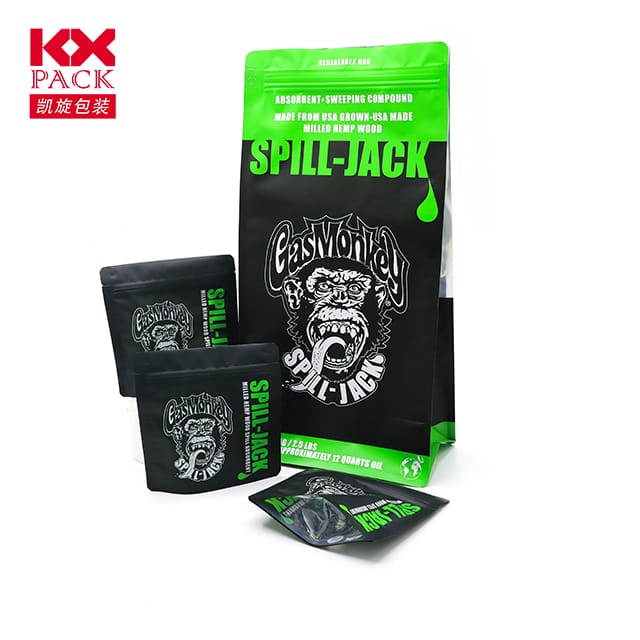
วิวัฒนาการและอนาคตของฟิล์มพลาสติกสำหรับบรรจุภัณฑ์: สร้างความสมดุลระหว่างนวัตกรรมและความยั่งยืน
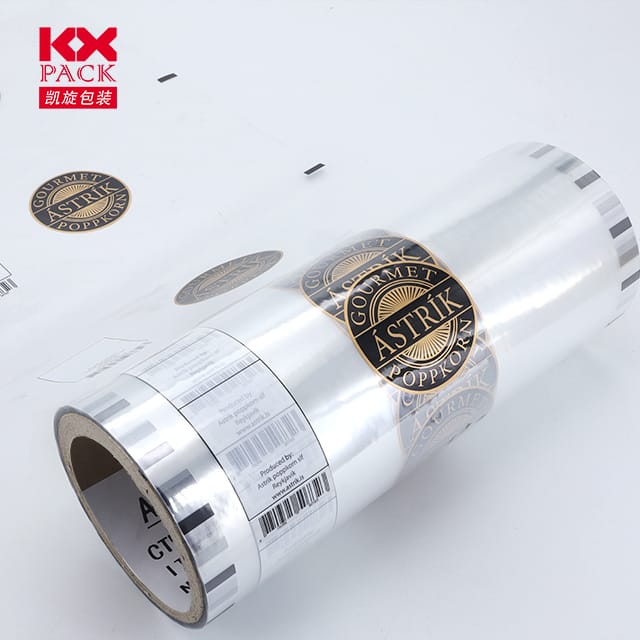
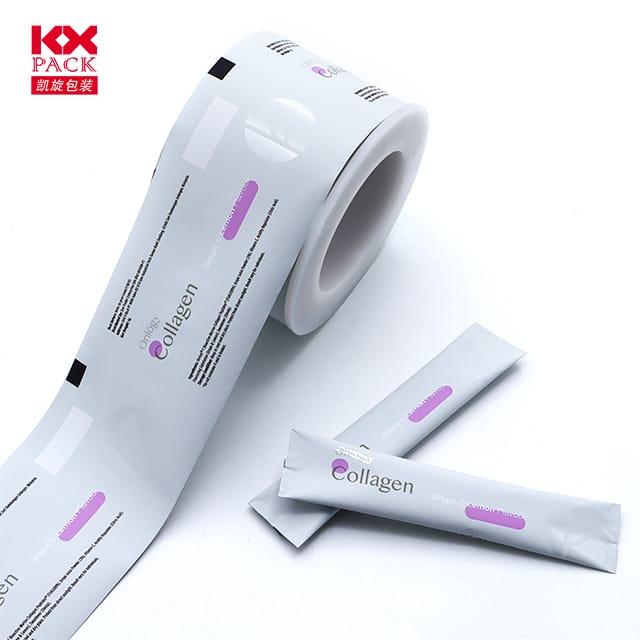
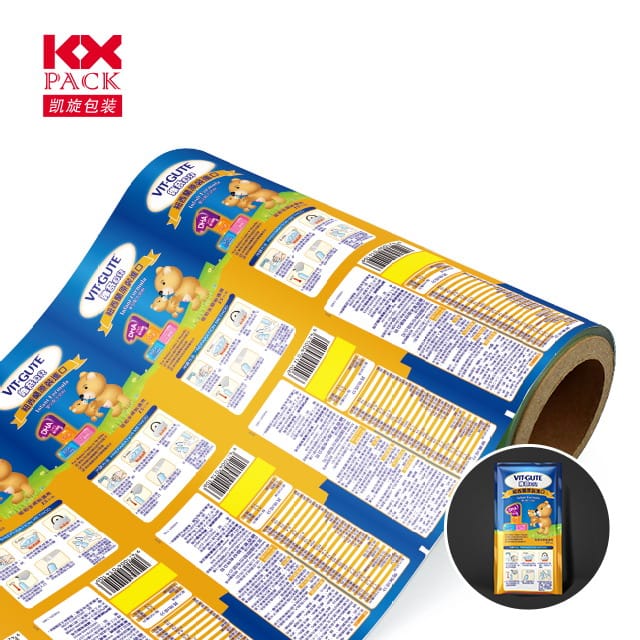
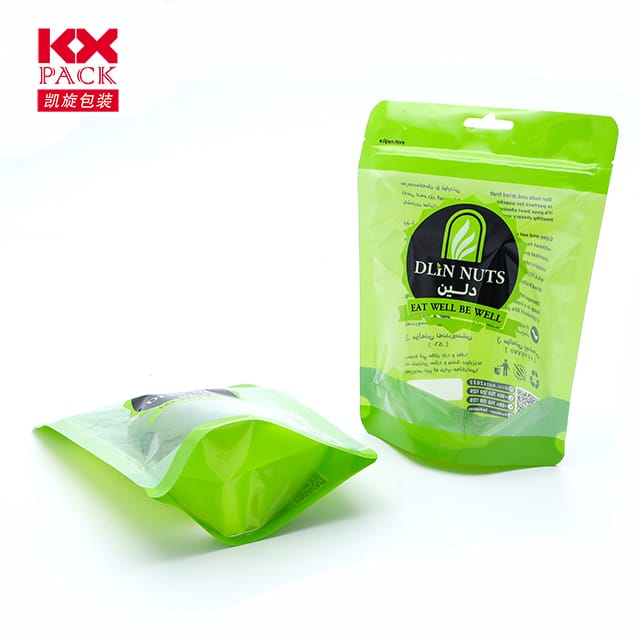
ฟิล์มพลาสติกสำหรับบรรจุภัณฑ์
ในภูมิทัศน์แบบไดนามิกของบรรจุภัณฑ์ที่ทันสมัย, ฟิล์มพลาสติกสำหรับบรรจุภัณฑ์ กลายเป็นวัตถุดิบที่ขาดไม่ได้, ปฏิวัติอุตสาหกรรมตั้งแต่อาหารและยาไปจนถึงการเกษตรและการก่อสร้าง. มีน้ำหนักเบา, ทนทาน, และธรรมชาติที่คุ้มต้นทุนได้ทำให้พวกเขากลายเป็นรากฐานสำคัญของห่วงโซ่อุปทานระดับโลก. อย่างไรก็ตาม, เมื่อความกังวลด้านสิ่งแวดล้อมทวีความรุนแรงมากขึ้น, ภาคบรรจุภัณฑ์เผชิญกับความท้าทายที่สำคัญ: ผสานคุณประโยชน์เชิงหน้าที่ของฟิล์มพลาสติกเข้ากับความต้องการความยั่งยืนอย่างเร่งด่วน.
1. ความอเนกประสงค์ของฟิล์มพลาสติกในบรรจุภัณฑ์
ฟิล์มพลาสติก, รวมทั้งเอทิลีน (วิชาพลศึกษา), โพรพิลีน (พีพี), โพลีเอสเตอร์ (สัตว์เลี้ยง), และโพลีเอไมด์ (ป้า), ครองตลาดบรรจุภัณฑ์เนื่องจากคุณสมบัติเฉพาะตัว:
- ฟิล์มพีอี: ขึ้นชื่อเรื่องความยืดหยุ่นและทนทานต่อความชื้น, แอลดีพีอี (เอทิลีนความหนาแน่นต่ำ) มีการใช้กันอย่างแพร่หลายในถุงช้อปปิ้งและวัสดุคลุมดินทางการเกษตร, ในขณะที่ HDPE (เอทิลีนความหนาแน่นสูง) ใช้งานได้ดีในงานหนัก เช่น ถุงขยะ.
- ฟิล์มพีพี: ทนทานต่อสารเคมีและซีลความร้อนได้ดีเยี่ยม, บอปป์ (โพรพิลีนเชิงแกนสองแกน) เป็นวัตถุดิบหลักในบรรจุภัณฑ์และฉลากขนม.
- ฟิล์ม PET: ได้รับการยกย่องในด้านความโปร่งใสและคุณสมบัติกั้น, ฟิล์ม PET มีความสำคัญอย่างยิ่งต่อการรักษาความสดของอาหารและปกป้องอุปกรณ์อิเล็กทรอนิกส์.
- ภาพยนตร์ที่ปรับปรุงสิ่งกีดขวาง: นวัตกรรมเช่น PET เคลือบซิลิกอนออกไซด์ หรือ คอมโพสิตหลายชั้น (เช่น, สัตว์เลี้ยง/อัล/PE) นำเสนออุปสรรคก๊าซและความชื้นที่เหนือกว่า, ยืดอายุการเก็บของเน่าเสียง่าย เช่น กาแฟ และเนื้อสัตว์(ฟิล์มพลาสติกสำหรับบรรจุภัณฑ์)
วัสดุเหล่านี้ไม่เพียงแต่ปกป้องผลิตภัณฑ์เท่านั้น แต่ยังช่วยให้การขนส่งมีประสิทธิภาพผ่านการออกแบบที่มีน้ำหนักเบาอีกด้วย, ลดการใช้เชื้อเพลิงระหว่างการขนส่ง.
2. ความจำเป็นด้านสิ่งแวดล้อม: คิดใหม่เกี่ยวกับฟิล์มพลาสติก
แม้จะมีข้อได้เปรียบก็ตาม, ฟิล์มพลาสติกแบบดั้งเดิมก่อให้เกิดความเสี่ยงต่อสิ่งแวดล้อมอย่างมาก. พลาสติกแบบใช้ครั้งเดียว, โดยเฉพาะในอีคอมเมิร์ซและอาหารจานด่วน, มีส่วนร่วม มลพิษทางทะเล และ การปนเปื้อนของไมโครพลาสติก. รายงานประมาณการว่าโดย 2030, ปริมาณการใช้พลาสติกทั่วโลกอาจเกินกว่านั้น 7 พันล้านตันต่อปี, ด้วยความตกใจ 50% ลงเอยด้วยการฝังกลบหรือระบบนิเวศ(ฟิล์มพลาสติกสำหรับบรรจุภัณฑ์)
ความท้าทายที่สำคัญ ได้แก่:
- การไม่ย่อยสลายทางชีวภาพ: พลาสติกธรรมดายังคงมีอยู่มานานหลายศตวรรษ, ทำร้ายสัตว์ป่าและระบบนิเวศ.
- การรีไซเคิลอุปสรรค์: คอมโพสิตหลายชั้น (เช่น, สัตว์เลี้ยง/อัล/PE) เป็นเรื่องยากที่จะรีไซเคิล, มักจะจบลงในเตาเผาขยะหรือหลุมฝังกลบ.
- แรงกดดันด้านกฎระเบียบ: รัฐบาลทั่วโลกกำลังบังคับใช้คำสั่งห้ามหรือภาษีสำหรับพลาสติกแบบใช้ครั้งเดียว, กระตุ้นให้อุตสาหกรรมนำทางเลือกอื่นมาใช้ (ฟิล์มพลาสติกสำหรับบรรจุภัณฑ์)
3. นวัตกรรมที่ผลักดันความยั่งยืน
เพื่อจัดการกับความท้าทายเหล่านี้, อุตสาหกรรมบรรจุภัณฑ์กำลังลงทุนโซลูชั่นที่เป็นมิตรต่อสิ่งแวดล้อม:
- ฟิล์มย่อยสลายได้ทางชีวภาพและย่อยสลายได้: วัสดุเช่น ปลา (กรดโพลีแลกติก), มาจากทรัพยากรหมุนเวียน, สลายตัวภายในไม่กี่เดือนภายใต้สภาวะการทำปุ๋ยหมักทางอุตสาหกรรม (ฟิล์มพลาสติกสำหรับบรรจุภัณฑ์)
- วัสดุเดี่ยวที่รีไซเคิลได้: ความก้าวหน้า ฟิล์ม PP หรือ PE วัสดุเดียว ทำให้การรีไซเคิลง่ายขึ้นโดยกำจัดชั้นที่เข้ากันไม่ได้.
- การเคลือบกั้นจากแหล่งพลังงานหมุนเวียน: การเคลือบที่ใช้น้ำหรือชั้นนาโนเซลลูโลสช่วยลดการพึ่งพาอุปสรรคจากปิโตรเลียม.
- สมาร์ทฟิล์ม: เปิดใช้งานด้วยรังสียูวี, ฟิล์มที่ไวต่อออกซิเจนช่วยเพิ่มความปลอดภัยของผลิตภัณฑ์ในขณะที่ลดของเสียให้เหลือน้อยที่สุด.
4. ถนนข้างหน้า: การเรียกร้องความร่วมมือ
การบรรลุอนาคตที่ยั่งยืนสำหรับฟิล์มพลาสติกจำเป็นต้องมีแนวทางผู้มีส่วนได้ส่วนเสียหลายฝ่าย:
- อุตสาหกรรม: จัดลำดับความสำคัญของ R&D เป็นวัสดุทรงกลมและการออกแบบเพื่อการรีไซเคิล.
- ผู้บริโภค: ใช้บรรจุภัณฑ์แบบใช้ซ้ำได้และสนับสนุนแบรนด์ที่มุ่งมั่นเพื่อความยั่งยืน.
- รัฐบาล: บังคับใช้มาตรฐานการออกแบบเชิงนิเวศน์ที่เข้มงวดและลงทุนในโครงสร้างพื้นฐานการรีไซเคิล.
- นักนวัตกรรม: สำรวจทางเลือกอื่นเช่น คอมโพสิตที่ทำจากไม้ไผ่ หรือ ภาพยนตร์ที่กินได้ สำหรับการใช้งานเฉพาะกลุ่ม.
บทสรุป: การสร้างความสมดุล
ฟิล์มพลาสติกสำหรับบรรจุภัณฑ์ยังคงไม่สามารถทดแทนได้ในการปกป้องผลิตภัณฑ์และลดของเสียในห่วงโซ่อุปทาน. อย่างไรก็ตาม, อนาคตของพวกเขาขึ้นอยู่กับนวัตกรรมและการดูแลอย่างรับผิดชอบ. โดยการนำวัสดุที่ย่อยสลายได้ทางชีวภาพ, การออกแบบที่สามารถรีไซเคิลได้, และหลักเศรษฐกิจหมุนเวียน, อุตสาหกรรมสามารถบรรเทาผลกระทบต่อสิ่งแวดล้อมในขณะที่ยังคงตอบสนองความต้องการทั่วโลก.
ในขณะที่ผู้บริโภคและธุรกิจให้ความสำคัญกับความยั่งยืนมากขึ้น, วิวัฒนาการของฟิล์มพลาสติกจะเป็นข้อพิสูจน์ถึงความเฉลียวฉลาดของมนุษย์ พิสูจน์ให้เห็นว่าความก้าวหน้าและการดูแลสิ่งแวดล้อมสามารถควบคู่กันได้.
คุณคิดอย่างไรเกี่ยวกับอนาคตของบรรจุภัณฑ์พลาสติก? แบ่งปันข้อมูลเชิงลึกของคุณในความคิดเห็นด้านล่าง! 🌍📦💡