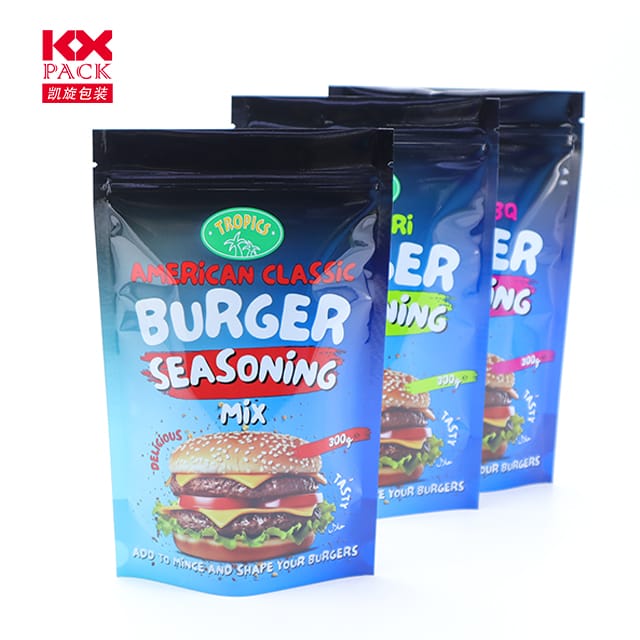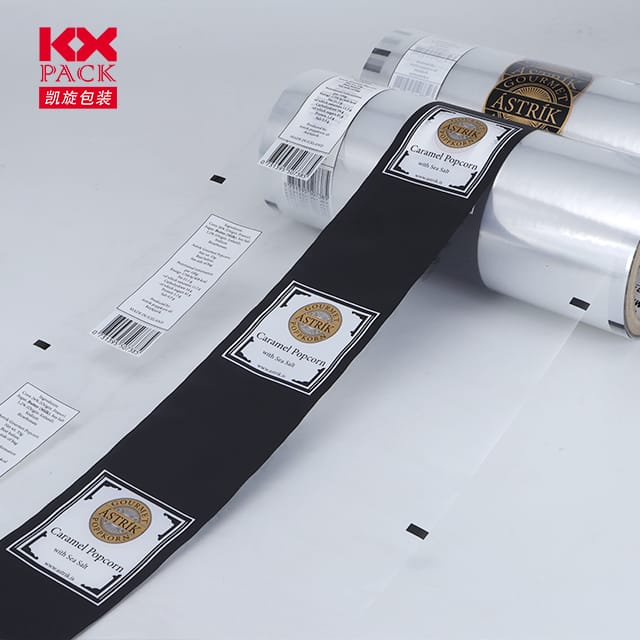
ประเภทฟิล์มบรรจุภัณฑ์แบบยืดหยุ่น: คู่มือที่ครอบคลุมสำหรับการใช้งานยุคใหม่
ฟิล์มบรรจุภัณฑ์แบบยืดหยุ่น
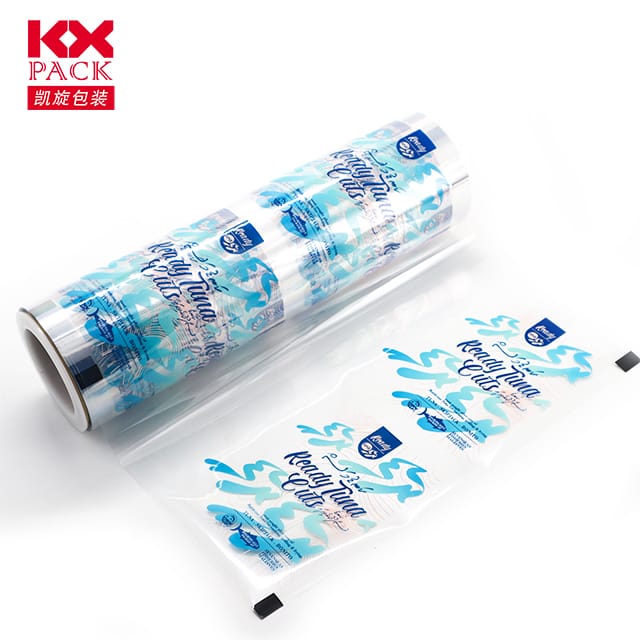
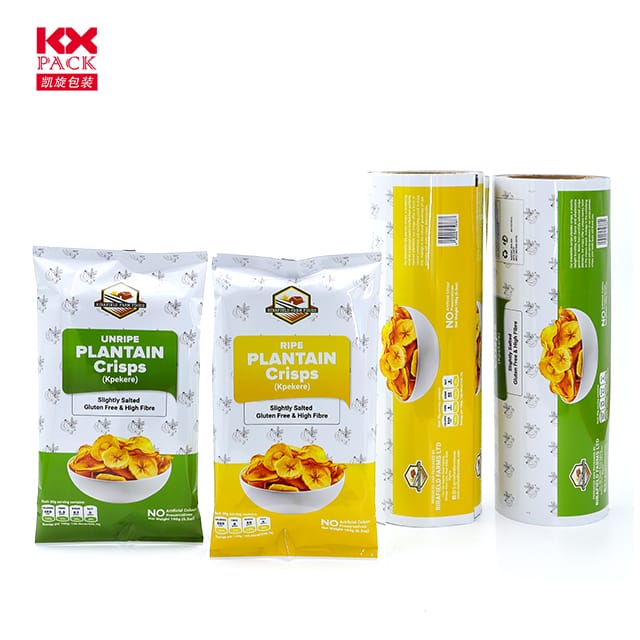
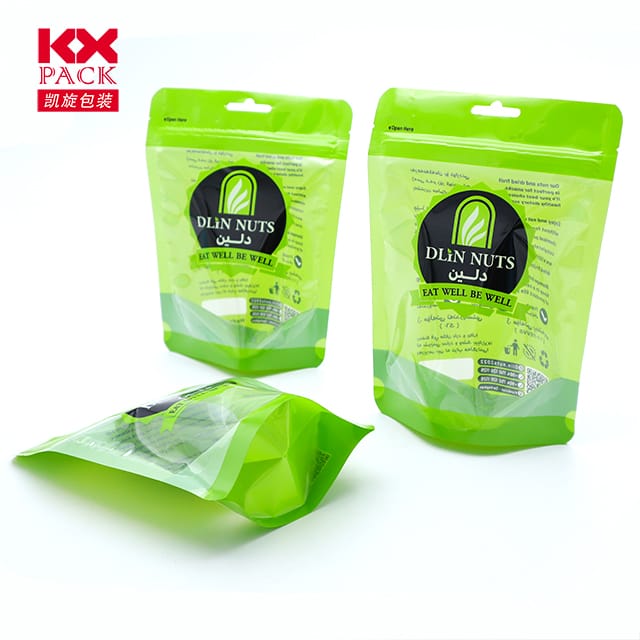
ในโลกที่หมุนไปอย่างรวดเร็วในปัจจุบัน, ฟิล์มบรรจุภัณฑ์แบบยืดหยุ่น has become a cornerstone of industries ranging from food and beverages to pharmaceuticals and personal care. ความเก่งกาจ, ความทนทาน, และความคุ้มค่าของฟิล์มยืดหยุ่นทำให้เหมาะสำหรับการปกป้องผลิตภัณฑ์ในขณะเดียวกันก็เพิ่มความน่าสนใจในการเก็บรักษา. อย่างไรก็ตาม, มีฟิล์มหลายประเภทให้เลือก, selecting the right option for your specific needs can be overwhelming. This guide explores the most common flexible packaging film types, their unique properties, และแอปพลิเคชัน.
1. เอทิลีน (วิชาพลศึกษา) ภาพยนตร์
Polyethylene is a workhorse in flexible packaging due to its exceptional flexibility, ความต้านทานสารเคมี, และคุณสมบัติกั้นความชื้น.
- ประเภท:
- แอลดีพีอี (PE ความหนาแน่นต่ำ): Offers high clarity and tear resistance, often used for shrink wraps and frozen food packaging.
- llde (Linear Low-Density PE): Stronger than LDPE, with superior puncture resistance, ideal for heavy-duty bags and industrial liners.
- เอชดีพีอี (PE ความหนาแน่นสูง): Rigid and opaque, used for bottles, ภาชนะบรรจุ, and non-food applications like detergent pouches.
- การใช้งาน: บรรจุภัณฑ์อาหาร, frozen goods, industrial liners, and agricultural films.
2. โพรพิลีน (พีพี) ภาพยนตร์
Known for its high melting point and stiffness, ฟิล์มบรรจุภัณฑ์แบบยืดหยุ่น are favored in applications requiring heat resistance.
- ประเภท:
- บอปป์ (Biaxially-Oriented PP): Glossy and transparent, used for snack packaging, ฉลาก, and overwrap.
- ซีพีพี (Cast PP): Heat-sealable and flexible, ideal for lid seals, Flow Wraps, and medical packaging.
- การใช้งาน: Microwaveable packaging, snack foods, ฉลาก, และอุปกรณ์การแพทย์.
3. โพลีเอสเตอร์ (สัตว์เลี้ยง) ภาพยนตร์
PET’s superior tensile strength, ความชัดเจน, and gas barrier properties make it a premium choice for products needing extended shelf life.
- ประเภท:
- BoPET (Biaxially-Oriented PET): High-gloss and dimensionally stable, used for printed laminates, อิเล็กทรอนิกส์, and coffee bags.
- APET (Amorphous PET): Transparent and formable, suitable for thermoformed trays and blisters.
- การใช้งาน: ขวดเครื่องดื่ม, food trays, อิเล็กทรอนิกส์, และเภสัชภัณฑ์.
4. อลูมิเนียมฟอยล์ลามิเนต
Aluminum foil provides unparalleled barrier protection against light, ออกซิเจน, และความชื้น, making it critical for sensitive products.
- โครงสร้าง: Often laminated with PE or PP for flexibility and heat-sealability.
- การใช้งาน: Coffee packets, อาหารสัตว์เลี้ยง, ผลิตภัณฑ์นม, and pharmaceutical blisters.
5. ฟิล์มย่อยสลายได้ทางชีวภาพ
As sustainability gains traction, biodegradable films made from PLA (กรดโพลีแลกติก), ภา (โพลีไฮดรอกซีอัลคาโนเอต), or starch-based materials are rising in popularity.
- ข้อดี: Compostable, ลดขยะพลาสติก.
- ความท้าทาย: Higher cost and sensitivity to moisture.
- การใช้งาน: ผลผลิตสด, organic snacks, และแบรนด์ที่ใส่ใจสิ่งแวดล้อม.
6. Nylon Films
Nylon’s exceptional puncture resistance and gas barrier properties suit it for high-performance applications.
- ประเภท: Oriented nylon (ONY) and cast nylon.
- การใช้งาน: Vacuum-packed meats, cheese packaging, and industrial parts.
Key Considerations for Selection
- Product Sensitivity: Choose films with high barriers for oxygen-sensitive items (เช่น, กาแฟ, ถั่ว).
- Temperature Requirements: ฟิล์มบรรจุภัณฑ์แบบยืดหยุ่น or nylon for heat resistance; PE for cold storage.
- Sustainability Goals: Opt for biodegradable or recyclable materials.
- ประสิทธิภาพต้นทุน: Balance performance with budget—e.g., PET for premium products vs. PE for cost-sensitive markets.
แนวโน้มตลาด
- ความยั่งยืน: Brands are increasingly adopting biodegradable and recyclable films to meet eco-conscious consumer demands.
- นวัตกรรม: Advances in nanotechnology and smart packaging (เช่น, ตัวบ่งชี้อุณหภูมิเวลา) are enhancing functionality.
- การปฏิบัติตามกฎระเบียบ: การปฏิบัติตามอย, สหภาพยุโรป, and local regulations for food contact and recyclability is non-negotiable.
บทสรุป
Selecting the right flexible packaging film is a blend of science and strategy. By understanding material properties, application requirements, และแนวโน้มของตลาด, businesses can optimize product protection, อายุการเก็บรักษา, และการดึงดูดแบรนด์. As the industry evolves toward greener solutions, staying informed about biodegradable alternatives and innovative technologies will be key to future-proofing your packaging strategy.
Whether you’re packaging perishable goods, เวชภัณฑ์, or industrial components, the perfect film exists—it’s just a matter of knowing where to look!