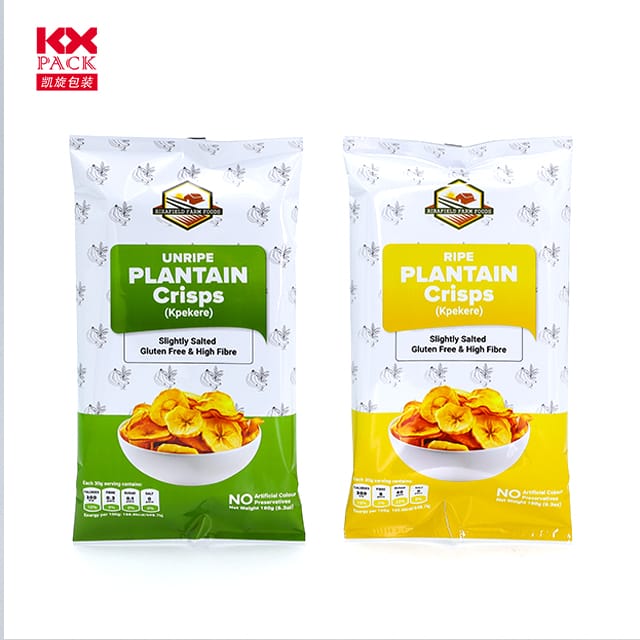
O le pelu Mata-lua o Ata Palasitika i le afifiina o Mea'ai: Faigofie vs. Mauaina
Ata Palasitika
In supermarkets worldwide, o ata palasitika e afifi ai mea uma mai i fua fou e o'o i mea'ai na mua'i vela, fa'amautinoaina le fou ma fa'alautele le ola. Ae peitai, a'o fa'atupula'ia atugaluga tau si'osi'omaga, nei manino, mea eseese e feagai ma su'esu'ega. Se'i o tatou su'esu'e le matafaioi a ata palasitika i le afifiina o meaai, o latou manuia, faaletonu, ma mea fou e fausia ai se lumana'i lanumeamata.
1. Why Plastic Films Dominate Food Packaging
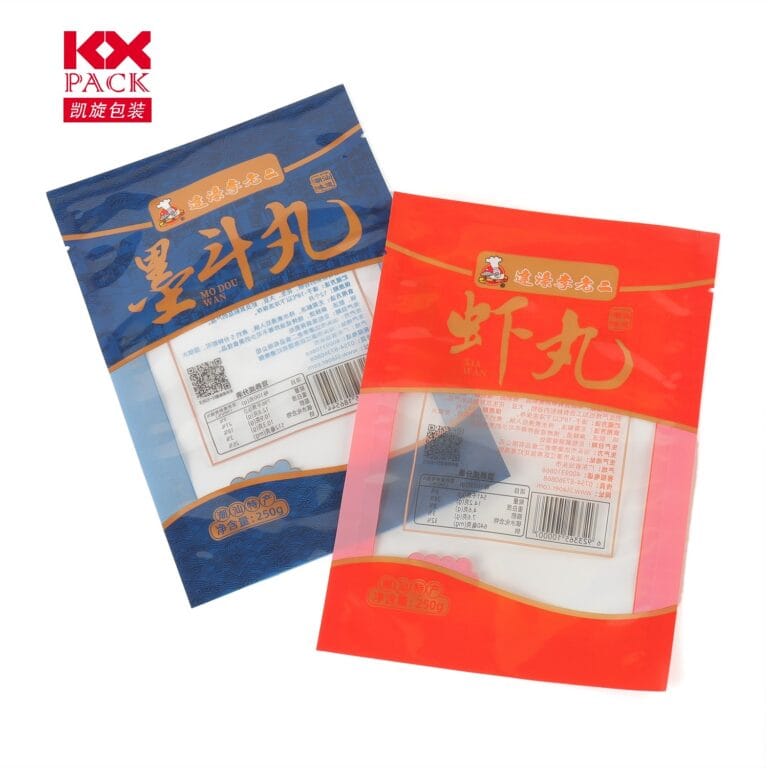
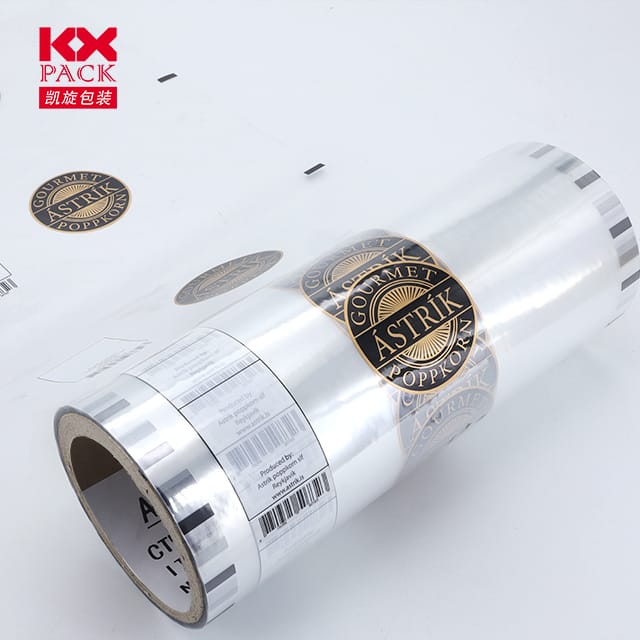
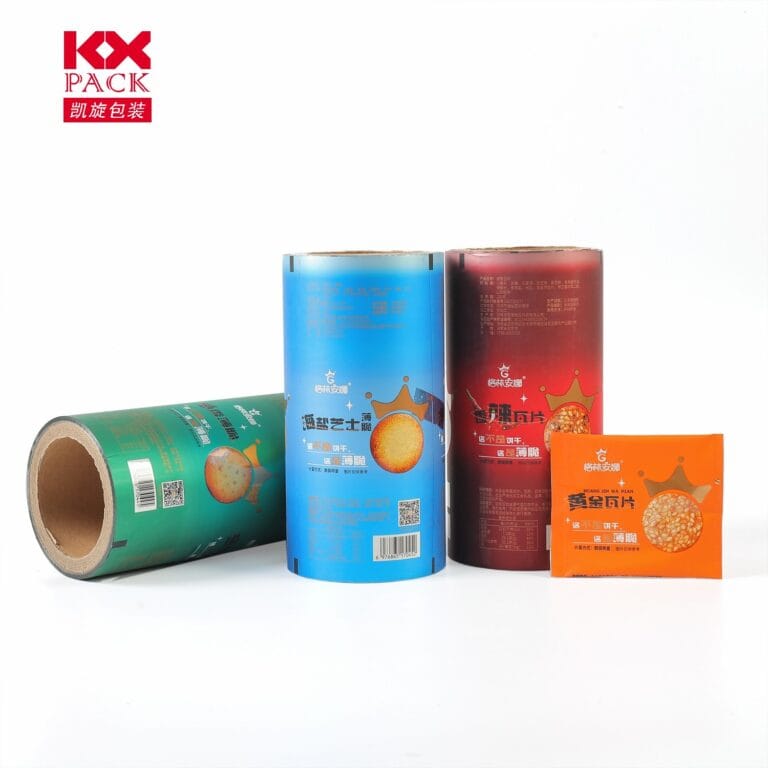
Plastic films—thin layers of polymers likepolyethylene (PE), polypropylene (PP), ma polyvinyl chloride (PVC)—are ubiquitous for good reason:
- Mana Faasao: They act as barriers against oxygen, susu, ma tagata vaivai, slowing spoilage. Faataitaiga, Suiga o le siosiomaga Parmospher (FA'ATAU) uses plastic films to regulate gas levels, keeping strawberries fresh for weeks.
- Tau-Lelei: Producing plastic films is cheaper than alternatives like glass or metal, making them ideal for mass-market goods.
- Malamalama ma fetuu: Their malleability allows custom shapes for snacks, mea'ai, ma sisi, reducing material waste compared to rigid packaging.
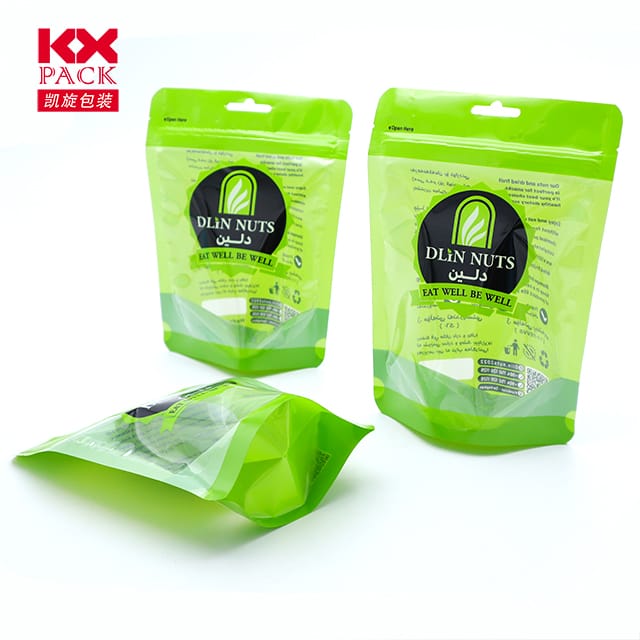
- Malamalama: Clear films let consumers inspect products without opening them, boosting trust and reducing food waste from damaged goods.
2. O Tol Siosiomaga: A Crisis in the Making
E ui i lo latou lelei, plastic films contribute significantly to global pollution:
- Tasi-faaaoga pule: Over 80% of plastic films are used once and discarded, fa'ai'u i uta i uta po'o sami. A 2022 study found that plastic packaging accounts for 46% o otaota palasitika lalolagi, with films being a major culprit.
- Tofotofoina luitau: Most films are non-recyclable due to contamination (e.g., food residue) or mixed materials (e.g., PE combined with adhesives). Na'o 4% of plastic films are recycled in the U.S., per the EPA.
- Microplastic city: Degraded films break into microplastics, infiltrating ecosystems and even human bodies. Research suggests the average person ingests 5 kalama o microplastics i vaiaso ta'itasi—equivalent to a credit card.
3. Innovations Redefining Plastic Films
The industry is pivoting toward sustainability through these breakthroughs:
- Su'ega Biodegradable:
- Polylactic acid (PLA): Derived from corn starch, PLA films decompose in industrial composters within 90 aso. Brands pei Natura atuatuvale are using PLA for fresh salads and sandwiches.
- Cellulose-based Films: Made from plant fibers, these films are edible and home-compostable. Kamupani pei Ituaiga offer compostable wraps for granola bars and coffee pods.
- Alualu i luma masani i tekinolosi tekinolosi:
- Vailaau toe totogi: Processes like pyrolysis break down mixed plastics into raw materials for new films. Nestlé and Danone are investing in this tech to recycle flexible packaging.
- Enzymatic Breakdown: Amataga pei Carbios use enzymes to depolymerize PET films into reusable monomers, closing the loop.
- Smart Films for Extended Shelf Life:
- Fa'ato'aga Fa'auma: Films infused with okesene scavengers pe Atimeicroborn sooupu (e.g., silver nanoparticles) can double the lifespan of perishables like meat and cheese.
- Fa'aliga Fa'ai: Thin layers of chitosan (from shellfish) pe beeswax create breathable barriers, reducing reliance on synthetic plastics.
4. O le auala i luma: Balancing Practicality and Planet
While innovations are promising, systemic changes are needed:
- Faiga Fa'avae: Governments must enforce extended producer responsibility (EPR) laws, requiring brands to fund recycling infrastructure. The EU’s Tasi-faaaoga Plastics faatonuga bans non-compostable films by 2030.
- Consumer Behavior Shifts: Educating shoppers to opt for reusable containers or bulk purchases can cut film use. Zero-waste stores, which allow customers to fill their own jars, o maua le malosi.
- Industry Collaboration: Adacestis pei o le O le New Plasttics Tamaoaiga Global Accul unite 500+ companies to eliminate problematic plastics and boost recycled content in films.
Fa'ai'uga: Rethinking the “Wrap” on Food Packaging
Plastic films are a testament to human ingenuity—protecting food, faaitiitia otaota, and enabling global food trade. Ae peitai, their environmental cost demands urgent action. E ala i le taliaina o mea e mafai ona pala, investing in recycling tech, and redesigning systems for circularity, we can preserve both convenience and the planet.
Next time you unwrap a snack, fesili ia te oe lava: Could this film be part of the solution, not the problem? Share your sustainable packaging hacks in the comments! 🌍🍴