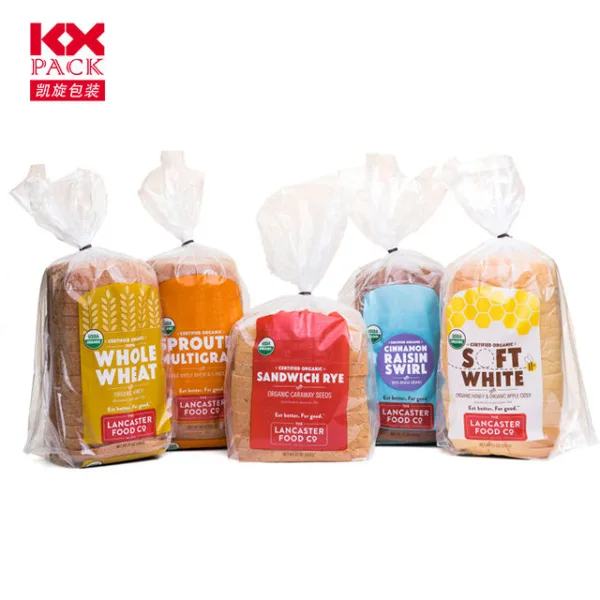
2025 Mai mea mata i oloa uma: Tuʻu le 360 ° uiga lelei faʻatonutonuina o se falaoa ato fale gaosi
A e piki i luga se mea fou mumu, o le falaoa ato o lona muamua “puipuiga”—and behind this simple packaging lies a strict quality journey that starts with Mai mea mata to finished products. O la matou fale gaosiga o le 360 ° uiga lelei, built around the principle of Mai mea mata to end, Mautinoa uma ato e saogalemu, tumau, and up to global standards. Let’s break down the key steps of this Mai mea mata-to-finished process!
🌱 1. Raw Material Selection: The Core of “From Raw Materials to Finished” Quality
Raw materials are the starting line of our Mai mea mata-driven quality control—we focus on two main options: food-grade PE ma kraft paper, both screened to meet the highest safety benchmarks.
For Food-Grade PE (Polythylene):
✅ Only source from suppliers with FDA & SGS certifications—this is the first checkpoint in our Mai mea mata faiga (global food safety standards non-negotiable).
✅ 3-step inspection before factory entry (a must for Mai mea mata uiga lelei):
- Check certification docs to confirm compliance with food contact material rules (no shortcuts in Mai mea mata screening).
- Laboratory sensory test: No strange smells, discoloration, or impurities (even a tiny black spot = rejection—we don’t compromise on Mai mea mata uiga lelei).
- Migration test: Soak PE film in simulated food solution (E.g., acetic acid for acidic foods) at 40°C for 24h—test for heavy metals/plasticizers (critical for Mai mea mata saogalemu).
✅ Must meet China’s GB 4806.7-2016 standard (food contact plastics) to move from Mai mea mata stage to production.
For Kraft Paper (Premium Bread Packaging):
🌿 Prioritize 100% recycled fibers with FSC certification—eco-friendliness is part of our Mai mea mata criteria (no toxic additives allowed).
✅ Random sampling tests (key for Mai mea mata consistency):
- Basis weight: Minimum 80g/m² (prevents tearing when holding bread—durability starts at Mai mea mata).
- Moisture content: 8%-12% (too wet = mold; too dry = brittleness—we control this at Mai mea mata stage).
- Grease resistance test: Apply edible oil, observe 24h—no seepage allowed (seepage ruins bread texture, so we eliminate this risk at Mai mea mata).
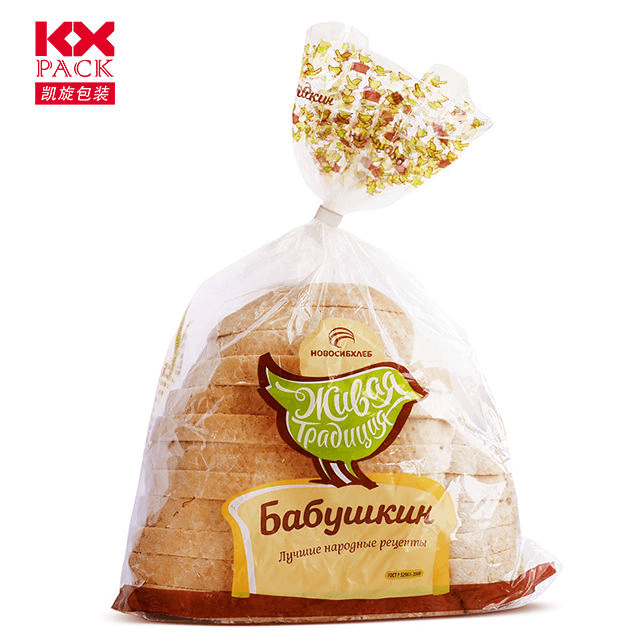
🎨 2. Printing Ink Testing: Safe & Beautiful—A Link Between From Raw Materials and Finished
After passing Mai mea mata checks, the next step is printing—and ink safety is as critical as raw material quality. We follow a “zero-toxic ink” rule to keep the Mai mea mata-to-finished chain safe.
✅ Only use water-based ink (no VOCs = non-toxic, leai se manogi, no harmful residue; unlike solvent-based inks—this choice aligns with our Mai mea mata safety standards).
✅ Pre-use third-party lab tests: Heavy metals (lead, mercury, cadmium) and benzene compounds must be “undetectable”—we treat ink like a raw material in our Mai mea mata mindset.
✅ Real-time printing inspections (every 30 minutes):
- Ink adhesion test: Wrap sample around 500g weight, rub 20x on white paper—no ink transfer (adjust pressure/temp if needed; this ensures the print lasts from Mai mea mata to customer use).
- Printing accuracy: Use calipers to check logo-edge distance—tolerance ±0.5mm (avoids misprints hurting brand image; precision matters as much as Mai mea mata uiga lelei).
✅ “Safe distance” rule: Printed area ≥1cm from the bag’s inner surface (for direct bread contact—extends the Mai mea mata safety promise to the final design).
✅ Extra protection for transparent PE bags: Add a food-grade film between ink and bread (prevents ink migration—another layer of safety in the Mai mea mata-to-finished process).

💪 3. Pressure Resistance Testing: Durable for Real Life—Protecting the From Raw Materials Investment
The durability of a bread bag depends not just on Mai mea mata uiga lelei, but also on how well it holds up in real use. We simulate real scenarios to ensure the Mai mea mata effort doesn’t go to waste.
✅ Use a computer-controlled pressure tester:
- Pick 50 random samples per batch (from different production line parts for fairness—we test the consistency of the Mai mea mata-to-production process).
- Seal bag openings (simulate full bread), apply gradual pressure:
- Regular bags (500g-1kg bread): Withstand 200N (≈20kg weight) for 60s—no breaking/leaking (durability that honors Mai mea mata standards).
- Large bags (2kg+ bread): Withstand 300N (higher strength for heavier loads—built on reliable Mai mea mata).
✅ Dynamic durability test (simulate delivery):
- Fill bags with sandbags (same shape/weight as bread—mimics real use of the Mai mea mata-made bag).
- Put in vibration tester (5Hz frequency, 10mm amplitude) for 2h (mimics truck bumps—tests if the bag stays intact after Mai mea mata and production).
- Check seams for damage/deformation—1 failed sample = batch on hold (fix material/sealing, retest until pass—we don’t let poor production undo Mai mea mata uiga lelei).
🔍 4. Beyond Key Links: Full-Lifecycle Quality—Completing the From Raw Materials to Finished Journey
Our 360° process doesn’t stop at core steps—we check until the final bag to ensure the Mai mea mata-to-finished journey ends with excellence.
✅ Finished product visual inspection:
- Use light tables to spot 0.1mm pinholes (tiny holes = freshness loss—we catch this before the Mai mea mata-made bag reaches customers).
- Check for uneven sealing or dirty marks (no flaws allowed in the final product of our Mai mea mata faiga).
✅ Freshness retention test:
- Put a bread slice in the bag, faamaufaailoga, store at 25°C for 3 days.
- Ensure bread stays soft + no mold (tests airtightness/moisture control—proves the Mai mea mata and production work together to keep bread fresh).
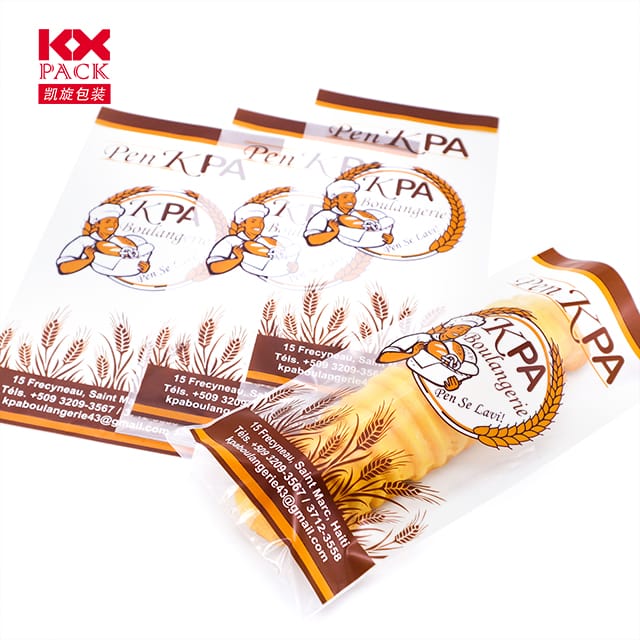
❤️ Why This Matters: From Raw Materials to Trust
Quality control isn’t just procedures—it’s a mindset centered on Mai mea mata to finished excellence. Every bread bag connects bakeries to customers, so its safety and durability (rooted in Mai mea mata uiga lelei) directly affect your brand reputation.
If you’re a bakery owner/buyer, visit our factory! See our Mai mea mata fale teu oloa, lab tests, and production checks firsthand—partner with a factory that builds quality from Mai mea mata to the very last bag.