Palota palasitika ata afifi: Le lumanaʻi o le SMART, Tumau, ma Viapale afifiina
Palota palasitika ata afifi
I se lalolagi pe a faigofie, gafataulimaina, ma tulaga ese o le tulaga, afifiina ata tifaga palasitika fetuutuunai has emerged as a revolutionary solution. Mai meaʻai ma vailaʻau oona i le eletise ma e-pisinisi, O lenei mama, O mea e fetuutuunai ai o loʻo toe faʻafoʻi mai le auala e puipuia ai oloa, avatu, ma fa'aumatia. Let’s dive into why flexible plastic films are dominating the packaging industry—and how they’re evolving to meet tomorrow’s challenges.
Why Flexible Plastic Film Packaging? O Manuia Autu
1. Tatala faatatau i le
Flexible plastic films—such asBOPP (BIAXIXINE TOREADERS Pongpropylene), PET (Polyethylene Terephthalate), ma le pe (Polyethylene)—can be engineered to meet diverse needs:
- Barrier puipuiga: Multi-layer films block oxygen, susu, ma uv moli, extending shelf life by up to 50% for perishables like snacks and coffee.
- Formability: Thermoformable films mold precisely around products, reducing material waste compared to rigid packaging.
- Malamalama & Lomitusi: O ata tifaga manino e fa'aalia oloa, while high-definition printing options (e.g., Flepxography, numera, po o le kalave) enable vibrant branding without labels.
2. Sustainability in Focus
Le lalolagi Palota palasitika ata afifi maketi, faatauaina i le $341.6 piliona e 2028, is driven by eco-conscious innovations:
- Recycled ata tifaga: Fa'ameamea e tasi (e.g., Uma-Pousches) are easier to recycle than traditional multi-layer laminates.
- O filifiliga biodegravable: Ata na faia mai PLA (Polylactic Acid) pe PHA (Polyhydroxyalkanoates) decompose within 6–18 months under industrial composting.
- Malamalama lelei: Flexible films use 70% less plastic than rigid alternatives, cutting transportation emissions and material costs.
3. Tau-Tauleleia & Mogafagafa
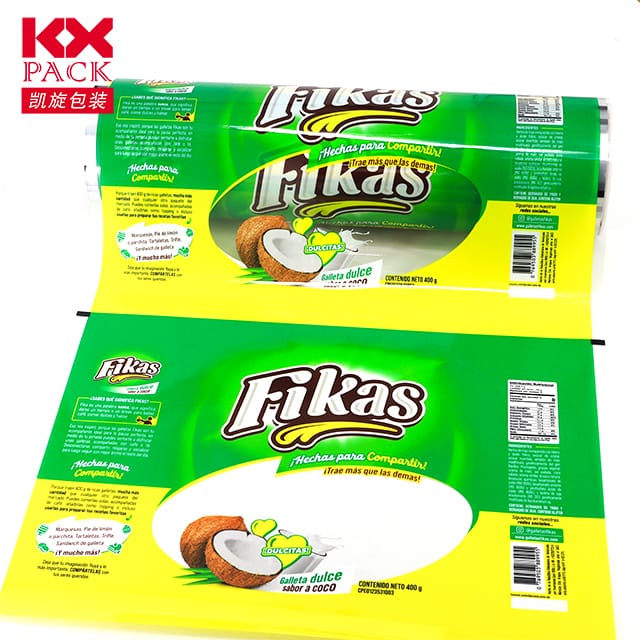
- Production Speed: High-speed flexographic printing (i luga 1,500 feet per minute) makes flexible films ideal for mass-market brands.
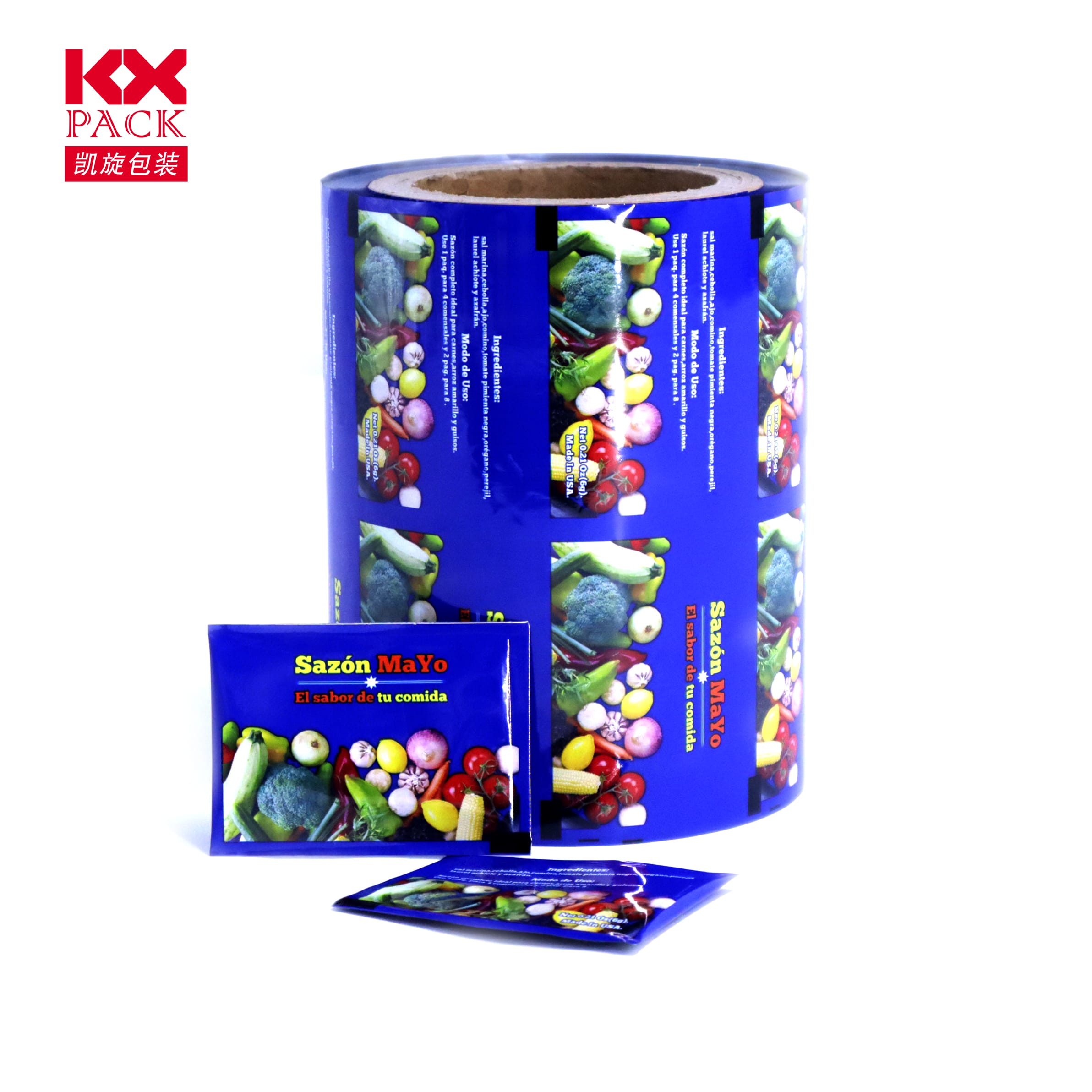
- Reduced Storage Costs: Rolls of film occupy 80% less space than pre-formed containers, optimizing warehouse efficiency.
- Luga o le manaʻoga faʻapitoa: Digital printing enables small-batch runs with zero setup costs, perfect for niche products or seasonal campaigns.
Pepa Aunoa i luga o Alamanuia
1. Mea'ai & Meainu
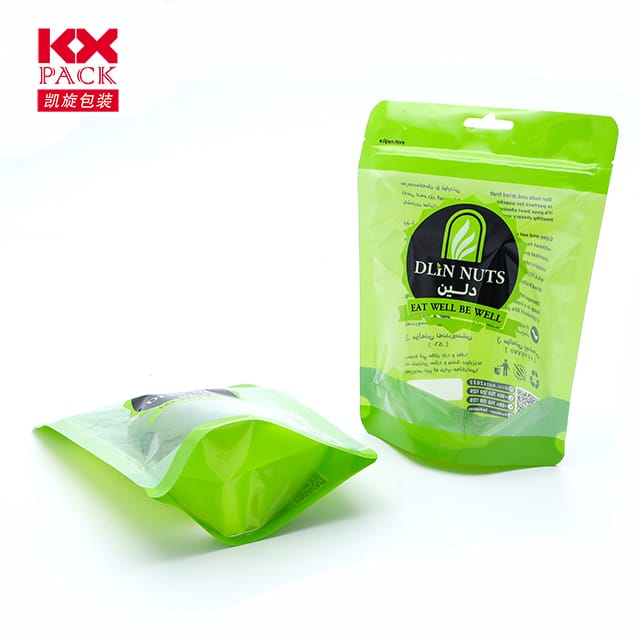
- Pepa Tutu: Replacing cans and jars for soups, nati, ma meaai fagafao, these pouches use 60% itiiti meafaitino and feature resealable zippers.
- Suia Atmosphere Packaging (FA'ATAU): Films with oxygen scavengers preserve freshness for meats and produce.
- Retort Pouches: Sterilizable films withstand high temperatures, fa'amautinoa le saogalemu mo mea'ai ua saunia.
2. Falema'i & Soifua lelei
- Child-Resistant Pouches: Palota palasitika ata afifi with tamper-evident seals meet safety regulations for medications.
- Cold-Form Blister Packs: Aluminum-laminated films protect light-sensitive drugs from degradation.
3. E-Commerce & Logistics
- Air Cushion Films: Inflatable plastic films replace Styrofoam peanuts, reducing shipping damage by 90%.
- Anti-Static Films: Safeguard electronics from electrostatic discharge during transit.
Technological Innovations Driving the Market
1. Tu'ufa'atasiga Fa'apipi'i Atamai
- NFC Tags & QR Codes: Embedded in films, these enable consumers to scan for product authenticity, fa'atonuga toe fa'aaogaina, or promotional content.
- Fa'ailoga Taimi-Sua (TTI): Color-changing labels on perishable goods alert retailers to spoilage risks.
2. Advanced Manufacturing Techniques
- Nano-Coatings: Ultra-thin layers enhance barrier properties without adding weight.
- Fa'ailoga leisa: Precision cuts allow easy opening while maintaining package integrity during shipping.
3. Fofo o le Tamaoaiga Circular
- Vailaau toe totogi: Breaks down mixed plastics into reusable monomers, fa'aagaaga fa'amaufa'ailoga toe fa'aaogā.
- Upcycling Initiatives: Kamupani pei Lafo ma Amcor are converting post-consumer films into new Palota palasitika ata afifi meafaitino.
Lu'itau & Meaalofa i le lumanaʻi
1. Toe fa'aaogaina Vaevae o Atina'e
Na'o14% o afifi fetu'utu'una'i ua toe fa'aaogaina i le lalolagi atoa, largely due to contamination and lack of collection systems. Solutions include:
- Standardized Labeling: Clear recycling instructions to educate consumers.
- Deposit Return Schemes (DRS): Incentivizing returns of used films.
2. Fa'atonu Fa'atonu
O malo e tatau ona lagolagoina tulafono autu i le tasi-faaaoga plastics. Faataitaiga, leO le EU's nofofua-faʻaaoga Plastics faʻatonuina fa'asa ata tifaga e le toe fa'aaogaina e 2030.
3. The Rise of Bio-Based Alternatives
By 2030,30% of flexible films are expected to be plant-derived, reducing reliance on fossil fuels.
Fa'ai'uga: Flexibility Is the Future
Flexible plastic film packaging isn’t just a trend—it’s a strategic imperative for brands aiming to balance performance, gafataulimaina, ma tau. As innovations likesmart sensors, mea taua, and closed-loop recycling gain traction, o avanoa e le gata.
Mo pisinisi: Embrace flexibility by partnering with suppliers who prioritize circular design and transparent sustainability reporting.
Mo tagata fa'atau: Look for brands using recyclable or compostable films, and recycle properly to close the loop.
The packaging revolution is here—and it’s flexible. 🌱✨
What’s your favorite example of innovative flexible packaging? Faasoa ou mafaufauga i lalo!