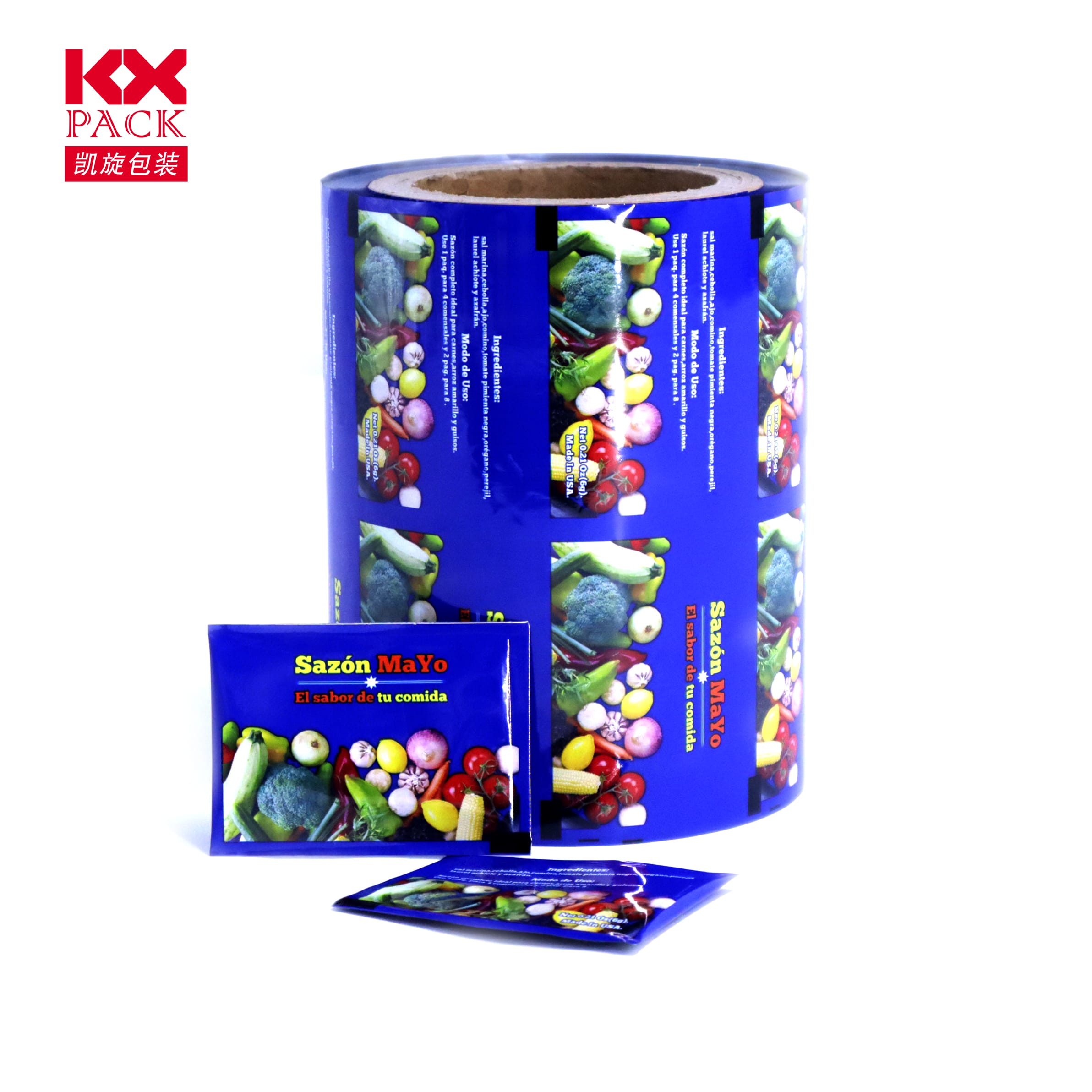
Гибкая упаковка из полиэтиленовой пленки: Будущее смарта, Устойчивый, и универсальная упаковка
Гибкая упаковка из полиэтиленовой пленки
В мире, где удобство, устойчивость, и дифференциация бренда имеют первостепенное значение, flexible plastic film packaging has emerged as a revolutionary solution. От продуктов питания и фармацевтики до электроники и электронной коммерции, этот легкий, адаптируемый материал меняет способ защиты продуктов, представлен, и потребляется. Let’s dive into why flexible plastic films are dominating the packaging industry—and how they’re evolving to meet tomorrow’s challenges.
Why Flexible Plastic Film Packaging? Основные преимущества
1. Непревзойденная универсальность
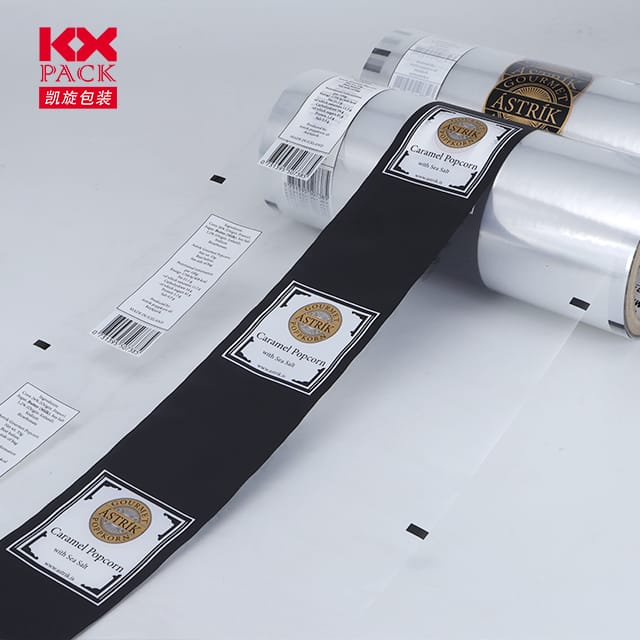
Flexible plastic films—such asБОПП (Двухосно -ориентированный полипропилен), ДОМАШНИЙ ПИТОМЕЦ (Полиэтилентерефталат), и ПЭ (Полиэтилен)—can be engineered to meet diverse needs:
- Барьерная защита: Multi-layer films block oxygen, влага, и ультрафиолетовый свет, продление срока годности до 50% for perishables like snacks and coffee.
- Formability: Thermoformable films mold precisely around products, сокращение отходов материала по сравнению с жесткой упаковкой.
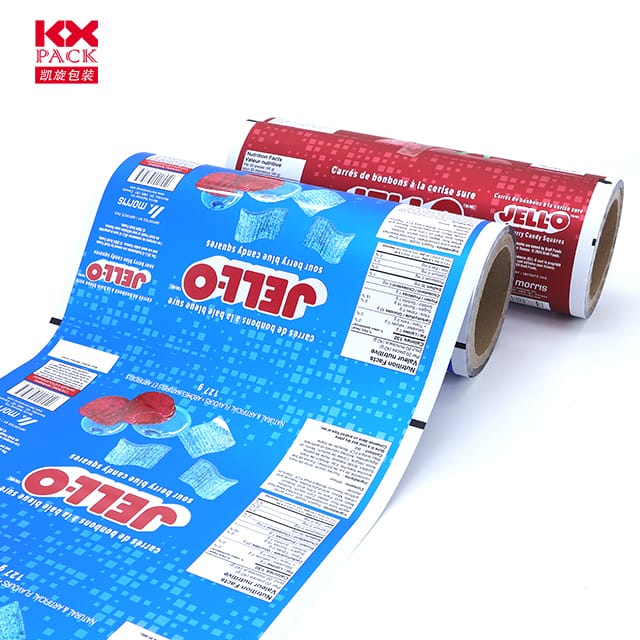
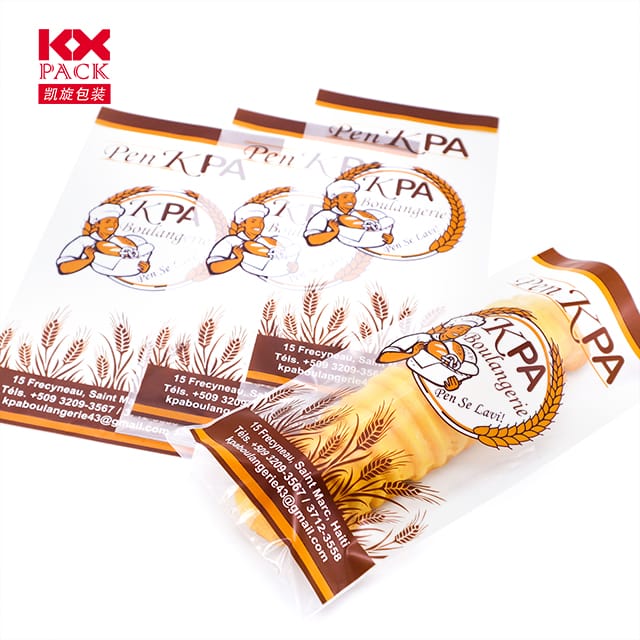
- Прозрачность & Возможность печати: Прозрачные пленки демонстрируют продукцию, while high-definition printing options (например, Flexography, digital, or gravure) enable vibrant branding without labels.
2. Sustainability in Focus
Глобальный Гибкая упаковка из полиэтиленовой пленки рынок, ценится в $341.6 миллиард на 2028, is driven by eco-conscious innovations:
- Перерабатываемые пленки: Мономатериальные структуры (например, полностью полиэтиленовые пакеты) are easier to recycle than traditional multi-layer laminates.
- Биоразлагаемые варианты: Фильмы сняты из Плата (Полилактановая кислота) или ПГА (Полигидроксиалканоаты) decompose within 6–18 months under industrial composting.
- Облегчение: Flexible films use 70% less plastic than rigid alternatives, cutting transportation emissions and material costs.
3. Экономическая эффективность & Масштабируемость
- Production Speed: High-speed flexographic printing (вплоть до 1,500 feet per minute) makes flexible films ideal for mass-market brands.
- Reduced Storage Costs: Rolls of film occupy 80% less space than pre-formed containers, optimizing warehouse efficiency.
- Настройка по требованию: Digital printing enables small-batch runs with zero setup costs, perfect for niche products or seasonal campaigns.
Ключевые приложения в разных отраслях
1. Еда & Напиток
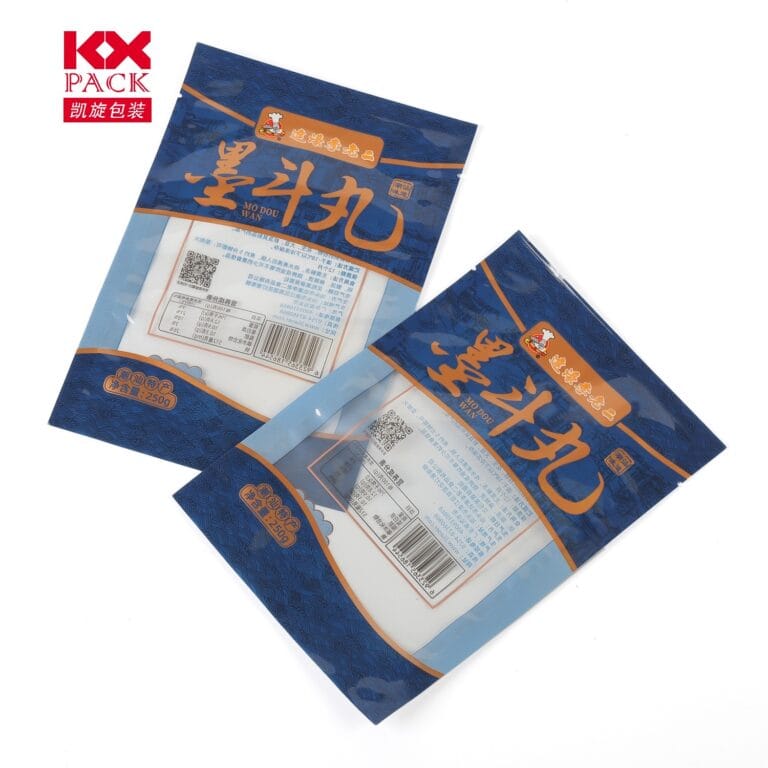
- Стоячие сумки: Replacing cans and jars for soups, орехи, и корм для домашних животных, these pouches use 60% меньше материала and feature resealable zippers.
- Модифицированная упаковка атмосферы (Карта): Films with oxygen scavengers preserve freshness for meats and produce.
- Retort Pouches: Sterilizable films withstand high temperatures, обеспечение безопасности готовых блюд.
2. Фармацевтика & Здравоохранение
- Child-Resistant Pouches: Гибкая упаковка из полиэтиленовой пленки with tamper-evident seals meet safety regulations for medications.
- Cold-Form Blister Packs: Aluminum-laminated films protect light-sensitive drugs from degradation.
3. Электронная коммерция & Логистика
- Air Cushion Films: Inflatable plastic films replace Styrofoam peanuts, reducing shipping damage by 90%.
- Антистатические пленки: Safeguard electronics from electrostatic discharge during transit.
Technological Innovations Driving the Market
1. Интеграция умной упаковки
- NFC Tags & QR Codes: Embedded in films, these enable consumers to scan for product authenticity, инструкции по переработке, or promotional content.
- Временные температурные показатели (Папа): Color-changing labels on perishable goods alert retailers to spoilage risks.
2. Advanced Manufacturing Techniques
- Нанопокрытия: Ultra-thin layers enhance barrier properties without adding weight.
- Лазерный скоринг: Precision cuts allow easy opening while maintaining package integrity during shipping.
3. Решения круговой экономики
- Химическая переработка: Breaks down mixed plastics into reusable monomers, enabling infinite recycling loops.
- Upcycling Initiatives: Компании, как Доу и Амкор are converting post-consumer films into new Гибкая упаковка из полиэтиленовой пленки материалы.
Проблемы & Будущие тенденции
1. Устранение пробелов в инфраструктуре переработки
Только14% гибкой упаковки перерабатывается во всем мире, largely due to contamination and lack of collection systems. Solutions include:
- Standardized Labeling: Clear recycling instructions to educate consumers.
- Deposit Return Schemes (DRS): Incentivizing returns of used films.
2. Нормативное давление
Правительства вводят более строгие правила в отношении одноразового пластика. Например, аДиректива ЕС об одноразовых пластиках запретить не подлежащие переоборудованию фильмы 2030.
3. The Rise of Bio-Based Alternatives
By 2030,30% of flexible films are expected to be plant-derived, reducing reliance on fossil fuels.
Заключение: Flexibility Is the Future
Flexible plastic film packaging isn’t just a trend—it’s a strategic imperative for brands aiming to balance performance, устойчивость, и стоимость. As innovations likesmart sensors, компостируемые материалы, and closed-loop recycling gain traction, возможности безграничны.
Для бизнеса: Embrace flexibility by partnering with suppliers who prioritize circular design and transparent sustainability reporting.
Для потребителей: Look for brands using recyclable or compostable films, and recycle properly to close the loop.
The packaging revolution is here—and it’s flexible. 🌱✨
What’s your favorite example of innovative flexible packaging? Поделитесь своими мыслями ниже!