Film de ambalare cu apă de plic: Inovaţie, Sustenabilitate, și dinamica pieței
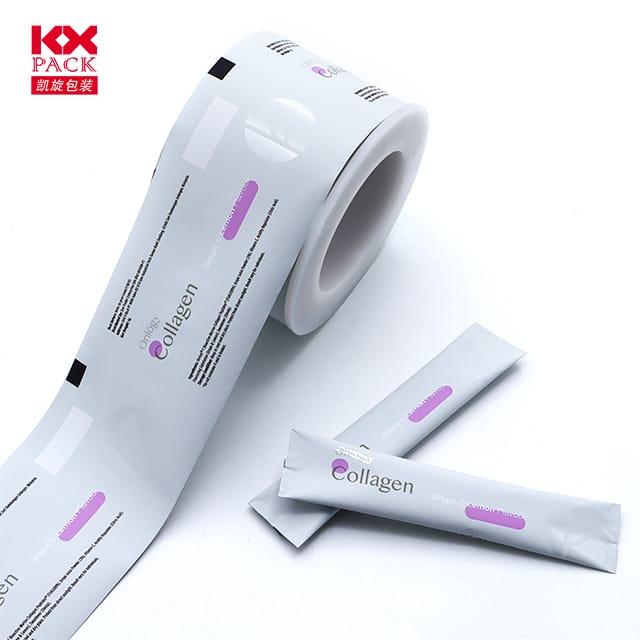
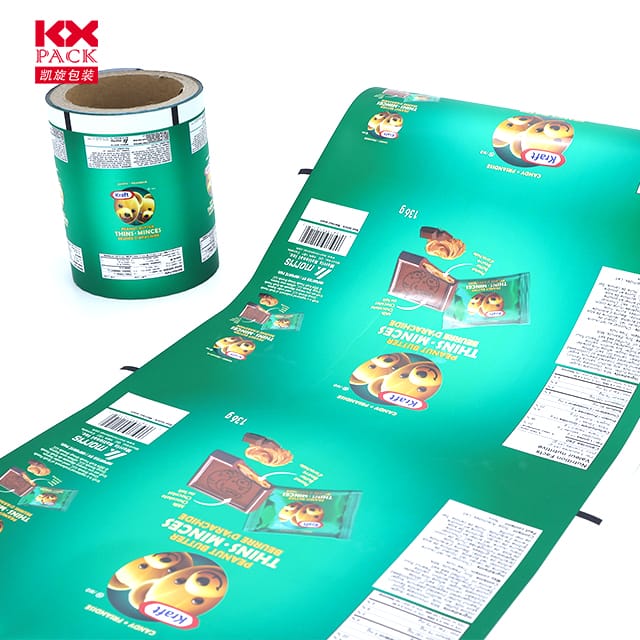
Film de ambalare cu apă de plic
The global packaged water industry has witnessed explosive growth in recent decades, cu apa pliculete — de unică folosință, accesibile, și soluție portabilă – care domină piețele din Africa, Asia, și America Latină. În centrul acestui fenomen se află filmul de ambalare cu apă pentru pliculețe, un material specializat care echilibrează funcționalitatea, Eficiența costurilor, și impactul asupra mediului. This blog explores the technical evolution, sustainability challenges, and market trends shaping the future of sachet water packaging.
1. The Rise of Sachet Water: A Global Phenomenon
Sachet water, typically packaged in 500 mL or 200 mL polyethylene (PE) sau polipropilenă (PP) filme, has become a lifeline in regions with unreliable piped water infrastructure. In Ghana alone, peste 40 plastic manufacturing companies produce 26,000 metric tons of plastic products annually, with sachet water accounting for a significant share. The affordability of sachet water (often priced below $0.10 per unit) and its convenience have fueled demand, particularly in urban slums and rural areas.
in orice caz, this proliferation has also triggered environmental concerns. Peste 10,000 metric tons of finished plastic products are imported into Ghana annually, exacerbating waste management challenges. A study in Nigeria revealed that sachet water microplastics alter soil chemistry, increase antibiotic resistance in bacteria, and reduce metal concentrations in agricultural land, posing risks to food security and public health.
2. Technical Evolution: From Basic Films to High-Performance Solutions
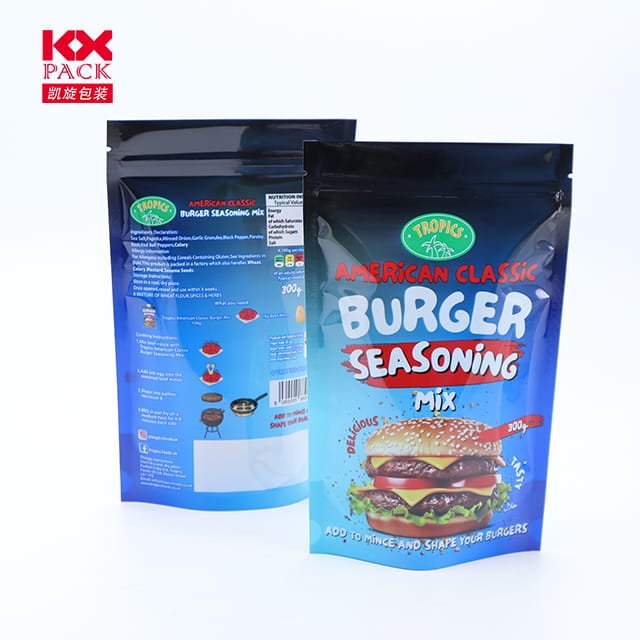
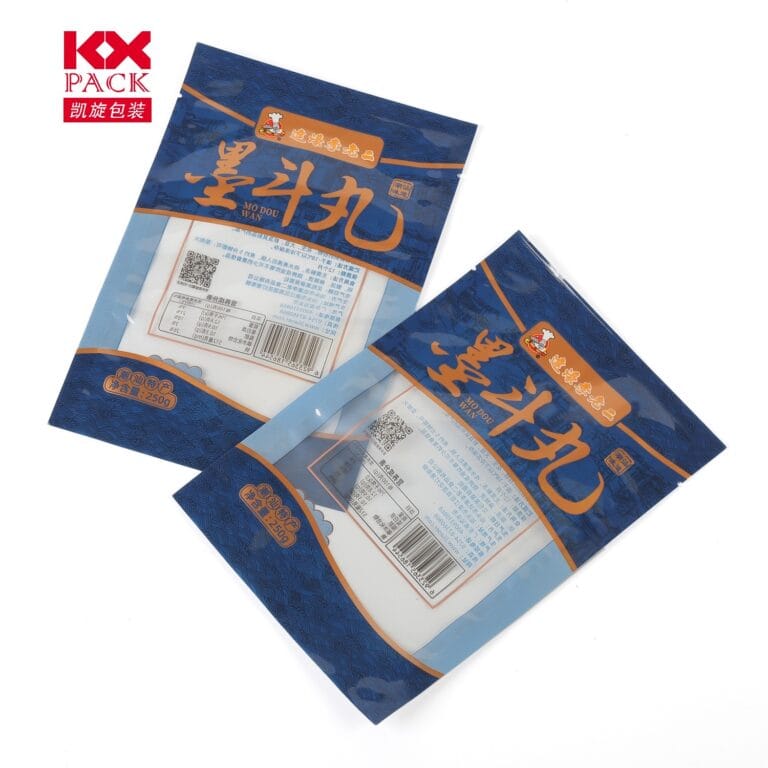
The Film de ambalare cu apă de plic market has evolved to address durability, proprietăți de barieră, si cost. Traditional films rely on single-layer PE or PP, but advanced multi-layer structures now dominate:
- PET/VMPET/CPP Composites: Used in wet wipes and food packaging, this structure combines PET (polietilen tereftalat) for printability, VMPET (vacuum-metalized polyester) for oxygen and light barrier, și CPP (cast polypropylene) for heat sealing.
- Aluminum-Based Films: For products requiring extended shelf life, laminates like PET/AL/PE (polyester/aluminum/polyethylene) offer superior moisture and gas resistance.
- Opțiuni biodegradabile: Emerging materials such as PLA (acid polilactic) and starch-based films aim to reduce plastic waste, though cost and scalability remain hurdles.
Inovații precum high-barrier coatings și anti-microbial additives are also gaining traction. De exemplu, Choose Water’s plant-based water bottle, though not a sachet, demonstrates the potential of bio-degradable inner liners paired with recycled paper shells.(Film de ambalare cu apă de plic)
3. Sustenabilitate: Balancing Convenience and Environmental Responsibility
The sachet water industry faces mounting pressure to adopt circular economy principles. Provocările cheie includ:
- Infrastructura de reciclare: Most sachets end up in landfills or waterways due to inadequate collection systems. Ghana’s Extended Producer Responsibility (EPR) framework, though nascent, seeks to hold manufacturers accountable for waste.
- Inovație materială: Companies like Amcor are experimenting with mono-material laminates (De ex., PE/PE) to improve recyclability. Project Reflex, a UK initiative, evaluates the recyclability of flexible packaging films, aiming to create a closed-loop system.(Film de ambalare cu apă de plic)
- Comportamentul consumatorului: Education campaigns and deposit-return schemes (DRS) are critical. In Brazil, sachet recycling rates improved after partnerships between brands and waste pickers.(Film de ambalare cu apă de plic)
4. Tendințe de piață: Global Expansion and Competitive Dynamics
The global packaging film market, evaluat la $156.9 miliarde in 2024, este proiectat să crească la a 6.16% CAGR prin 2030. Sachet water films, a subset of this market, are driven by:
- Emerging Economies: Asia-Pacific dominates (59% cotă de piață), with countries like India and Indonesia adopting sachet water as a primary drinking source.
- Boom de comerț electronic: The rise of online grocery platforms has spurred demand for lightweight, durable packaging.
- Impingerea de reglementare: Stricter bans on single-use plastics in the EU and parts of Africa are accelerating R&D in sustainable alternatives.
5. The Future of Sachet Water Pack
To thrive in a low-carbon economy, the industry must prioritize:
- Scalable Biodegradables: Cost-effective compostable films that meet food-grade standards.
- Ambalaje inteligente: RFID tags and sensors to monitor freshness and reduce waste.
- Collaborative Models: Public-private partnerships to build recycling infrastructure, as seen in Mondi’s water stewardship programs.
Concluzie
Sachet water packaging films exemplify the tension between accessibility and sustainability. While they provide a vital service to billions, their environmental footprint demands urgent action. Prin îmbrățișarea inovației, policy frameworks, și implicarea consumatorilor, the industry can transition toward a circular model that safeguards both public health and planetary boundaries.
Referințe: Global Packaging Film Market Report (DIResearch), Springer Journal on Microplastics, Amcor Sustainability Reports, Choose Water Case Study.