Evoluția și inovația filmului de plastic alimentar: Asigurarea siguranței și durabilității
Film de plastic alimentar
În industria alimentară actuală, folie de plastic alimentar reprezintă piatra de temelie a inovației de ambalare, echilibrarea siguranței, funcţionalitate, și responsabilitatea de mediu. Pe măsură ce cererea globală de alimente ambalate crește, la fel și nevoia de materiale avansate care protejează produsele fără a compromite sănătatea sau planeta. Să pătrundem în lumea filmelor din plastic alimentar – tipurile lor, aplicatii, riscuri, și tendințele viitoare.
Ce face un film de plastic “Clasa alimentara”?
Foliile din plastic de calitate alimentară sunt concepute pentru a îndeplini standardele stricte de siguranță stabilite de organismele de reglementare, cum ar fiNE. FDA (Codul Regulamentelor Federale Titlu 21) șiUE 10/2011 regulament. Aceste materiale trebuie:
- Nu se scurge substanțe chimice nocive în alimente.
- Rezistă la variațiile de temperatură în timpul depozitării, transport, si incalzire.
- Rezista la degradare din acizi, grăsimi, sau umiditatea din alimente.
- Fii de urmărit pentru a asigura respectarea protocoalelor de securitate.
Polimerii obișnuiți de calitate alimentară includ:
- Polietilenă (PE): HDPE (containere rigide) și LDPE (filme flexibile, împachetări).
- Polipropilenă (PP): Recipiente sigure pentru cuptorul cu microunde, tăvi termoformate.
- Tereftalat de polietilenă (PET): Sticle transparente, blistere.
- Clorura de polivinil (PVC): Folosit cu precauție din cauza potențialei migrări de ftalați.
- Alternative bazate pe bio: PLA (acid polilactic) și compozite pe bază de amidon pentru opțiuni ecologice.
Aplicații cheie în ambalarea alimentelor
- Cu amănuntul & Ambalaj de consum
- Produse proaspete: Foliile LDPE prelungesc durata de valabilitate prin reglarea oxigenului și umidității.
- Lactate & Băuturi: Urcioarele HDPE și sticlele PET domină pentru durabilitatea lor ușoară.
- Mese gata de consumat: Tăvile din PP rezistă la încălzirea cu microunde (până la 120°C).
- Industrial & Manipulare în vrac
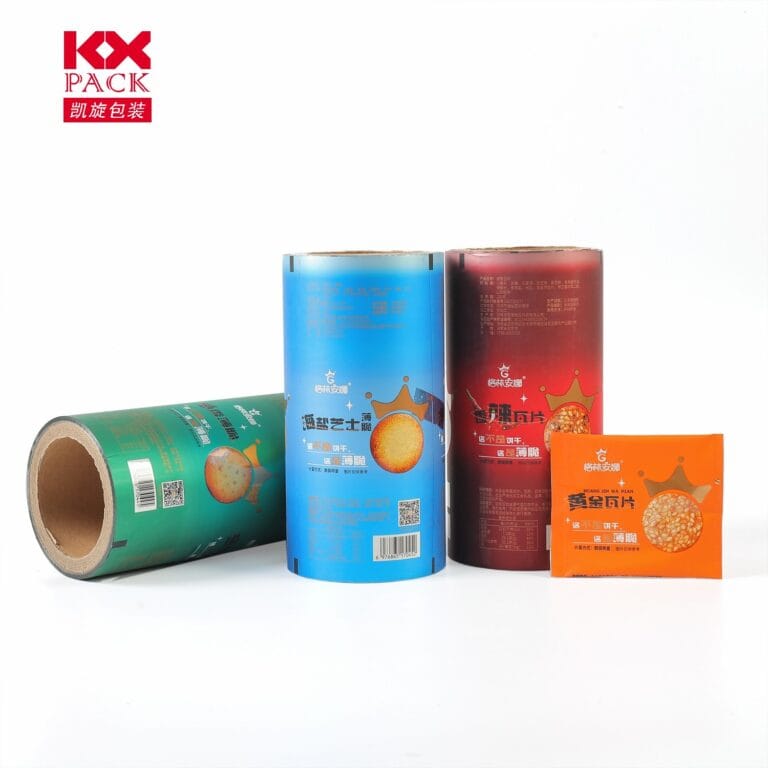
- Filme cu barieră înaltă: Structuri cu mai multe straturi (de ex., PA/EVOH/PE) împiedică pătrunderea oxigenului în carne, brânză, și cafea.
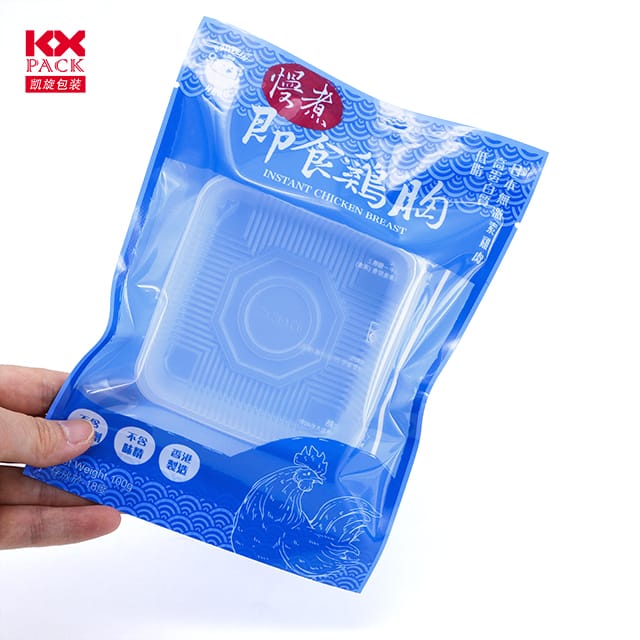
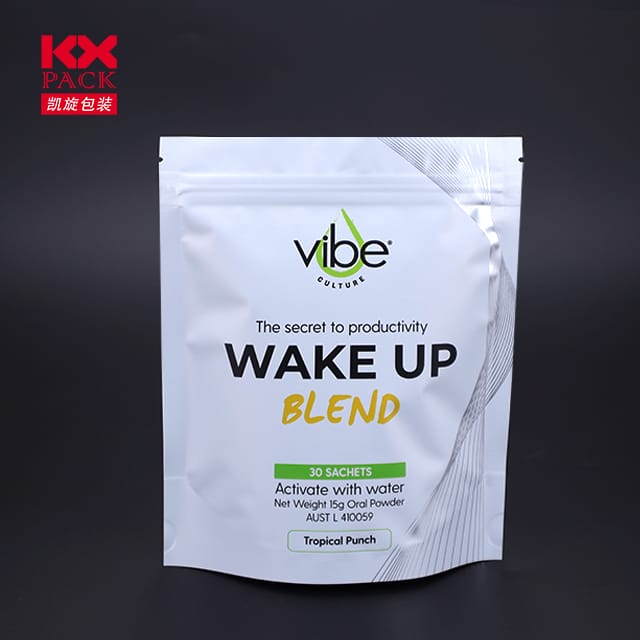
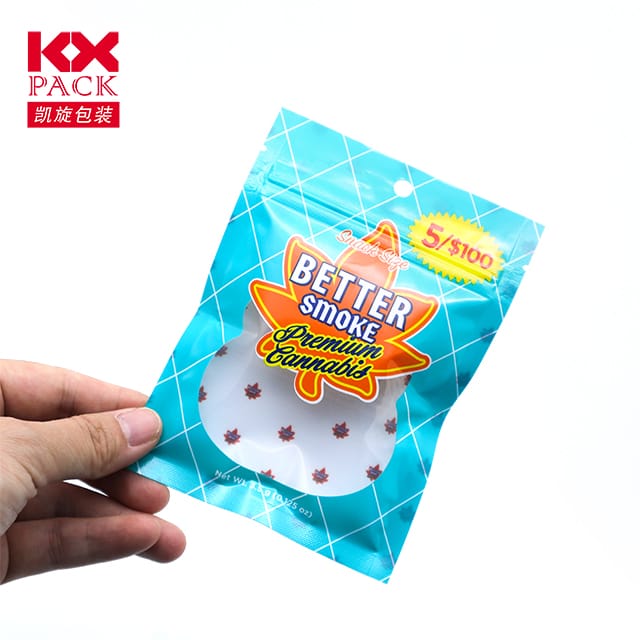
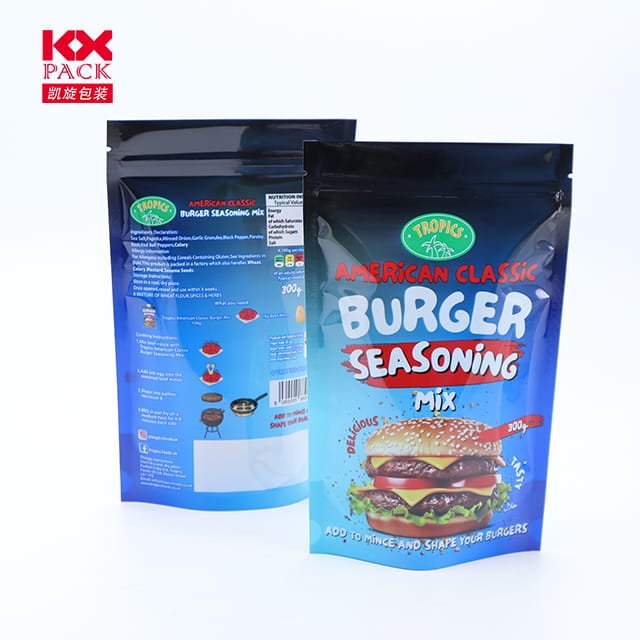
- Pungi flexibile: Pungile stand-up cu fermoare și gura de scurgere sporesc confortul.
- Utilizări de specialitate
- Ambalare în atmosferă modificată (HARTĂ): Filmele ajustează compoziția gazului pentru a încetini alterarea.
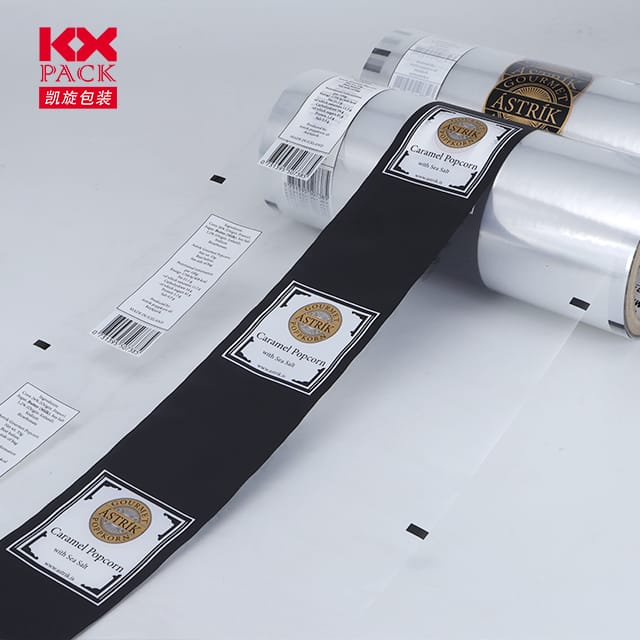
- Etichete inteligente: Cernelurile sensibile la temperatură sau codurile QR urmăresc prospețimea.
Riscuri și provocări
În ciuda beneficiilor lor, foliile de plastic alimentar sunt supuse controlului:
- Migrația chimică: Temperaturile ridicate sau alimentele acide pot cauza aditivi (de ex., plastifianti) a leşi.
- Microplastice: Fragmentarea în timpul utilizării sau eliminării ridică probleme de mediu.
- Obstacole de reciclare: Laminate cu materiale mixte (de ex., aluminiu/PET) complica reciclarea.
Inovații durabile care modelează viitorul
Industria se îndreaptă către soluții ecologice:
- Biodegradabil & Filme compostabile
- PLA, derivat din amidon de porumb, se descompune în instalaţiile de compostare industrială.
- PHA (polihidroxialcanoați) oferă opțiuni degradabile marine.
- Progrese în reciclare
- Designuri monomateriale: Structurile din PE sau din PP simplifică reciclarea.
- Reciclare chimică: Descompune plasticul în materii prime pentru noi filme.
- Impingerea de reglementare
- The Directiva UE privind materialele plastice de unică folosință interzice filmele nereciclabile prin 2030.
- GB din China 4806.7-2023 standardizează materialele în contact cu alimentele, încurajarea inovației interne.
- Soluții bazate pe tehnologie
- Nanoacoperiri: Îmbunătățește proprietățile barierei fără a adăuga grosime.
- Ambalaj activ: Încorporează antioxidanți sau agenți antimicrobieni.
Sfaturi pentru consumatori pentru utilizare în siguranță
- Evitați încălzirea foliilor din PVC sau PS: Acestea pot elibera toxine.
- Verificați codurile de reciclare: #2 (HDPE), #4 (LDPE), şi #5 (PP) sunt alegeri mai sigure.
- Limitați filmele de unică folosință: Optează pentru capace reutilizabile din silicon sau folii cu ceară de albine.
Drumul Înainte
Se preconizează că piața filmelor din plastic de calitate alimentară va ajunge$51.9 miliarde de 2030, condus de:
- Piețele emergente: Clasele de mijloc în creștere din Asia și Africa solicită alimente ambalate.
- Creșterea comerțului electronic: Vânzările online de produse alimentare se bazează pe durabilitate, folii rezistente la scurgeri.
- Obiectivele economiei circulare: Mărci precum Nestlé și Coca-Cola se angajează 100% ambalaje reciclabile de către 2025.
Concluzie
Foliile din plastic alimentar sunt indispensabile sistemelor alimentare moderne, dar viitorul lor depinde de inovație și responsabilitate. Prin îmbrățișarea materialelor pe bază de bio, îmbunătățirea reciclabilității, și respectarea standardelor stricte de siguranță, industria poate satisface cerințele consumatorilor, protejând în același timp sănătatea și mediul.
Ca consumatori, haideți să pledăm pentru transparență și sustenabilitate - pentru că filmele care învelesc alimentele noastre ar trebui să protejeze mai mult decât prospețimea acesteia.
Ce părere aveți despre foliile de plastic alimentar? Împărtășiți-vă gândurile în comentariile de mai jos! 🌱🍎📦