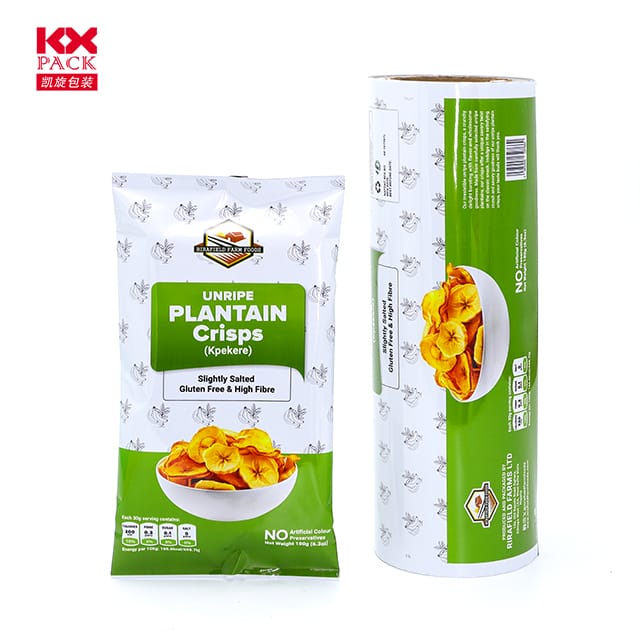
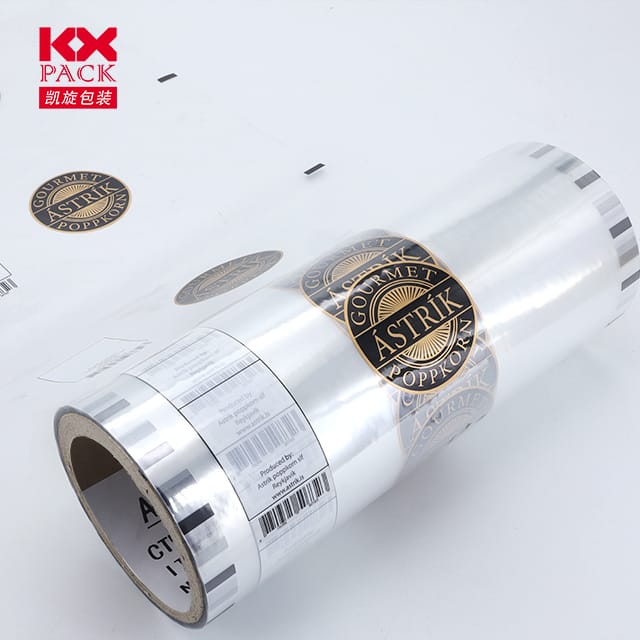
Rolo de filme plástico: O herói desconhecido da embalagem, Preservação, e versatilidade
Rolo de filme plástico
From protecting fresh produce to safeguarding industrial materials, o humildeplastic film roll is a silent workhorse in modern life. Este flexível, durável, e material econômico revolucionou a embalagem, agricultura, construção, e até organização doméstica. Vamos explorar suas diversas aplicações, considerações ambientais, e alternativas inovadoras moldando seu futuro.
1. The Many Faces of Plastic Film Rolls
Plastic film rolls come in countless variations, cada um adaptado a necessidades específicas:
- Envoltório elástico: Used in logistics to secure pallets during transit, preventing damage and tampering. Its elasticity ensures a tight grip without adhesive.
- Cling Film/Food Wrap: A kitchen staple for preserving leftovers, embrulhando sanduíches, or covering dishes. Its transparency and airtight seal keep food fresh longer.
- Agricultural Film: Protects crops from pests, regulates soil temperature, and accelerates growth. Por exemplo, greenhouse plastic film creates controlled environments for year-round farming.
- Construction Film: Acts as a moisture barrier during building projects, shielding surfaces from paint, pó, or weather damage.
- Industrial Packaging Film: Safeguards heavy machinery, furniture, or electronics from scratches, pó, and corrosion during storage or shipping.
2. Why Plastic Film Rolls Dominate the Market
- Eficiência de custos: Plastic film is inexpensive to produce and transport, making it ideal for bulk use.
- Leve e flexível: Its malleability allows it to conform to irregular shapes, from food containers to industrial parts.
- Propriedades de barreira: Many films are designed to resist moisture, oxigênio, or UV rays, extending the shelf life of perishables.
- Customizabilidade: Manufacturers can adjust thickness, cor, and additives (Por exemplo, antistatic coatings) to suit specific industries.
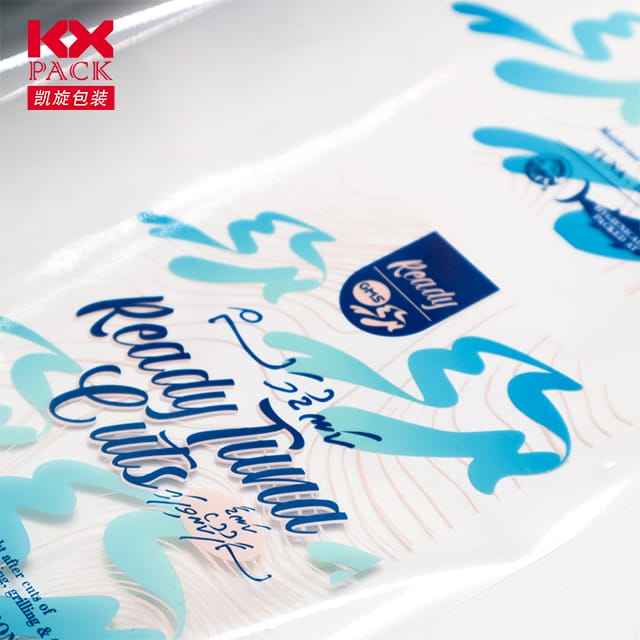
Por exemplo, um20-micron clear plastic film roll might be used for wrapping fresh flowers, while a100-micron black film could serve as a durable ground cover in landscaping.
3. O Desafio Ambiental: Sustentabilidade e inovação
While plastic film rolls offer undeniable benefits, their single-use nature has raised environmental concerns. Traditional films, often made from polyethylene (EDUCAÇAO FISICA) ou polipropileno (PP), can take centuries to decompose. No entanto, the industry is evolving with eco-friendly solutions:
- Filmes Biodegradáveis: Feito de materiais vegetais, como amido de milho, these films break down within months under composting conditions.
- Conteúdo reciclado: Some manufacturers now produce films with up to 50% recycled plastic, reduzindo a dependência de materiais virgens.
- Reusable Alternatives: Silicone food wraps or beeswax wraps are gaining popularity as sustainable substitutes for cling film.
- Tecnologias Avançadas de Reciclagem: Chemical recycling processes can convert used plastic film back into raw materials for new products.
4. Creative Uses Beyond Packaging
Plastic film rolls inspire DIY enthusiasts and professionals alike:
- Art and Crafts: Use transparent film as a protective layer for paintings or as a base for resin art.
- Home Organization: Line shelves or drawers with film to prevent scratches, or create custom-sized storage bags.
- Gardening Hacks: Cover seedlings with clear film to create a mini greenhouse effect, aumentando as taxas de germinação.
- Emergency Repairs: Patch leaks in tents, inflatables, or even car windows temporarily with durable plastic film.
5. Choosing the Right Plastic Film Roll
Selecting the ideal film depends on your needs:
- Espessura: Measured in microns (µm), thicker films (Por exemplo, 100µm+) offer greater durability for heavy-duty tasks.
- Transparência: Clear films are perfect for visibility, while colored or opaque options provide privacy or UV protection.
- Adhesive Backing: Some rolls come with sticky sides for easy application, such as protecting surfaces during painting.
Por exemplo, um30cm x 500m clear plastic film roll might suit a small business wrapping products, while a2m x 100m black construction film could cover an entire building site.
6. The Future of Plastic Film Rolls
À medida que a sustentabilidade se torna uma prioridade, the industry is shifting toward circular economy models. Inovações como:
- Filmes comestíveis: Feito de algas marinhas ou amido, these are safe for food packaging and eliminate waste entirely.
- Filmes Inteligentes: Embedded with sensors to monitor food freshness or detect leaks in industrial settings.
- Self-Healing Materials: Films that repair minor tears automatically, extending their lifespan.
Conclusão
Plastic film rolls are a testament to human ingenuity—simple yet transformative. While their environmental impact demands attention, ongoing innovations promise a future where functionality and sustainability coexist. Whether you’re wrapping leftovers, shipping goods, or nurturing crops, choosing the right film and disposing of it responsibly can make all the difference.
What’s your favorite use for plastic film rolls? Share your tips or eco-friendly alternatives in the comments below! 🌍📦