Laminação do filme 101: Protegendo, Melhorando, e transformar superfícies com uma fina camada de inovação
Laminação do filme
From glossy smartphone screens to vibrant packaging designs, film lamination is a quiet hero in modern manufacturing and design. Este processo envolve a aplicação de um fino, Camada de filme protetora para superfícies, oferecendo durabilidade, estética, e funcionalidade. Se você é um entusiasta de bricolage, um proprietário de uma empresa, ou simplesmente curioso sobre os materiais do dia a dia, understanding film lamination can unlock creative possibilities and practical solutions.
What Is Film Lamination?
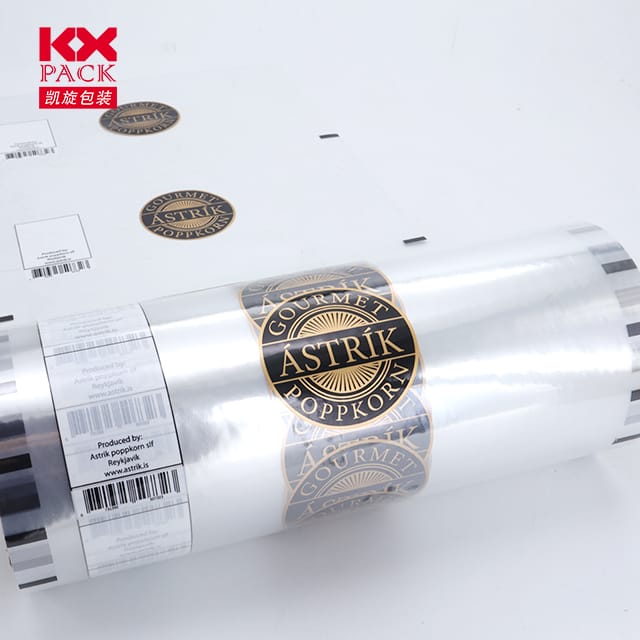
Film lamination is the process of bonding a plastic film—typically made from materials like polyester (BICHO DE ESTIMAÇÃO), polipropileno (PP), or vinyl—to a substrate (por exemplo, papel, cartão, metal, or wood) usando calor, pressão, ou adesivos. O resultado? A reinforced surface that resists scratches, umidade, Raios UV, e desaparecendo, while often adding a sleek finish.
Key Benefits of Film Lamination
- Protection Against Wear and Tear
Laminated films act as a shield, safeguarding surfaces from spills, stains, impressões digitais, e abrasão. This makes them ideal for high-traffic items like menus, Cartões de identificação, or outdoor signage. - Enhanced Aesthetics
Films come in matte, lustroso, textured, ou acabamentos metálicos, allowing designers to elevate visuals. A glossy laminate can make colors pop, while a matte finish reduces glare for readability. - Extended Lifespan
By preventing fading and degradation, lamination preserves the integrity of documents, obra de arte, or product labels, reducing the need for replacements. - Functional Upgrades
Specialized films can add properties like anti-graffiti coating, antimicrobial protection, or even RFID-blocking capabilities for security.
Types of Film Lamination Techniques
- Laminação Térmica
Uses heat to activate an adhesive layer on the film, bonding it to the substrate. Common for paper-based products like business cards or book covers. - Pressure-Sensitive Lamination
Relies on adhesive-backed films applied with pressure (por exemplo, via rollers or manual tools). Perfect for irregular surfaces or on-the-go repairs. - Liquid Lamination
A liquid coating is sprayed or rolled onto the surface, then cured to form a protective film. Often used for large-format prints or industrial applications. - Laminação a frio
Uses pressure alone to adhere films, eliminating the need for heat. Ideal for heat-sensitive materials like certain plastics or photographs.
Aplicações em todos os setores
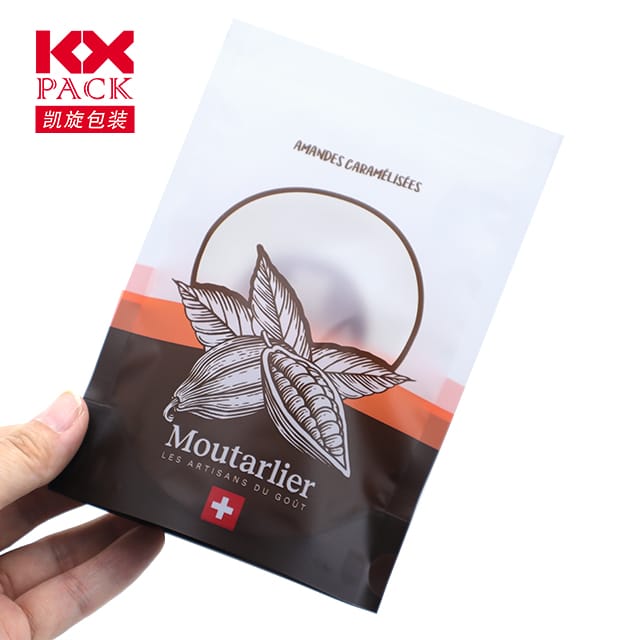
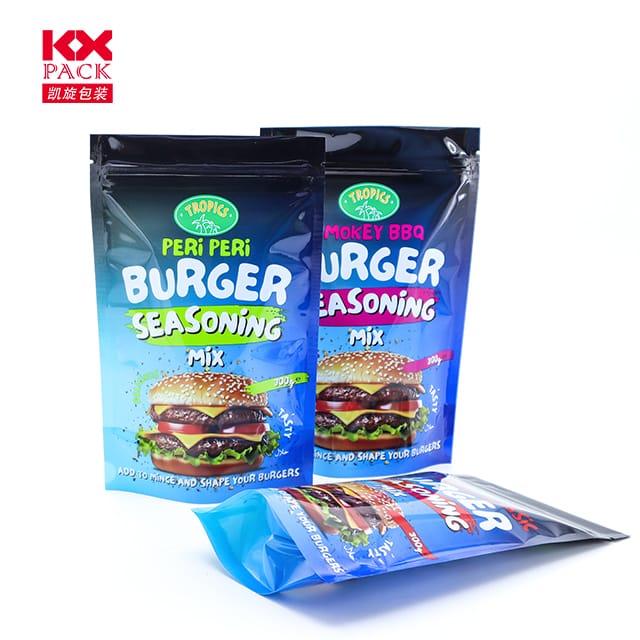
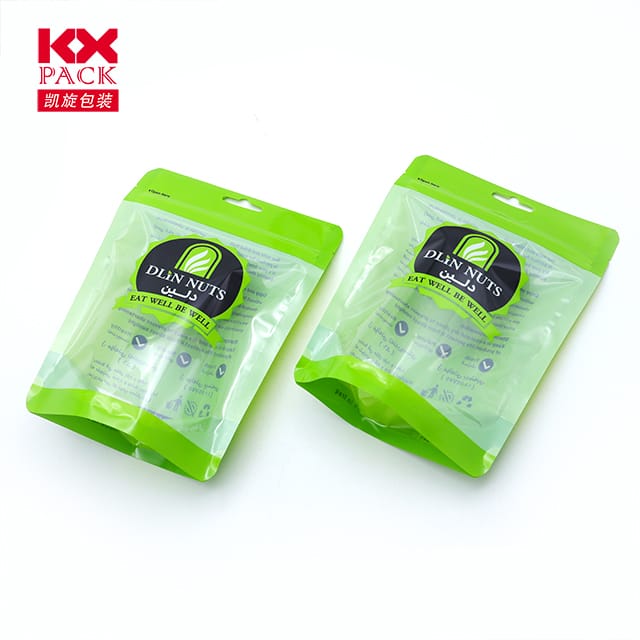
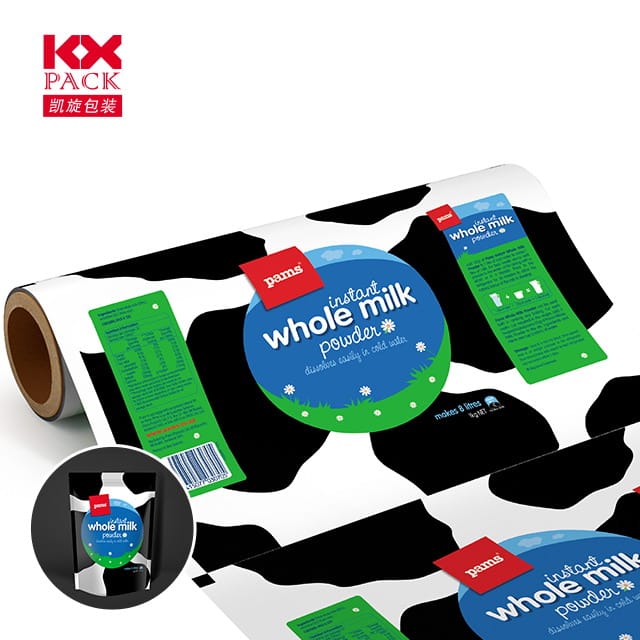
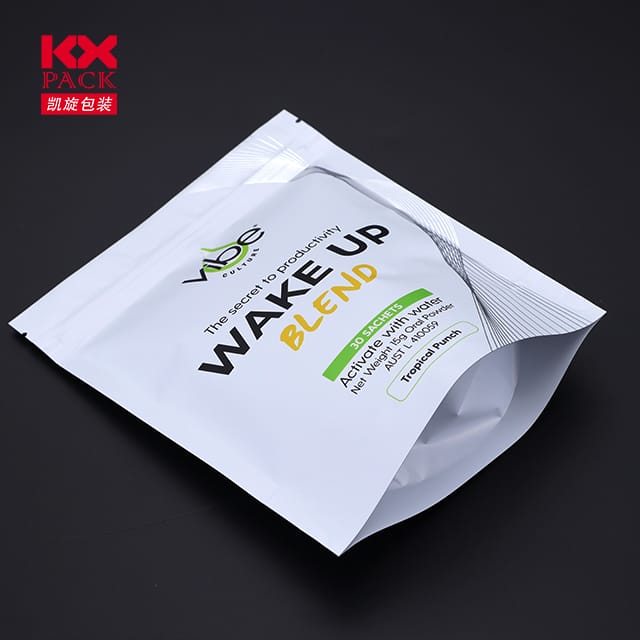
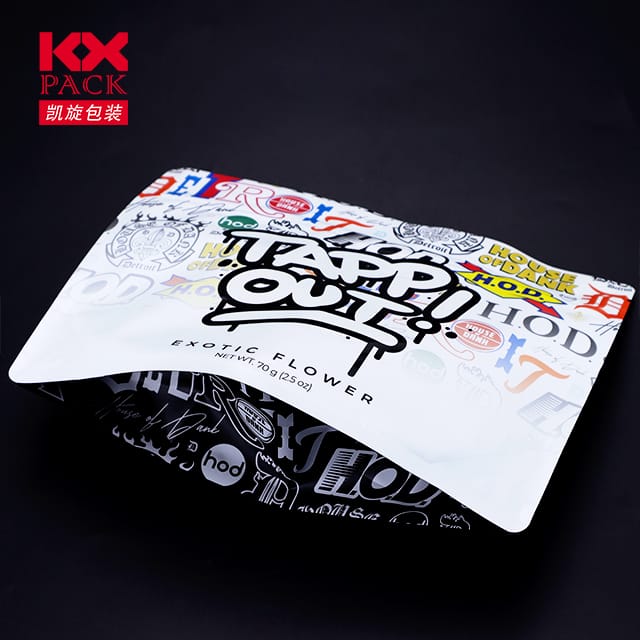
- Embalagem: Laminated films keep food fresh and labels intact, even in humid environments.
- Eletrônica: Screen protectors and device casings use laminated films for scratch resistance and touch sensitivity.
- Automotivo: Dashboard overlays and interior panels rely on laminated films for durability and a premium feel.
- Arte & Fotografia: Framed artwork or photo prints are laminated to prevent UV damage and yellowing.
- Construção: Laminated glass and architectural films improve safety and energy efficiency in buildings.
DIY Film Lamination: Tips for Beginners
Want to try lamination at home? Here’s how to get started:
- Escolha o filme certo: Opt for a self-adhesive vinyl or PET film for simplicity.
- Clean the Surface: Dust or grease can cause bubbles—wipe the substrate thoroughly.
- Use a Squeegee: Apply the film slowly, using a squeegee to push out air bubbles as you go.
- Trim Excess: A sharp craft knife ensures clean edges.
For larger projects, consider investing in a basic laminating machine (available for under $50 for home use).
Considerações de Sustentabilidade
While lamination extends product life, it’s important to address recycling challenges. Many laminated materials are hard to separate into film and substrate, levando a resíduos em aterros. No entanto, innovations like:
- Filmes biodegradáveis made from plant-based materials.
- Laminados recicláveis designed for easy separation.
- Reusable films (por exemplo, static-cling overlays) are reducing environmental impact.
The Future of Film Lamination
Advancements in nanotechnology and smart materials are pushing boundaries. Imagine laminates that:
- Self-heal scratches.
- Change color with temperature or light.
- Generate energy via embedded solar cells.
The possibilities are as thin—and limitless—as the films themselves!
Considerações Finais
Film lamination is more than just a protective layer—it’s a tool for innovation, sustentabilidade, e criatividade. Whether you’re preserving memories, branding products, or designing the next breakthrough material, this humble technology deserves a closer look.
Have you used film lamination in a project? Share your tips or favorite applications in the comments below! 🎬✨