Fremtiden for emballasjefilmer: Innovasjoner, Bærekraft, og utover (2)
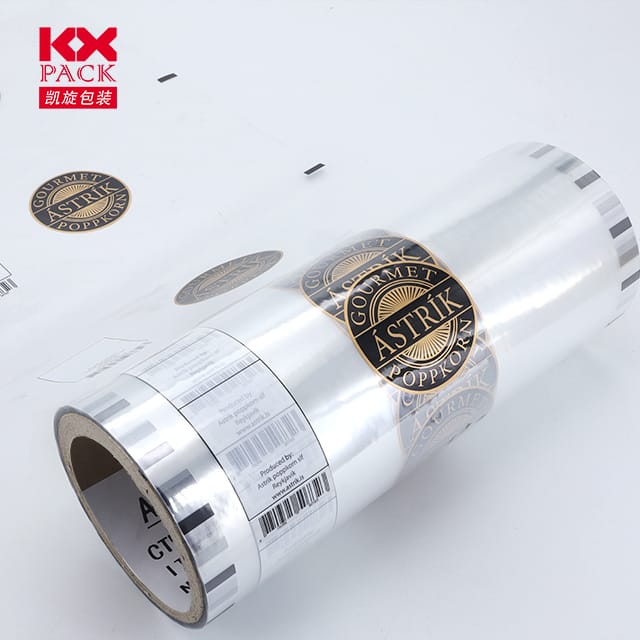
Emballasje filmer
Introduksjon
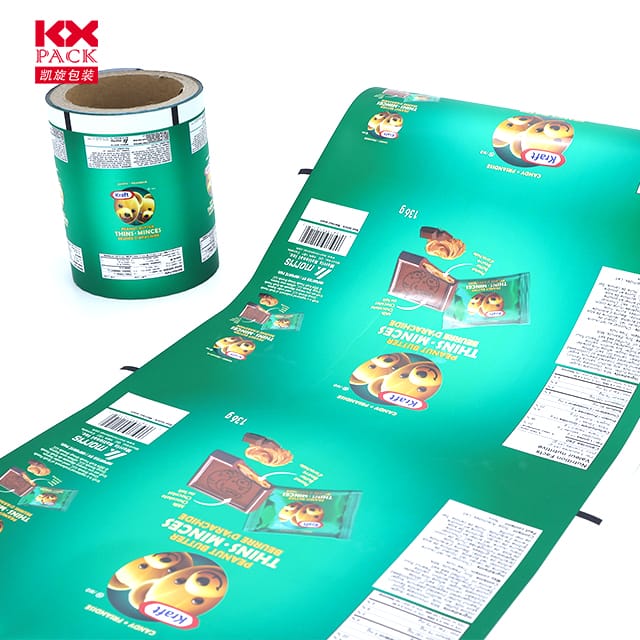
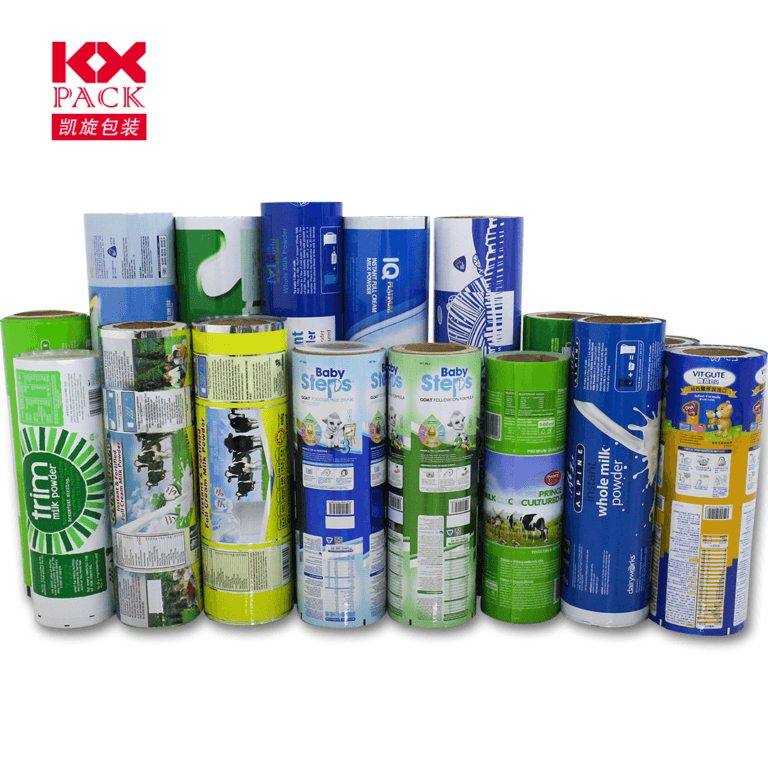
I en verden hvor bærekraft og funksjonalitet er konge, emballasjefilmer spiller en avgjørende rolle for å beskytte produkter, forbedre hylleappell, og redusere miljøpåvirkningen. Fra matkonservering til farmasøytisk sikkerhet, disse tynne, fleksible materialer er konstruert for å møte ulike behov. Men med økende bekymringer for plastavfall og stadig økende forbrukerkrav, fremtiden for emballasjefilmer er klar for en revolusjon. La oss utforske de siste trendene, innovasjoner, og utfordringer med å forme denne dynamiske industrien.
1. Typer emballasjefilmer: En Primer
Emballasjefilmer kommer i ulike former, hver skreddersydd til spesifikke applikasjoner:
- Plastfilmer: Tradisjonell polyetylen (PE), polypropylen (PP), og PVC dominerer på grunn av deres holdbarhet og kostnadseffektivitet.
- Biologisk nedbrytbare filmer: Laget av plantebaserte polymerer (F.eks., PLA, PHA) eller komposterbare materialer, disse reduserer deponibyrden.
- Barrierefilmer: Designet for å blokkere fuktighet, oksygen, eller UV-lys, ideell for bedervelige varer eller sensitiv elektronikk.
- Krympe filmer: Varmeaktivert for å passe tett rundt produktene for manipulasjonsbevis og produktstabilitet.
- Spesialfilmer: Inkluder antidugg, antimikrobiell, eller ledende belegg for nisjeapplikasjoner.
2. Nøkkelnæringer som driver etterspørselen
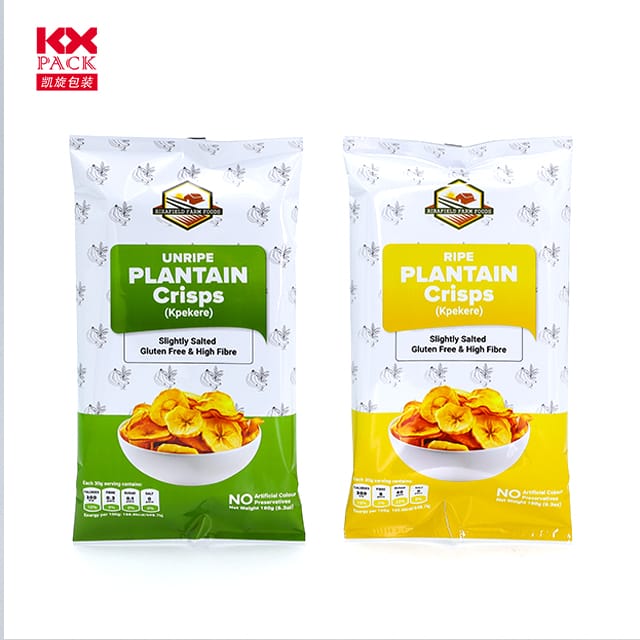
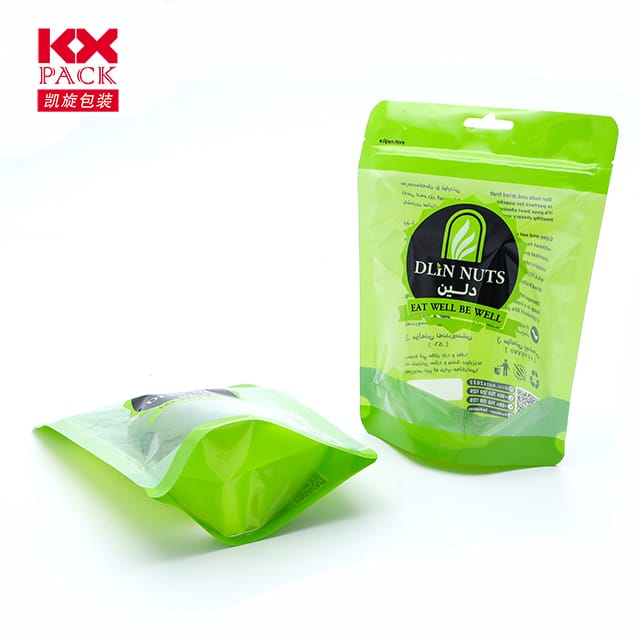
- Mat & Drikke: Forlenger holdbarheten, sikrer hygiene, og muliggjør porsjonskontroll. Tenk snackspakker, innpakning av ferske råvarer, og drikkeposer.
- Helsetjenester: Steril emballasje for medisinsk utstyr, legemidler, og IV-poser.
- E-handel: Slitesterke filmer beskytter varer under frakt og forbedrer utboksopplevelsen.
- Elektronikk: Statisk resistente filmer beskytter sensitive komponenter.
3. Bærekraft: Den nye grensen
Det globale presset for miljøvennlige løsninger omformer emballasjefilmlandskapet:
- Bioplast & Komposterbar: Merker som Danone og Nestlé tar i bruk PLA-baserte filmer for meieri- og vannflasker.
- Sirkulære økonomimodeller: Resirkulerbare filmer laget av avfall etter forbruk (PCR) redusere jomfruelig plastbruk.
- Kjemisk resirkulering: Nye teknologier bryter ned blandet plast til råmaterialer for nye filmer.
- Regulatorisk press: EUs engangsplastdirektiv og lignende retningslinjer over hele verden faser ut ikke-resirkulerbare filmer.
4. Høydepunkter for innovasjon
- Smart emballasje: Filmer innebygd med sensorer eller QR-koder sporer ferskhet, temperatur, eller autentisitet.
- Aktiv emballasje: Frigjør konserveringsmidler (F.eks., antioksidanter) for å forlenge matens holdbarhet.
- Nanoteknologi: Forbedrer barriereegenskaper med nano-leire eller sølv nanopartikler for antimikrobielle effekter.
- 3D Utskrift: Tilpassbar, on-demand emballasje reduserer materialavfall.
5. Utfordringer og muligheter
- Kostnad vs. Bærekraft: Biologisk nedbrytbare filmer er dyrere enn konvensjonell plast. Skalering av produksjonen kan redusere kostnadene.
- Infrastrukturhull: Gjenvinningsanlegg for avanserte filmer (F.eks., flerlags barrierer) er begrenset.
- Forbrukerutdanning: Klargjørende etiketter (F.eks., “hjemmekomposterbar” vs. “industrielt komposterbar”) hindrer grønnvasking.
Konklusjon
Emballasjefilmer handler ikke lenger bare om beskyttelse – de handler om innovasjon, ansvar, og spenst. Ettersom bransjer balanserer ytelse med planetvennlig praksis, vi vil sannsynligvis se flere hybridmaterialer, lukkede sløyfesystemer, og teknologidrevne løsninger. For bedrifter, å investere i bærekraftig emballasje er ikke bare etisk – det er et strategisk grep for å møte endrede regelverk og forbrukerpreferanser.
Vanlige spørsmål
- Er biologisk nedbrytbare filmer virkelig miljøvennlige? Ja, men bare hvis de kastes i industrielle komposteringsanlegg.
- Kan resirkulerte filmer matche ytelsen til ny plast? Fremskritt innen PCR-teknologi reduserer gapet.
- Hva er det neste store innen emballasjefilmer? Se opp for spiselige filmer (F.eks., tangbaserte wraps) og selvhelbredende materialer.
Fremtiden for emballasjefilm er lys, fleksibel, og stadig grønnere. Hvilke innovasjoner vil du se i dette rommet? Del dine tanker nedenfor! 🌱📦