Evolusjonen og virkningen av fleksible filmer i matemballasje: En bærekraftig revolusjon (3)
Fleksible filmer
I dagens fartsfylte verden, matemballasje handler ikke lenger bare om inneslutning – det er en vitenskap som balanserer konservering, bekvemmelighet, og bærekraft. Blant innovasjonene som driver denne transformasjonen, fleksible filmer have emerged as a game-changer in food packaging. Lett, allsidig, og tilpasningsdyktig, disse materialene omformer hvordan vi beskytter, transportere, og spise mat. Let’s dive into why flexible films are revolutionizing the industry and what their future holds.
Hva er fleksible filmer?
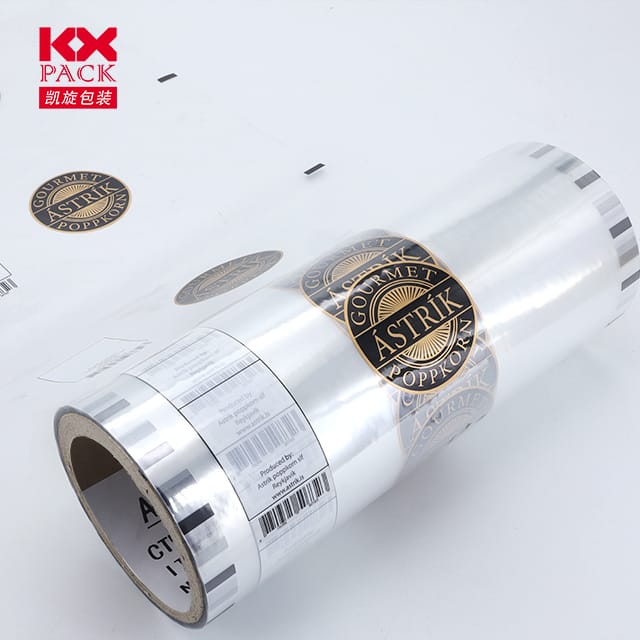
Flexible films are thin, pliable materials made from polymers like polyethylene (PE), polypropylen (PP), polyester (KJÆLEDYR), and biodegradable alternatives such as PLA (polymelkesyre). These films can be laminated, coated, or printed to create packaging solutions tailored for specific food products—from snacks and fresh produce to frozen meals and beverages.
Their key advantages? Lightweight construction reduces shipping emissions, customizable barrier properties extend shelf life, ogflexibility allows for efficient use of space in packaging designs.
Why Are Flexible Films Dominating Food Packaging?
- Forbedret holdbarhet
Flexible films can be engineered with oxygen, fuktighet, and light barriers to prevent spoilage. For eksempel, high-barrier laminates keep coffee fresh, while modified atmosphere packaging (KART) films extend the shelf life of meat and cheese. - Sustainability Gains
Traditional rigid packaging often uses more material and generates higher waste. Flexible films, by contrast, require fewer resources to produce and transport. I tillegg, advancements in recyclable and compostable films (F.eks., bio-based PLA or mono-material PE structures) are reducing plastic pollution. - Bekvemmelighet & Innovasjon
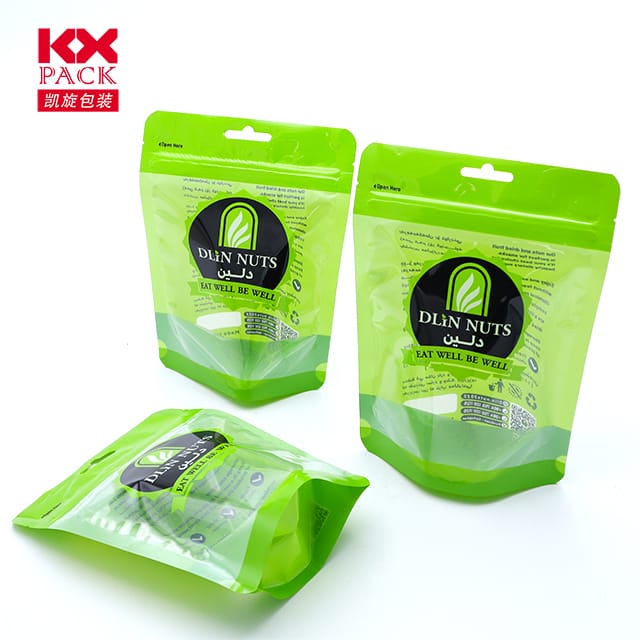
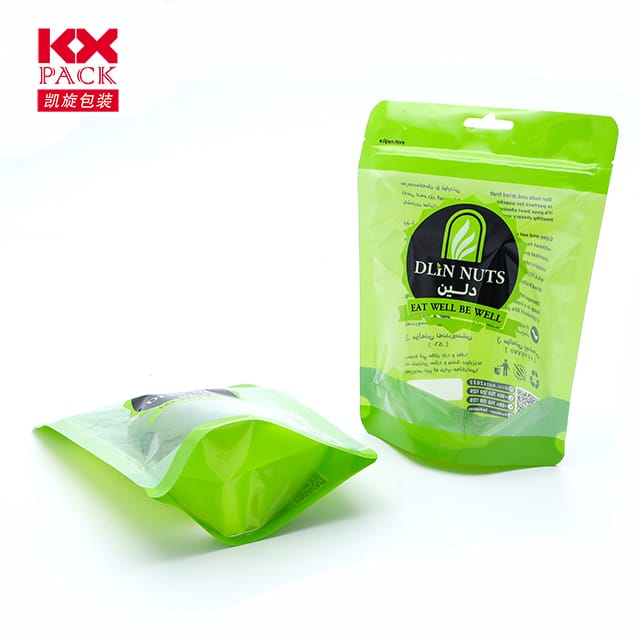
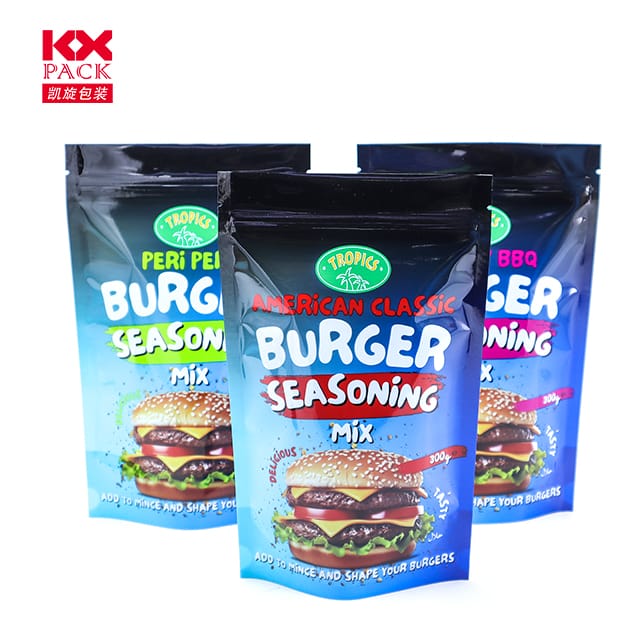
Resealable zippers, easy-tear openings, and stand-up pouches make flexible packaging consumer-friendly. Brands like snack companies and ready-meal producers leverage these features to enhance user experience. - Kostnadseffektivitet
Lighter materials mean lower shipping costs, and the ability to form-fill-seal (FFS) on high-speed machinery boosts production efficiency.
Utfordringer & Veien videre
Til tross for fordelene deres, fleksible filmer møter hindringer:
- Recyclability Complexity: Flerlags laminater (F.eks., PET/AL/PE) are hard to recycle.
- Forbrukeroppfatning: Some still associate plastics with waste, even if innovations like chemical recycling or compostable films exist.
Solutions on the Horizon:
- Mono-Material Structures: Using a single polymer type (F.eks., alle-PE-poser) improves recyclability.
- Biologisk nedbrytbare filmer: Made from renewable resources, these break down naturally, selv om skalerbarhet fortsatt er en utfordring.
- Smart emballasje: Integrating sensors or QR codes into films to track freshness and reduce waste.
The Future is Flexible
The global flexible packaging market is projected to reach$250 milliarder med 2028, driven by e-commerce growth and sustainability mandates. Brands are increasingly prioritizingcircular design—creating packaging that’s recyclable, gjenbrukbare, or compostable by design.
As consumers demand eco-friendly options without sacrificing convenience, flexible films will play a pivotal role in bridging the gap. Den neste grensen? Innovasjoner somedible films (made from seaweed or starch) ellerself-healing materials that further minimize waste.
Konklusjon
Flexible films are more than just packaging—they’re a testament to human ingenuity in solving modern challenges. Ved å balansere funksjonalitet, bærekraft, and affordability, they’re not just protecting food but also our planet. Etter hvert som teknologien skrider frem, en ting er klart: the future of food packaging is flexible, and it’s here to stay.
What’s your take on flexible films? Del tankene dine i kommentarene nedenfor! 🌱🍱
Nøkkelord: fleksible filmer, matemballasje, bærekraft, holdbarhet, biologisk nedbrytbart, resirkulerbar, circular economy