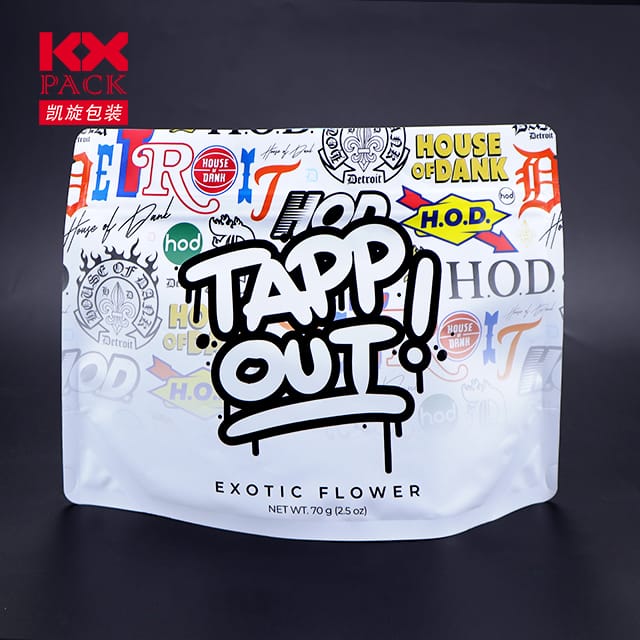
Het tweesnijdende zwaard van plastic film voor verpakking: Gemak vs. Milieu -impact (3)
Plastic film voor verpakking
Plastic folie is alomtegenwoordig in ons leven. Van supermarkten tot verzendmagazijnen, Dit veelzijdige materiaal wikkelt, beschermt, en behoudt alles van verse producten tot fragiele elektronica. Maar naarmate de zorgen over het milieu toenemen, De vraag doemt op: Kunnen we het gemak van plastic film verzoenen met de dringende behoefte om plastic afval te verminderen? Laten we de rol van plastic folie in het moderne leven ontrafelen en duurzame alternatieven verkennen.
Waarom plasticfolie de verpakking domineert
- Veelzijdigheid & Kosteneffectiviteit
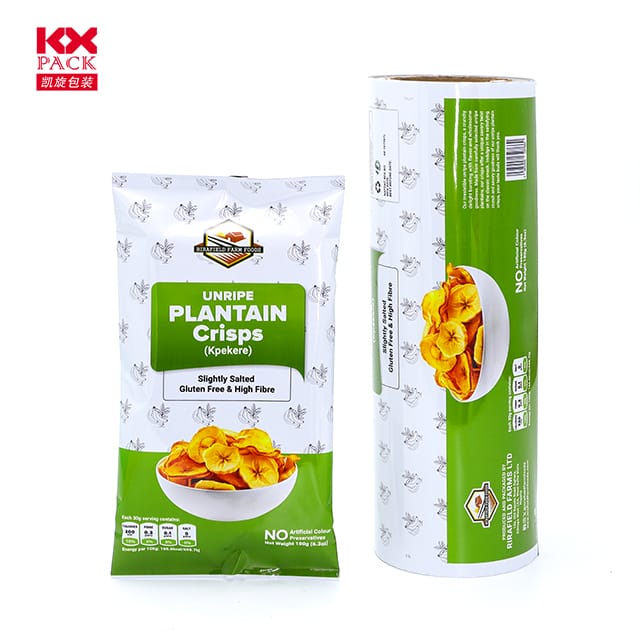
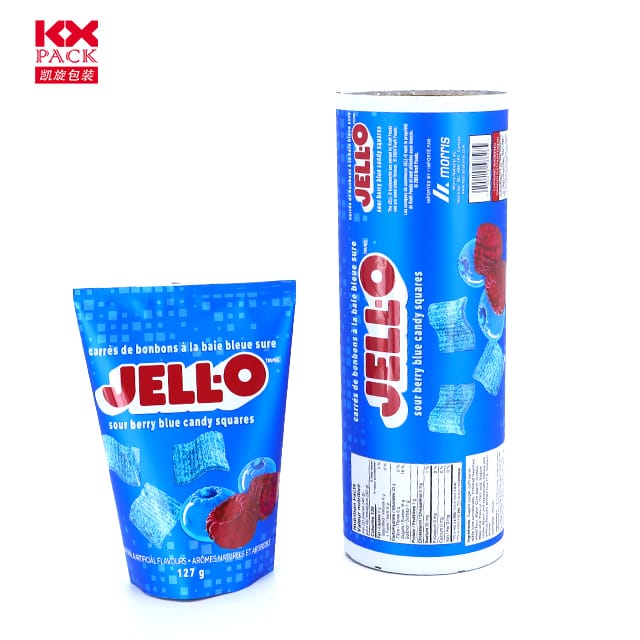
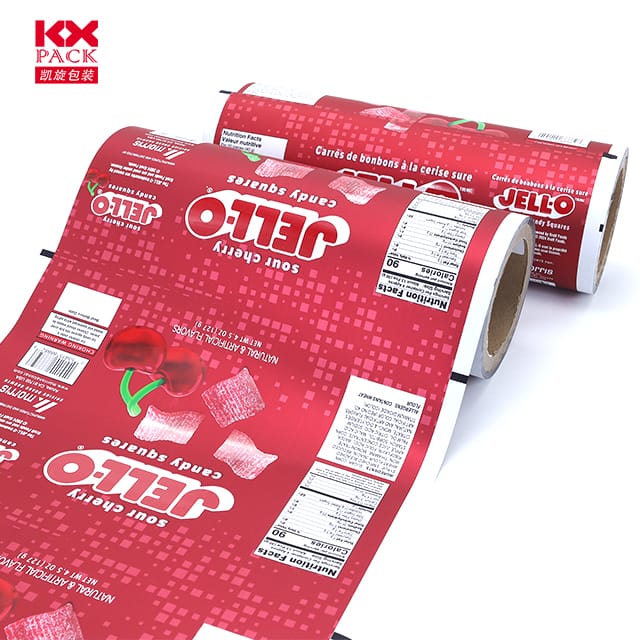
Plastic film voor verpakking (zoals polyethyleen, of) is lichtgewicht, flexibele, en goedkoop te produceren. Het kan op maat worden gemaakt voor verschillende toepassingen: huishoudfolie, krimpfolie, bubbeltjesplastic, en meer. - Barrièrebescherming
Het beschermt producten tegen vocht, zuurstof, en verontreinigingen, het verlengen van de houdbaarheid en het verminderen van voedselverspilling. Voor bedrijven, dit betekent minder verliezen en gelukkiger klanten. - Transparantie & Marketing beroep
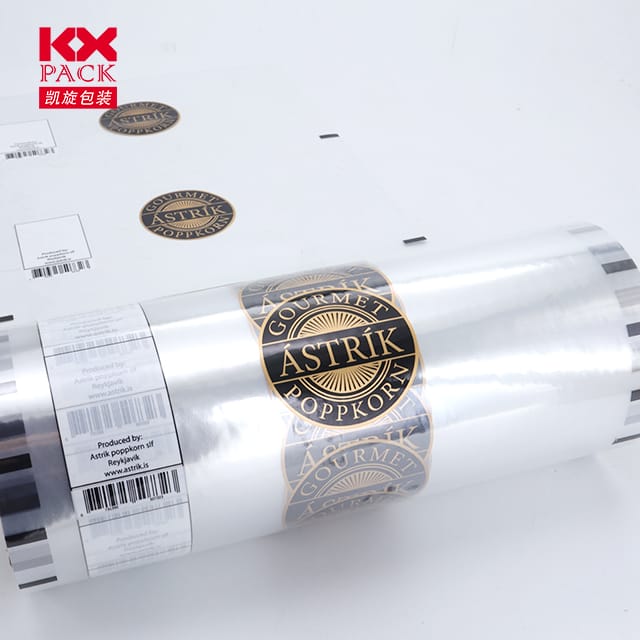
Doorzichtige plastic folie zorgt ervoor dat producten zichtbaar zijn, het vergroten van de aantrekkelijkheid van de detailhandel. Voor consumenten, het biedt een “Zie-voor-je-koopt” voordeel.
De milieutol
- Niet biologisch afbreekbaar: Het duurt eeuwen voordat traditionele plastic folie is afgebroken, bijdragen aan stortplaatsen en oceaanvervuiling.
- Microplastics: Terwijl plastic afbreekt, er komen microplastics vrij die ecosystemen vervuilen en in de voedselketen terechtkomen.
- Koolstofvoetafdruk: De productie is afhankelijk van fossiele brandstoffen, bijdragen aan de uitstoot van broeikasgassen.
Staatswaarschuwing: De Ellen MacArthur Foundation schat dat op 2050, Plastic zou zwaarder kunnen wegen dan de vis in de oceaan.
Innovatieve oplossingen & Alternatieven
- Biologisch afbreekbaar & Composteerbare films
- PLA (Polylatuszuur): Afkomstig uit maïszetmeel of suikerriet, het ontleedt in industriële composteringsinstallaties.
- PHA (Polyhydroxyalkanoaten): Een biologisch afbreekbaar plastic geproduceerd door microbiële fermentatie.
- Plantaardige films
Materialen zoals cellulose (uit houtpulp) of agar (uit zeewier) composteerbaar aanbieden, niet-giftige opties. - Herbruikbaar & Recyclebare systemen
- Bijenwaswikkels: Een natuurlijk, wasbaar alternatief voor huishoudfolie.
- Siliconen deksels: Duurzame hoezen voor kommen en containers.
- Herbruikbare verpakking: Sommige bedrijven testen herbruikbare plastic kratten of containers.
- Chemische recycling
Opkomende technologieën breken plastic polymeren af tot grondstoffen, circulaire productie mogelijk maken.
Hoe u een verschil kunt maken
- Verminderen: Kies voor losse producten, koop in bulk, of kies producten met een minimale verpakking.
- Hergebruik: Hergebruik plastic folie voor taken zoals het bedekken van restjes of het beschermen van planten.
- Recyclen: Controleer de lokale richtlijnen. Sommige regio's accepteren schone plastic folie voor recycling.
- Steun Eco-merken: Steun bedrijven die composteerbare of gerecyclede materialen gebruiken.
De toekomst van plasticfolie
Terwijl Plastic film voor verpakking gaat niet van de ene op de andere dag weg, er is vooruitgang gaande. Overheden handhaven strengere regels (bijv., de EU-richtlijn voor eenmalig gebruik van kunststoffen), en industrieën investeren in groenere alternatieven. Consumenten, te, de macht behouden – door duurzaamheid te eisen, we duwen de markt richting innovatie.
Laatste gedachten
Plastic film voor verpakking heeft een revolutie teweeggebracht in de verpakking, maar de milieukosten ervan vallen niet te ontkennen. Door alternatieven te omarmen, verstandig recyclen, en het ondersteunen van milieubewuste merken, we kunnen de impact ervan verzachten. Laten we streven naar een toekomst waarin gemak en duurzaamheid elkaar niet uitsluiten.
💡Voor de tip: Bij het recyclen van plastic folie, zorg ervoor dat het schoon en droog is om besmetting te voorkomen.
Wat is uw strategie om het gebruik van plastic folie terug te dringen?? Deel uw tips in de reacties!
Trefwoorden: plastic folie voor verpakking, duurzame verpakking, biologisch afbreekbare plastic folie, composteerbare alternatieven, plastic afval verminderen, milieuvriendelijke verpakkingsoplossingen