Evolusi dan Kesan Filem Plastik: Daripada Inovasi kepada Kemampanan (3)Cabaran
Filem Plastik
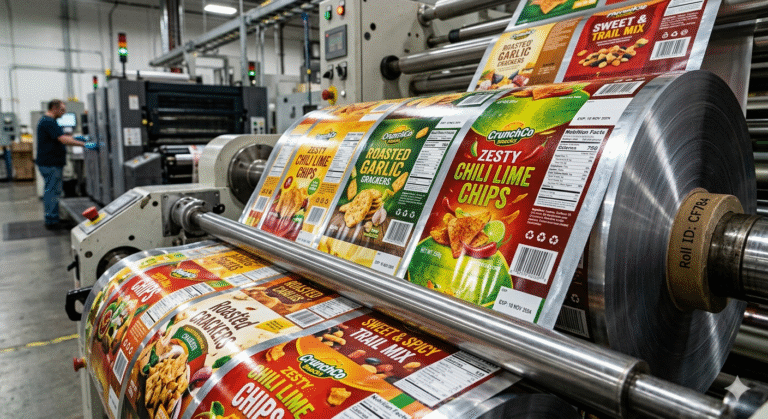
Filem plastik, bahan yang serba boleh tetapi sering tidak dihargai, meresapi kehidupan moden dalam pelbagai cara. Daripada pembungkusan makanan dan melindungi tanaman kepada mempertingkatkan peranti perubatan dan bangunan penebat, ketahanannya yang ringan dan keberkesanan kos menjadikannya amat diperlukan. Namun begitu, Sebagai kebimbangan alam sekitar gunung, industri filem plastik menghadapi titik perubahan yang kritikal: mengimbangi inovasi dengan kemampanan.
Keajaiban Pelbagai Rupa: Aplikasi di seluruh industri
Kebolehsuaian filem plastik berpunca daripada komposisinya—biasanya polietilena (PE), polipropilena (PP), atau polyvinyl chloride (PVC)—yang boleh disesuaikan untuk kegunaan tertentu:
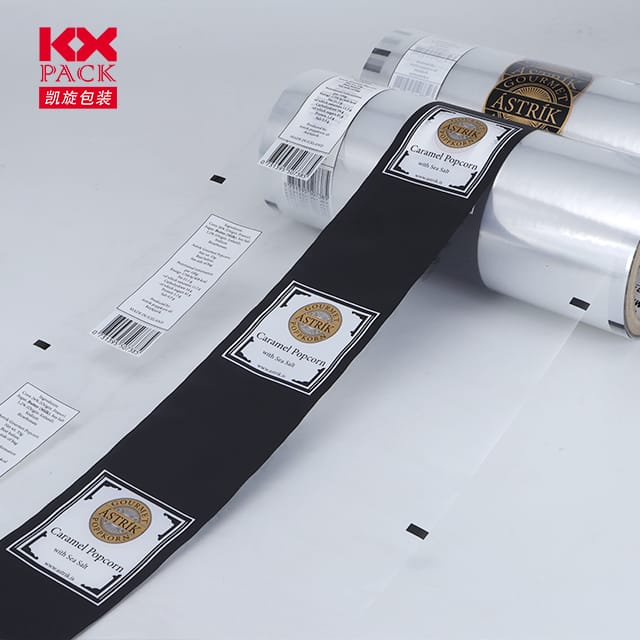
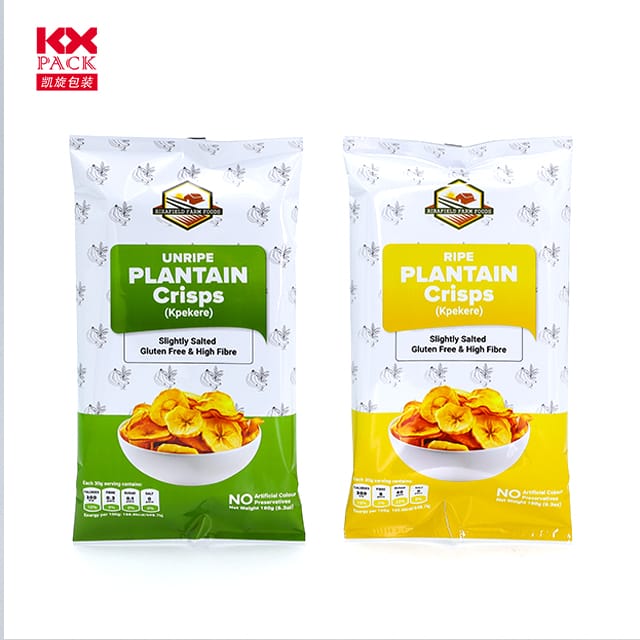
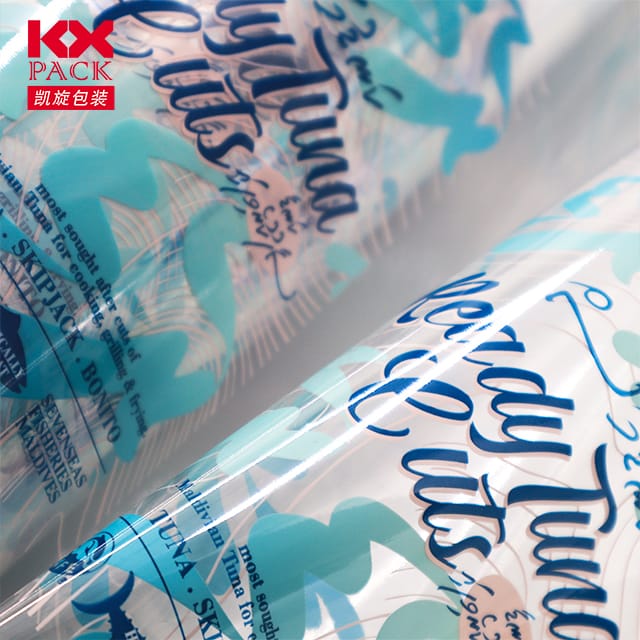
- Pembungkusan Makanan: Filem regangan, berpaut bungkus, dan kantung bertutup vakum memanjangkan jangka hayat dan mengurangkan sisa.
- pertanian: Filem mulsa menjimatkan air, menindas rumpai, dan meningkatkan hasil tanaman sehingga 30% di kawasan gersang.
- Penjagaan kesihatan: Balutan steril untuk instrumen pembedahan dan pek lepuh untuk farmaseutikal memastikan keselamatan dan kebersihan.
- Pembinaan: Penghalang wap dan filem pengecutan melindungi bangunan daripada kelembapan semasa pembinaan.
Pasaran filem plastik global, dihargai pada$160 bilion dalam 2023, diunjurkan berkembang pada 4.5% setiap tahun, didorong oleh ekonomi sedang pesat membangun dan permintaan pembungkusan e-dagang.
Teka -teki alam sekitar: Pedang bermata dua
Walaupun kegunaannya, jejak alam sekitar filem plastik tidak dapat dinafikan:
- Pengumpulan Sisa: Filem plastik sekali guna, seperti beg membeli-belah dan pembalut makanan, akaun untuk20% pencemaran plastik marin, menjerat hidupan liar dan mikroplastik yang menyusup ekosistem.
- Rintangan kitar semula: Nipis, filem berbilang lapisan sukar diisih dan diproses, dengan kadar kitar semula yang berlegar-legar5–15% di negara maju.
- Ancaman mikroplastik: Filem pecahan membebaskan zarah-zarah kecil ke dalam tanah dan air, menimbulkan risiko kepada kesihatan manusia melalui rantaian makanan.
Tekanan pengawalseliaan, seperti EUArahan Plastik Sekali Pakai dan larangan China ke atas beg tidak boleh rosak, memaksa industri memikirkan semula peranan filem plastik.
Penyelesaian Perintis untuk Masa Depan Pekeliling
Untuk menangani cabaran ini, pengilang dan inovator sedang meneroka alternatif yang mampan:
- Filem Biodegradable dan Compostable:
- Bahan seperti PLA (asid polilaktik), berasal daripada kanji jagung, dan PBAT (polybutylene adipate terephthalate) menawarkan pilihan mesra alam. Jenama sukaNatureWorks danBASF sedang meningkatkan pengeluaran.
- Kajian kes: Rangkaian pasar raya UK menggantikan beg konvensional dengan filem PLA kompos, mengurangkan sisa plastik dengan 40%.
- Teknologi Kitar Semula Termaju:
- Kitar semula bahan kimia memecahkan plastik campuran menjadi bahan mentah, membolehkan sistem gelung tertutup.
- Kitar semula mekanikal menaik taraf filem pasca pengguna kepada pembalut palet atau bahan binaan.
- Alternatif Boleh Digunakan Semula dan Lebih Nipis:
- Penghalang tinggi, filem mono-bahan yang boleh dikitar semula (cth., Pembungkusan PE sahaja) memudahkan kitar semula.
- Inovasi sepertisalutan berasaskan rumpai laut yang boleh dimakan untuk hasil segar boleh menghapuskan pembalut sekali guna sepenuhnya.
Kerjasama Industri dan Pemacu Dasar
Kerajaan dan syarikat sedang menjajarkan untuk mempercepatkan perubahan:
- Tanggungjawab pengeluar yang dilanjutkan (EPR) skim di EU dan A.S. memberi mandat kepada jenama untuk membiayai infrastruktur kitar semula.
- Komitmen Korporat: Unilever, Nestlé, dan Walmart bertujuan untuk menggunakan 100% pembungkusan kitar semula atau boleh guna semula oleh 2025, mendorong permintaan untuk filem lestari.
- Inovasi Pertanian: Filem sungkupan biodegradasi, diuji di India dan A.S., terurai dalam 180 hari, mengurangkan pencemaran tanah.
Jalan Hadapan: Mengimbangi Kemajuan dan Planet
Masa depan filem plastik bergantung pada tiga tiang:
- Inovasi Bahan: Menskala alternatif berasaskan bio dan boleh dikitar semula tanpa menjejaskan prestasi.
- Reka Bentuk Pekeliling: Mengutamakan kebolehgunaan semula, kebolehkitar semula, dan kebolehkomposan dalam pembangunan produk.
- Penglibatan Pengguna: Mendidik orang ramai tentang pelupusan yang betul dan menyokong sistem guna semula.
Apabila teknologi semakin matang dan dasar semakin ketat, filem plastik boleh beralih daripada simbol bahaya alam sekitar kepada mercu tanda inovasi yang mampan. Cabarannya bukan pada meninggalkan bahan serba boleh ini, tetapi dalam membayangkan semula kitaran hayatnya—daripada sisa linear kepada sumber bulat.
Sumber: Smithers Pira, Yayasan Ellen MacArthur, Laporan Industri 2024
Kesimpulan: Filem plastik, sekali menjadi ciri kemudahan, kini berdiri di persimpangan jalan. Dengan memeluk inovasi, kerjasama, dan pengawasan alam sekitar, industri boleh melindungi kedua-dua keperluan manusia dan masa depan planet ini. Perjalanan telah bermula—adakah kita akan menyahut cabaran?