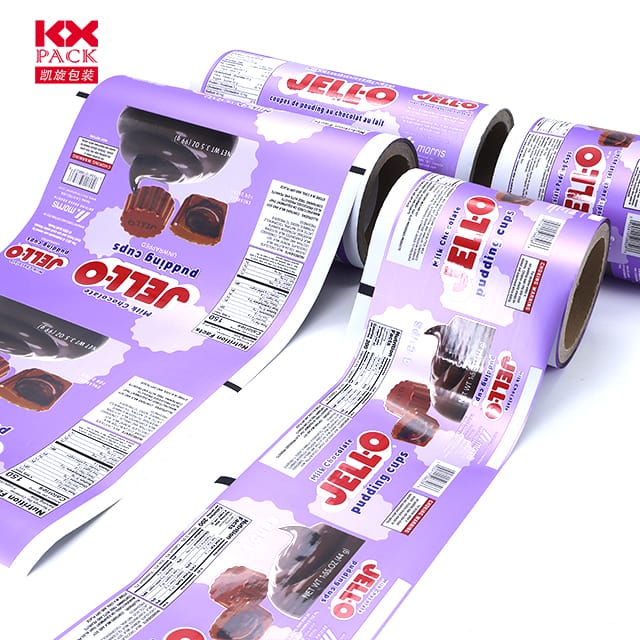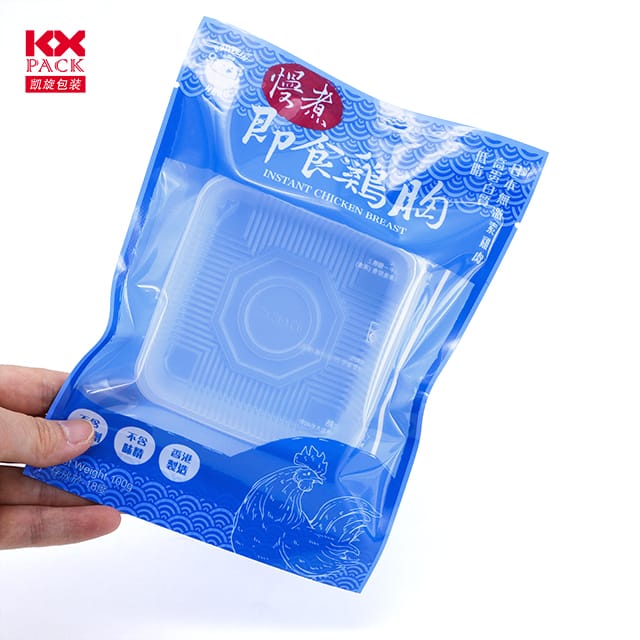
Bungkus Filem Makanan: Wira Kecekapan dan Kelestarian Dapur yang Tidak Didendang
Bungkus Filem Makanan
In kitchens worldwide, yang telus, wira lekat secara senyap-senyap mengekalkan kesegaran, menghalang pembaziran, dan menyesuaikan diri dengan tuntutan kemampanan moden: Bungkus Filem Makanan (juga dikenali sebagai bungkus plastik atau filem berpaut). Ruji dapur sederhana ini telah berkembang daripada alat kemudahan menjadi simbol inovasi—dan kontroversi—semasa kita mengimbangi kepraktisan dengan tanggungjawab alam sekitar. Let’s unravel the story of food film wrap, its role in daily life, and its future in a greener world.
The Origins: From Military Tech to Kitchen Drawer
Food film wrap’s journey began in the 1930s when a lab accident during cellophane production led to the discovery of polyvinylidene chloride (PVDC), a stretchy, moisture-resistant material. Initially used for military packaging, it entered civilian kitchens post-WWII asSaran Wrap, revolutionizing food storage. Its ability to create an airtight seal against containers and surfaces made it a must-have for busy households.
Lama kelamaan, manufacturers introduced alternatives like polyethylene (PE) and biodegradable films, catering to eco-conscious consumers. Hari ini, food film wrap is no longer just a single-use plastic—it’s a category of solutions designed for versatility and sustainability.
Mengapa Kami Menyukainya: The Practical Perks
- Freshness Preservation: By blocking air and moisture, food film wrap extends the shelf life of leftovers, buah-buahan, dan keju, mengurangkan sisa makanan (and grocery bills).
- Wira Kebersihan: It acts as a barrier against bacteria and odors, keeping refrigerators clean and cross-contamination at bay.
- Versatility Unmatched: From wrapping sandwiches for lunchboxes to covering dough during proofing, its clingy nature molds to any shape.
- Space-Saving: Unlike bulky containers, film wrap flattens easily, optimizing fridge and pantry space.
Dilema alam sekitar: Kemudahan vs. Planet
Walaupun faedahnya, traditional food film wrap has a dark side. Most varieties are non-recyclable and take centuries to decompose, contributing to plastic pollution in oceans and landfills. Plastik guna tunggal, including film wrap, face growing scrutiny as governments and consumers demand eco-friendly alternatives.
This has sparked innovation:
- Filem Biodegradable: Diperbuat daripada bahan berasaskan tumbuhan seperti jagung, these break down in compost within months.
- Pilihan yang boleh diguna semula: Penutup makanan silikon, bungkus lebah, and fabric bowl covers offer durable, washable alternatives.
- Filem yang boleh dimakan: Researchers are developing edible coatings from seaweed or starch to wrap produce directly.
Masa depan: Pintar, Mampan, and Circular
The next generation of food film wrap aims to merge functionality with planetary health:
- Filem pintar: Embedded with sensors to detect food spoilage or release natural preservatives.
- Reka Bentuk Pekeliling: Films made from recycled plastics or designed for easy recycling.
- Zero-Waste Kitchens: Brands are promoting “refill stations” for bulk film rolls to cut packaging waste.
How to Make Smarter Choices Today
While the industry adapts, consumers can take action:
- Pilih untuk Boleh Digunakan Semula: Invest in silicone lids or beeswax wraps for daily use.
- Kitar Semula Betul: Check local guidelines—some areas accept clean, dry PE film at grocery drop-off points.
- Mengurangkan penggunaan: Store leftovers in glass containers or mason jars instead.
- Support Innovation: Choose brands experimenting with biodegradable or compostable options.
Kesimpulan: A Tool in Transition
Food film wrap’s story mirrors our broader struggle with plastic. Once a symbol of modern convenience, it now represents the urgent need for sustainable innovation. While alternatives gain traction, traditional film wrap still plays a role in reducing food waste—a critical step in fighting climate change.
The key lies in mindful consumption: using film wrap only when necessary, opting for eco-friendly versions, and advocating for systemic change. Lagipun, preserving food shouldn’t come at the cost of preserving our planet.
What’s your go-to food storage hack? Share your tips (or favorite reusable wrap brands) dalam komen di bawah!
Kata kunci: Bungkus Filem Makanan, sustainable kitchen, sisa plastik, biodegradable cling film, pengawetan makanan