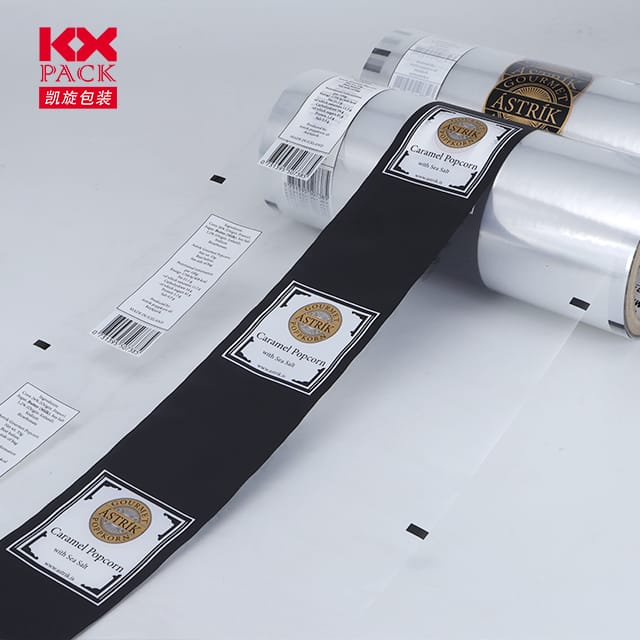
Хүнсний савлагааны хальс, хүнсний сав баглаа боодлын хальс: Шинэлэг байдлын эцсийн гарын авлага, Аюулгүй байдал, тогтвортой байдал
Амтыг нь хадгалах тухайд, даавуу, болон таны дуртай хоолны тэжээллэг чанар, Манай гал тогоо, ханган нийлүүлэлтийн сүлжээний үл мэдэгдэх баатрууд хүнсний боолттой кино болон хүнсний сав баглаа боодлын хальс. Та өнгөрсөн шөнийн лазаньяаг хатахгүй байхыг хичээдэг гэрийн тогооч эсэхээс үл хамааран, эсвэл арилжааны хүнсний үйлдвэрлэгч нарийхан бүтээгдэхүүнийг орон даяар тээвэрлэдэг, зөв материалыг сонгох нь хамгийн чухал юм.
Гэхдээ шударга байцгаая: уян хатан сав баглаа боодлын ертөнц үнэхээр төөрөгдүүлж магадгүй юм. PVC гэх мэт нэр томъёогоор, PE, Саад бэрхшээлийн шинж чанарууд, болон биологийн задралын эргэн тойронд хаягдсан, яг юу болохыг яаж мэдэх вэ?
Энэхүү дэлгэрэнгүй гарын авлагад, Бид таны мэдэх ёстой бүх зүйлийг задлах болно хүнсний боолттой кино шийгэлэл, дахь хамгийн сүүлийн үеийн шинэчлэлийг судлах хүнсний сав баглаа боодлын хальс, мөн танд мэдээлэл өгөхөд тусална, байгальд ээлтэй сонголтууд.
Хоолны хальс нь яагаад гал тогооны зайлшгүй шаардлагатай вэ?
Бид бүгд тэнд байсан - хагас идсэн авокадо ширтсэн, бор болж хувирахыг нь яаж зогсоох вэ гэж гайхаж байна, хоолны дуршилгүй амтлагч. Энэ бол өндөр чанартай хүнсний боолттой кино орох.
Түүний үндсэн дээр, наалдамхай боолт нь хоёр зүйлийг маш сайн хийхээр бүтээгдсэн: гадаргууд наалдаж, хүчилтөрөгчийг блоклох.
Сунгах шинжлэх ухаан
Түүхийн хувьд, поливинил хлорид (Татах PSV) Гайхамшигтай суналт, наалдамхай чанараараа гэр ахуйн наалдамхай боодолд хэрэглэхэд тохиромжтой материал байсан.. Гэсэн хэдий ч, эрүүл мэнд, хүрээлэн буй орчны асуудал хөгжсөөр, үйлдвэр Полиэтилен рүү ихээхэн шилжсэн (PE).
Орчин үеийн PE хүнсний боолттой кино хоргүй санал болгож байна, Таны хоолонд хортой химийн бодис шингээхгүйгээр чийгийг найдвартай хаадаг BPA агуулаагүй хувилбар.. Энэ нь хатуу байдлыг бий болгодог, исэлдэлтийн процессыг эрс удаашруулдаг бичил орчин, жимсээ хадгалах, хүнсний ногоо, ба уураг нь илүү олон хоногоор шинэчлэгдэнэ.
Тоглоомыг дээшлүүлж байна: Арилжааны хүнсний сав баглаа боодлын хальс
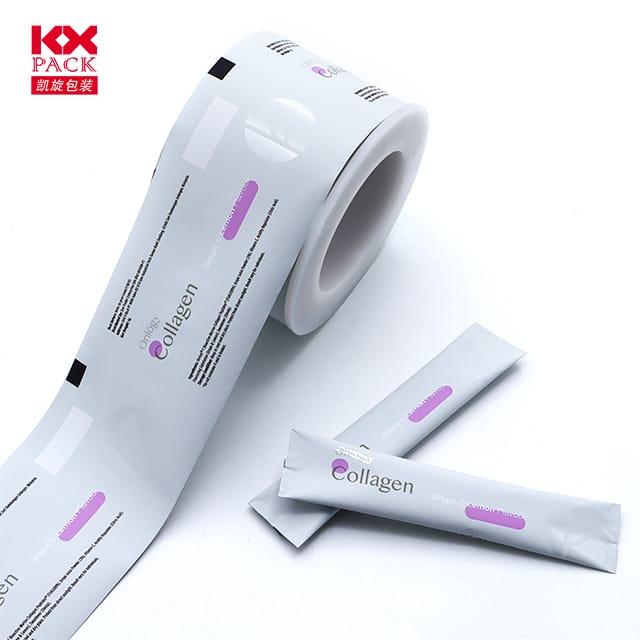
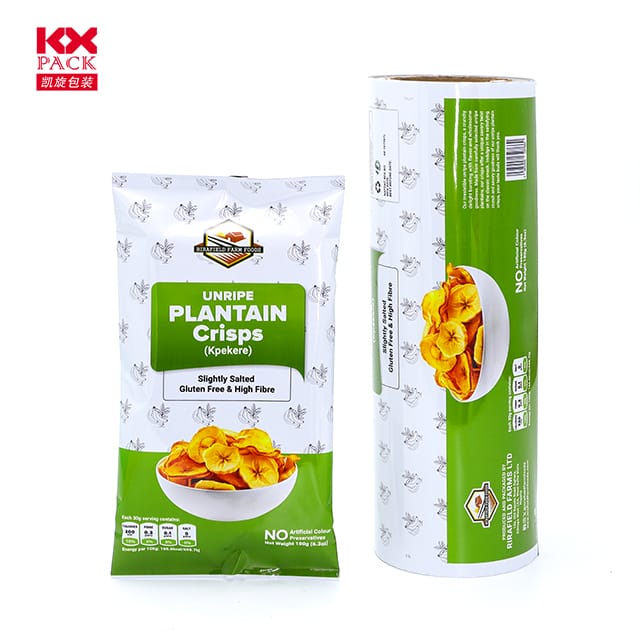
Стандарт наалдамхай боолт нь дотоодын хэмжээнд богино хугацаанд хадгалахад тохиромжтой, дэлхийн хүнсний үйлдвэрлэл илүү хүчтэй зүйлийг шаарддаг. Үйлдвэрлэлд орно хүнсний сав баглаа боодлын хальс. Эдгээр нь таны хүнсний дэлгүүрийн дундаж боодол биш юм; тэд өндөр инженерчлэлтэй, Хадгалах хугацааг хоногоос сар болгон уртасгах зориулалттай олон давхаргат технологийн гайхамшиг.
1. Өөрчлөгдсөн уур амьсгалын сав баглаа боодол (Газрын зураг)
Ууттай ногоон салат хэдэн долоо хоногийн турш төгс яруу хэвээр байдгийг та бодож байсан уу?? Үүний нууц нь мэргэшсэн зүйлд оршдог хүнсний сав баглаа боодлын хальс MAP-д ашигласан. Эдгээр кинонууд нь хий нэвчих чадварын тодорхой хурдаар хийгдсэн байдаг. Тэд хүчилтөрөгчийн нарийн тэнцвэрийг хангах боломжийг олгодог, нүүрстөрөгчийн давхар исэл, ба азот нь савлагаа дотор байх болно, хүнсний хөгшрөлтийн процессыг үр дүнтэй болгох “унтах.”
2. Өндөр саад тотгорууд
Махны хувьд, бяслаг, болон боловсруулсан хоол хүнс, чийг ба хүчилтөрөгч бол ард түмний №1 дайсан юм. Дэвшилттэй хүнсний сав баглаа боодлын хальс олон давхаргыг ашигладаг - ихэвчлэн нейлоныг хослуулдаг, Сүнс, ба полиэтилен - нэвтэршгүй хаалт үүсгэх. Энэ нь хөлдөөгчийг шатаахаас сэргийлнэ, үнэрт түгжигдэнэ, мөн дамжин өнгөрөх үед хөндлөн бохирдох эрсдэлийг арилгана.

Ногоон хувьсгал: Байгальд ээлтэй сав баглаа боодлын шийдэл
Өрөөнд байгаа заан руу хандъя: хуванцар хог хаягдал. Нэг удаагийн хуванцар дээр уламжлалт найдвар хүнсний боолттой кино байгаль орчныг сүйтгэхэд нөлөөлсөн нь дамжиггүй. Аз болоход, сав баглаа боодлын салбар асар том ногоон өөрчлөлтийг хийж байна.
Өнөөдөр хэрэглэгчид тогтвортой байдлыг шаардаж байна, болон үйлдвэрлэгчид шинэлэг шинэлэг зүйлээр дэвшилтэт алхам хийж байна:
- PLA (Хар зүүлт) Кино: Эрдэнэ шишийн цардуул эсвэл Sugarcane гэх мэт сэргээгдэх нөөцөөс гаралтай, Эдгээр хальс нь үйлдвэрлэлийн нөхцөлд бүрэн бордоо болдог.
- Целлюлоз дээр суурилсан боолт: Модны нухашаар хийсэн, Эдгээр нь маш сайн тунгалаг, саад тотгорын шинж чанартай бөгөөд байгалийн жамаар задрах чадвартай.
- Дахин боловсруулж болох monomaterials: Уламжлал ёсоор, Давхаргыг салгах боломжгүй байсан тул олон давхаргат хальсыг дахин боловсруулах боломжгүй байв. Шинэ инженерчлэл нь олон давхаргыг ашиглах боломжийг олгодог хүнсний сав баглаа боодлын хальс бүхэлдээ ижил полимер гэр бүлээс хийгдсэн (бүх полиэтилен шиг), тэднийг хийх 100% дахин боловсруулах боломжтой.
Байгальд ээлтэй хувилбаруудыг сонгох нь гүйцэтгэлийг золиослох гэсэн үг биш юм. Хамгийн сүүлийн үеийн био суурилсан кинонууд ижил наалдацыг санал болгодог, тодорхой, мөн газрын тосонд суурилсан өвөг дээдсийн хувьд хүч чадал.
Өөрийн хэрэгцээнд тохирсон киног хэрхэн сонгох вэ
Зах зээл дээр маш олон сонголттой, Тохиромжтой материалыг сонгох нь маш хэцүү санагдаж магадгүй юм. Шийдвэр гаргахад тань туслах хурдан задаргаа энд байна:
| Хүсэлт | Санал болгож буй материал | Гол ашиг тус |
| Өдөр тутмын үлдэгдэл & Дотоодын хэрэглээ | Полиэтилен (PE) хүнсний боолттой кино | Аюулгүй, химийн бодис агуулаагүй, хэрэглэхэд хялбар |
| Шинэ мах & Шувууны аж ахуй (Арилжааны) | PVC буюу өндөр саадтай хамтран шахмал хальс | Хүчилтөрөгч дамжуулах маш сайн хяналт, дээд зэргийн тод байдал |
| Хөлдөөний хоол хүнс | Түгжээ хүнсний сав баглаа боодлын хальс (Гэрийн тэжээвэр амьтан / pe) | Цоорох өндөр эсэргүүцэл, хөлдөөгчийг шатаахаас сэргийлнэ |
| Эко ухамсартай брэндүүд | Бордооны ХАЧА эсвэл мономатериал PE | Нүүрстөрөгчийн ул мөрийг бууруулдаг, ногоон хэрэглэгчдэд уриалж байна |
Аюулгүй хүнс хадгалах шилдэг туршлага
Хамгийн их ашиг тусыг авахын тулд хүнсний боолттой кино, эдгээр практик зөвлөмжийг санаарай:
- Өндөр дулаанаас зайлсхий: гэж тодорхой тэмдэглэгээгүй л бол кино “богино долгионы аюулгүй,” халаах явцад тослог эсвэл сахар ихтэй хоолонд хүрэхээс зайлсхий, Учир нь хүчтэй халуун нь хальсыг хайлахад хүргэдэг.
- Хатуу битүүмжлэлийг баталгаажуулна уу: Савыг боох үед, ирмэгүүд нь хуурай эсэхийг шалгаарай. Хуурай хүрээ нь үүнийг зөвшөөрдөг хүнсний боолттой кино зохих агаар үл нэвтрэх холбоос үүсгэх.
- Зөв хадгалах: Ашиглагдаагүй хальсан хальсаа сэрүүн газар хадгалаарай, наалдамхай чанарыг хадгалахын тулд нарны шууд тусгалаас хол хуурай газар.
Шилдэг бодоно: Хүнсний хадгалалтын ирээдүй
-ийн хувьсал хүнсний боолттой кино болон арилжааны хүнсний сав баглаа боодлын хальс Бид хүнсний аюулгүй байдал, байгаль орчны хариуцлага хоёрын аль нэгийг сонгох шаардлагагүй гэдгийг баталж байна. Технологи урагшлах тусам, Бид илүү ухаалаг сав баглаа боодол буюу хоол муудах үед өнгө нь өөрчлөгддөг хальсыг тэсэн ядан хүлээж байна, эсвэл далайн ургамлын уурагаар хийсэн хүнсний боодол.
Бидний хоол хүнсээ хамгаалахын тулд ашигладаг материалыг ойлгосноор, бид хүнсний хог хаягдлыг багасгаж чадна, мөнгө хэмнэх, мөн манай гаригт хүндэтгэлтэй хандах сонголт хийх.
Тогтвортой савлагааны ирээдүйн талаар та ямар бодолтой байна вэ?? Та бордоо боодол руу шилжсэн үү?? Доорх сэтгэгдэл дээр бидэнд мэдэгдээрэй!