Хүнсний зэрэглэлийн савлагаа ба савлагааны өнхрөх шилдэг гарын авлага: Шинэлэг байдал, нийцлийг хамгаалах
Хүнсний бүтээгдэхүүнийг олноор үйлдвэрлэх тухайд, Зөв уян хатан сав баглаа боодол сонгох нь зөвхөн дизайны сонголт биш, бизнесийн чухал шийдвэр юм. Хэрэв та хүнсний брэнд эзэмшигч бол, худалдан авах ажиллагааны мэргэжилтэн, эсвэл зууш үйлдвэрлэгч, Таны сав баглаа боодол гурван зүйлийг өөгүй хийх ёстой: бүтээгдэхүүний хадгалах хугацааг хадгалах, хүнсний аюулгүй байдлын хатуу дүрмийг дагаж мөрдөх, өндөр хурдны автомат машин дээр саадгүй ажиллах.
Орчин үеийн хүнсний хангамжийн сүлжээнд давамгайлж буй хамгийн үр дүнтэй хоёр хэлбэр хүнсний зориулалттай уут болон хүнсний сав баглаа боодлын ороомог (rollstock гэж бас нэрлэдэг).
Гэхдээ урьдчилан бэлтгэсэн уут болон автомат иж бүрдэл хоёрыг хэрхэн сонгох вэ? Ямар техникийн үзүүлэлтүүд нь чийг, хүчилтөрөгч нэвтрэхээс сэргийлдэг? Энэхүү дэлгэрэнгүй гарын авлагад, бид механикийг эвдэх болно, материаллаг бүтэц, Үйлдвэрлэлийн шугамаа оновчтой болгоход туслах эдгээр чухал савлагааны форматын ард зохицуулалтын стандартууд.
Үндсэн бүрэлдэхүүн хэсгүүдийн талаархи ойлголт
Үйл ажиллагааны үр ашигтай байдалд орохоос өмнө, Бид яг юутай ажиллаж байгаагаа, тэдгээр нь үйлдвэрлэлийн хүнсний үйлдвэрлэлд хэрхэн нийцэж байгааг тодорхойлъё.
Хүнсний зэрэглэлийн уут гэж юу вэ?
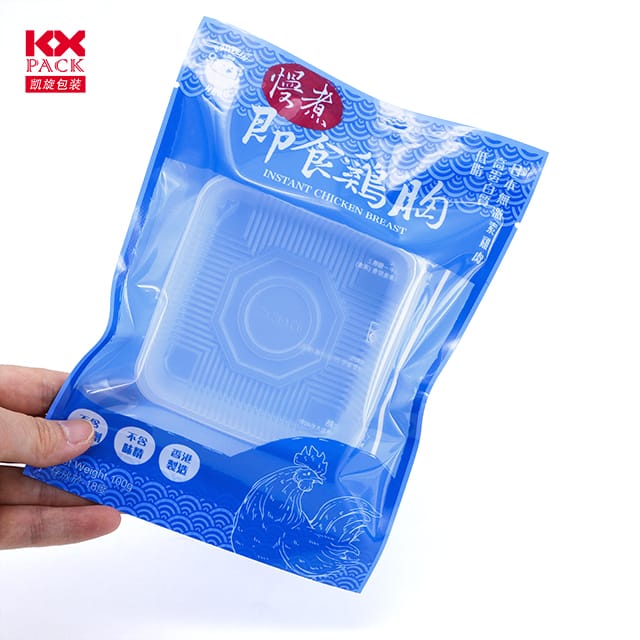
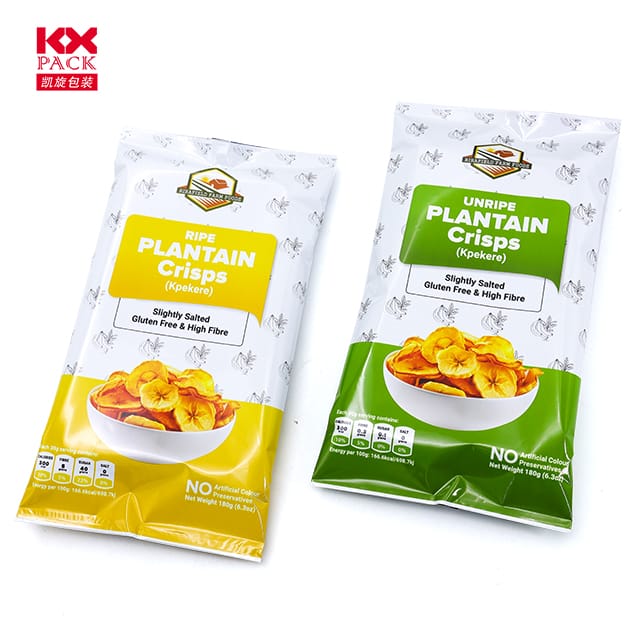
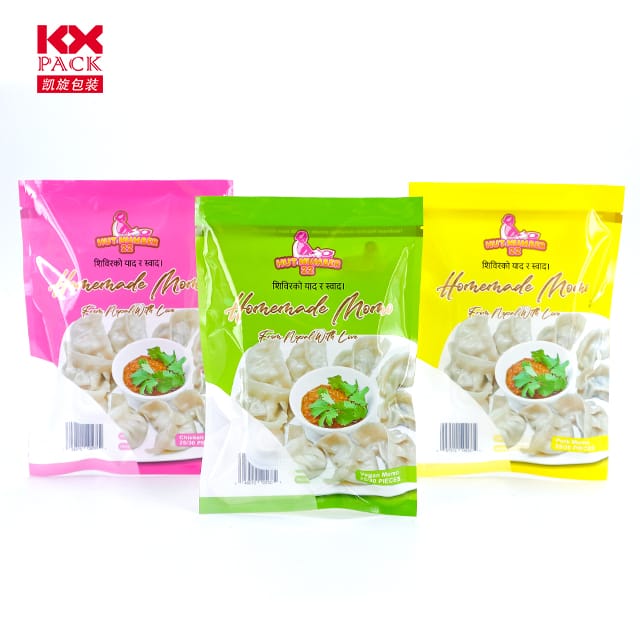
А хүнсний зориулалттай уут жижиг юм, битүүмжилсэн уут нь ихэвчлэн нэг удаа үйлчлэхэд ашиглагддаг, дээжийн багц, эсвэл амтлагч. Кофены савхыг бодоорой, чихрийн багц, амтлагчийн холимог, болон тэжээлийн нунтаг. Нэр томъёо “хүнсний зэрэг” Энэ нь бүтээгдэхүүнтэй шууд харьцдаг дотоод давхарга нь бүрэн хоргүй, химийн идэвхгүй гэсэн гэрчилгээтэй гэсэн үг юм, хоолонд хортой бодис орохгүй байх.
Хүнсний сав баглаа боодол гэж юу вэ?
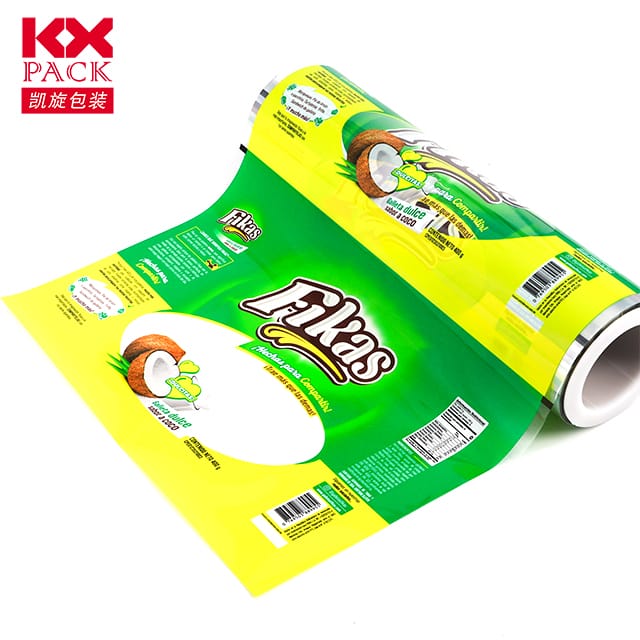
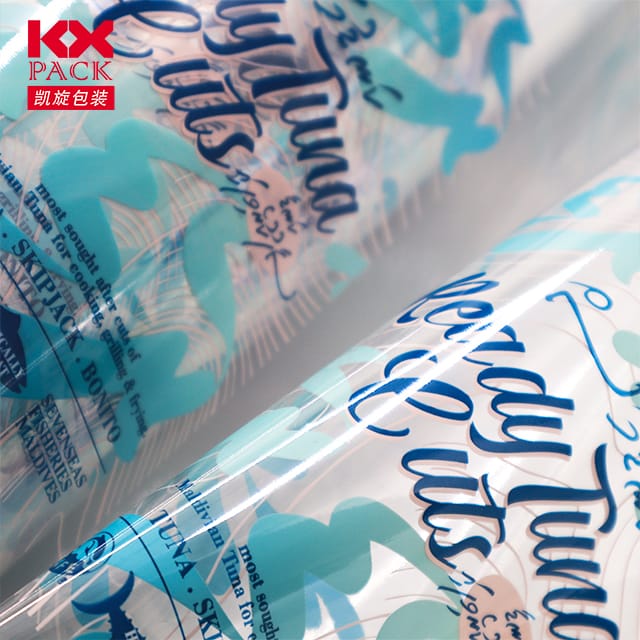
А хүнсний сав баглаа боодлын ороомог (эсвэл өнхрөх хальс) тасралтгүй юм, хэлбэржүүлээгүй хэвлэмэл материал нь голын эргэн тойронд шархадсан. Энэ нь Form-Fill-Seal-д зориулагдсан (Гутал) машинууд. Автоматжуулсан машин нь хальсыг өнхрөхөөс татдаг, уут эсвэл уут болгон хэлбэржүүлдэг, хүнсний бүтээгдэхүүнийг дотор нь унагадаг, мөн дулаанаар битүүмжлэх - бүгдийг нь нэг дор, өндөр хурдны ажиллагаа.
Материалын инженер: Олон давхаргат хаалт
Нэг давхаргат хуванцар нь үүнийг арилжааны хүнсний сав баглаа боодол дээр огтолдоггүй. Хоол хүнсийг орчны чийгшилээс хамгаалах, хэт ягаан туяа, болон хүчилтөрөгч, үйлдвэрлэгчид хамтарсан шахмал эсвэл хавтасласан бүтцийг ашигладаг. Давхарга бүр нь маш тодорхой үүрэг гүйцэтгэдэг:
- Гадаад давхарга (PET / Боп дугуй): Энэ бол хэвлэх субстрат юм. Энэ нь маш сайн суналтын бат бэхийг санал болгодог, өндөр дулаан эсэргүүцэл (тиймээс битүүмжлэх явцад хайлдаггүй), мөн брэндийн гялгар эсвэл царцсан өнгөлгөө.
- Саад давхарга (AL / VMPET / Сүнс): Энэ бол бамбай юм. Хөнгөн цагаан тугалган цаас (AL) гэрэл болон хийн эсрэг бараг төгс саадыг санал болгодог боловч өртөг өндөртэй байж болно. Вакуум металлжуулсан PET (VMPET) маш сайн цацруулагч шинж чанартай, хэмнэлттэй хувилбарыг санал болгож байна, хооронд Сүнс Хүчилтөрөгчийн өндөр эсэргүүцэл шаарддаг тунгалаг савлагаанд маш тохиромжтой.
- Хүнсний дотоод давхарга (PE / CPP): Битүүмжлэх давхарга. Шугаман бага нягтралтай полиэтилен (Lldpe) болон Цутгасан полипропилен (CPP) бага хайлах цэгтэй, Гаднах давхаргыг гэмтээхгүйгээр дулаан, даралтын дор найдвартай хайлуулах боломжийг олгодог..

Гол ялгаа: Урьдчилан хийсэн уут vs. Автоматжуулсан Rollstock
Хэрэв та үйлдвэрлэлээ өргөжүүлж байгаа бол, Бэлэн уут эсвэл хөрөнгө оруулалт ихтэй машин худалдаж авах эсэхээ шийдэх нь чухал үе шат юм..
| Онцлог | Хүнсний зэрэглэлийн уут (Урьдчилан хийсэн) | Хүнсний сав баглаа боодлын ороомог(Rollstock) |
| Эх хэн нь хөгжил | Олиггүй. FFS-ийн нарийн төвөгтэй машин шаардлагагүй. | Өндөр. Сав баглаа боодлын автомат шугамыг шаарддаг. |
| Үйлдвэрлэлийн хурдасдэг | Удаан (гараар эсвэл хагас автоматаар дүүргэх). | Хэт хурдан (минутанд хэдэн зуун нэгж). |
| Материалын хаягдал | Хамгийн бага эхлэлийн хаягдал. | Шалгалт тохируулгын явцад дунд зэргийн тохиргооны хаягдал. |
| Нэгжийн өртөг | Нэгжийн үнэ өндөр. | Хэмжээгээр нэгжийн өртөг мэдэгдэхүйц бага. |
| Хамгийн тохиромжтой | Зах зээлийн туршилт, богино гүйлт, олон төрлийн SKU шугамууд. | Өндөр эзэлхүүнтэй үдээс, тасралтгүй үйлдвэрлэл. |
Хатуу дагаж мөрдөх: Юу вэ “Хөдөлмөрийн зэрэг” Үнэхээр гэсэн үг
Олон улсын хүнсний эрүүл мэндийн стандартын тухай ярихад та товчлолыг төлж чадахгүй. Сав баглаа боодолдоо найдвартай үйлдвэрлэгч түнш хайхдаа, та тэдгээрийн байгууламж, түүхий эд нь хүчинтэй гэрчилгээтэй эсэхийг шалгах ёстой.
Хамгийн багадаа, материал хангасан байх ёстой Хуруу (Хоол хүнс, эмийн удирдлага) хоол хүнстэй харьцах дүрэм. Европ руу экспортлох брэндүүдийн хувьд, дагаж мөрдөх ЕХ-ны суурь зохицуулалт (Үйлчил) -Гүй / -битгий 1935/2004 заавал байх ёстой. Цааш нь, хүрээнд үйл ажиллагаа явуулж буй ханган нийлүүлэгчдийг хайх Brcs (Британийн жижиглэн худалдааны консорциум Глобал стандарт) эсвэл Исаа 22000 хүнсний аюулгүй байдлын удирдлагын систем.
Нийлүүлэгчээсээ үргэлж албан ёсоор асуугаарай Нийцлийн тухай мэдэгдэл (Док) масс үйлдвэрлэлд гарын үсэг зурахаас өмнө хүнд металлын шилжилтийн туршилтын тайлан.
Sachet болон Rollstock Sourcing-д тохиолддог нийтлэг бэрхшээлүүд
Үйлдвэрийн шалны асуудлыг олон арван жил шийдсэн, ижил алдаа давтагдаж байгааг бид харж байна. Эдгээр гурван нийтлэг зөрчлөөс зайлсхий:
1. Буруу үрэлтийн коэффициент (COF)
Хэрэв таны хүнсний сав баглаа боодол дээр COF хэт өндөр эсвэл хэт бага байвал, автомат савлах машинуудаар зөв хооллож чадахгүй. Гулсах нь буруу зүсэлт хийхэд хүргэдэг, харин хэт их үрэлт нь машиныг доош чирдэг, саатал, нулимс үүсгэдэг.
2. Дулаан битүүмжлэлийн бат бөх чанар хангалтгүй
Нунтаг эсвэл тослог хүнсний бүтээгдэхүүн (коллагены нунтаг эсвэл салат боолт гэх мэт) өндөр хурдтай дүүргэх үед битүүмжлэх хэсгийг бохирдуулж болно. Хэрэв таны дотоод PE эсвэл CPP давхарга нь битүүмжлэхийн тулд хийгдээгүй бол -аар / -оор бохирдол, Хадгалах хугацааг нь сүйтгэдэг микроскопоор гоожих болно.
3. Хадгалах орчныг үл тоомсорлох
Уян сав баглаа боодлын материал нь хэрэглэхээс өмнө хэт өндөр температур, чийгшилд мэдрэмтгий байдаг. Ороолтыг чийгтэй газар хадгалах, Нөхцөлгүй агуулах нь давхаргыг задлахад хүргэдэг эсвэл цэвэр хэвлэхэд шаардагдах гадаргуугийн хурцадмал байдлыг сүйтгэдэг..
Дүгнэлт: Зөв стратегийн алхам хийх
Урьдчилан хийсэн зүйлсийн хооронд сонголт хийх хүнсний зориулалттай уут болон автоматжуулсан хүнсний сав баглаа боодлын ороомог Таны одоогийн үйлдвэрлэлийн хэмжээ болон урт хугацааны масштабын стратеги хүртэл буурдаг. Шинээр гарч ирж буй брэндүүд эсвэл хязгаарлагдмал тооны бүтээгдэхүүний шугамд зориулагдсан, Урьдчилан хийсэн уут нь таны машин механизмын эрсдэлийг бууруулдаг. Нэгжийн зардлыг бууруулж, өдөр тутмын нэвтрүүлэх чадварыг нэмэгдүүлэхийг зорьж буй тогтсон үйлдвэрлэгчдэд зориулагдсан, дээд зэрэглэлийн rollstock болон автоматжуулсан FFS системд хөрөнгө оруулалт хийх нь алтан стандарт юм.
Туршлагатай хүнтэй хамтрахаа мартуузай, материал судлалыг ойлгодог сертификаттай сав баглаа боодлын үйлдвэр, шилжилт хөдөлгөөний хязгаарлалт, болон машины нийцтэй байдал. Сав баглаа боодлоо зөв аваарай, мөн доторх бүтээгдэхүүн өөрөө өөрийгөө арчлах болно.