Plastmasas iepakojuma plēvju loma un inovācija mūsdienu rūpniecībā (5)
Plastmasas iepakojuma plēves
Mūsdienu straujajā patērētāju pasaulē, plastmasas iepakojuma plēves are ubiquitous yet often overlooked. No svaigu produktu saglabāšanas līdz elektronikas saglabāšanai, šie plāni, elastīgiem materiāliem ir izšķiroša nozīme produktu aizsardzībā, pagarinot glabāšanas laiku, un atkritumu samazināšana. Tomēr, kā vides bažas, nozare attīstās, lai līdzsvarotu funkcionalitāti ar ilgtspējību. Let’s explore the science, pieteikumi, and future of plastic packaging films.
What Are Plastic Packaging Films?
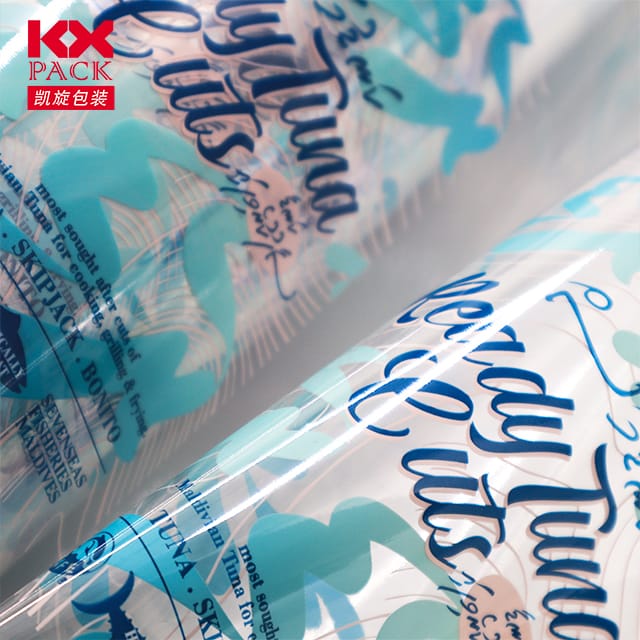
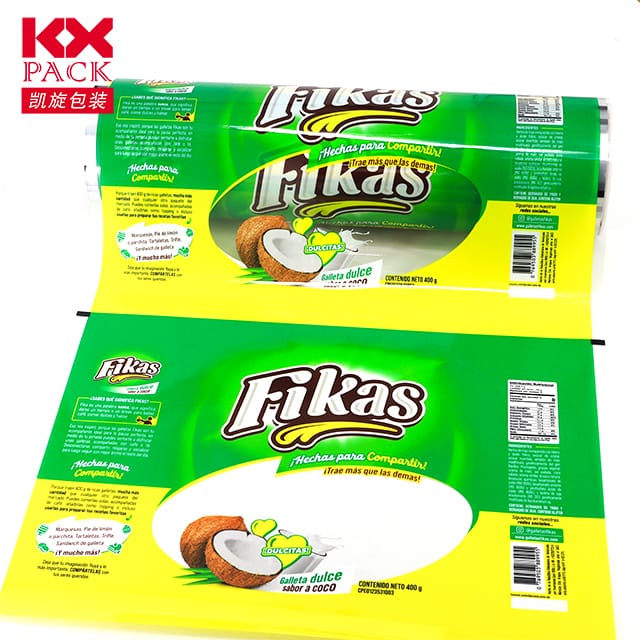
Plastic packaging films are lightweight, versatile materials made from polymers such as polyethylene (PE), polipropilēns (PP), polivinilhlorīds (PVC), or polyester (PET). They can be transparent or opaque, single-layered or multi-layered, and engineered with additives for specific properties like UV resistance, mitruma barjeras, or anti-static coatings.
Key characteristics include:
- Flexibility: Adapts to irregular shapes (Piem., wrapping fresh meat or confectionery).
- Barjeras īpašības: Prevents oxygen, ūdens tvaiki, or odors from compromising products.
- Rentabilitāte: Cheaper to produce and transport than rigid packaging.
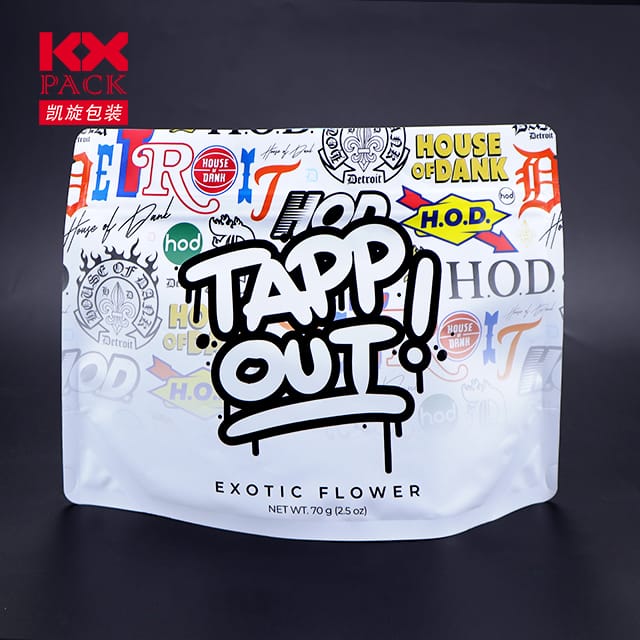
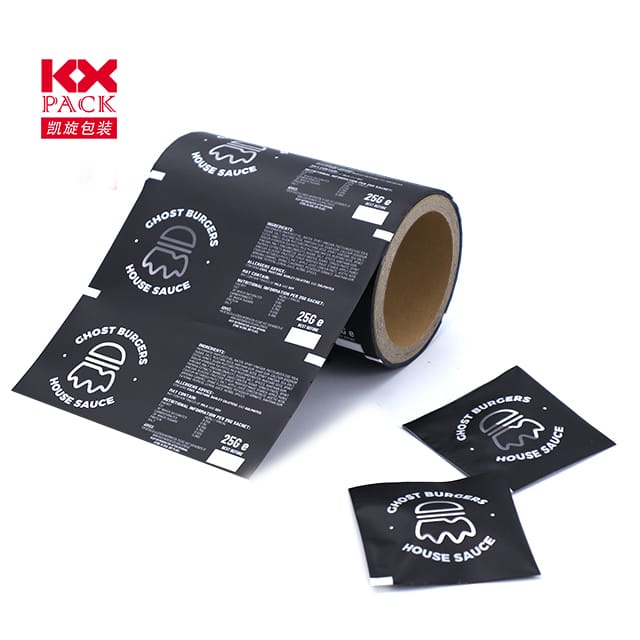
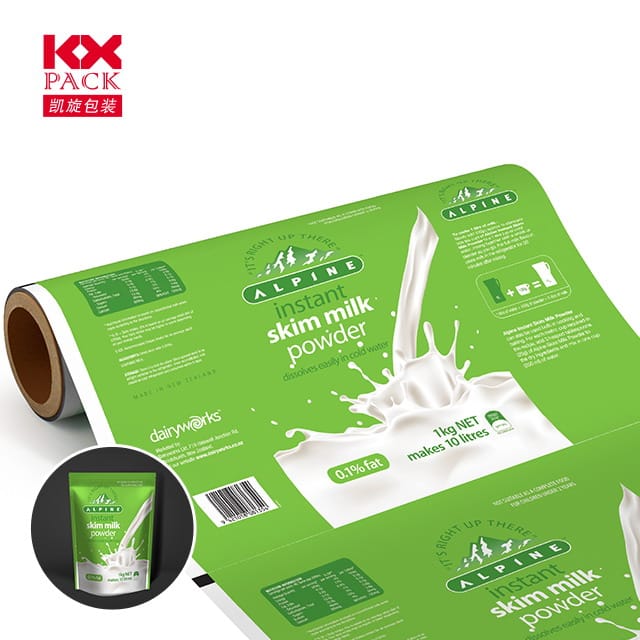
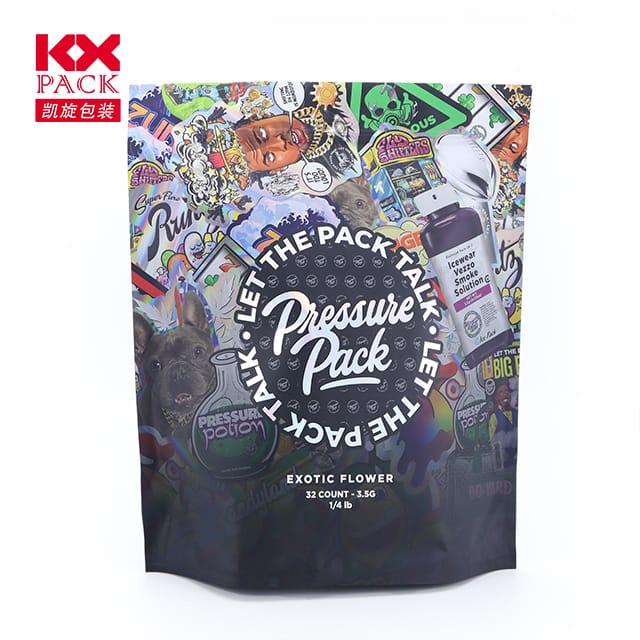
- Izdrukīgums: Supports branding with high-quality graphics.
Common Applications Across Industries
- Pārtika & Dzēriens
- Svaiga produkcija: Stretch films maintain freshness by reducing air exposure.
- Uzkodas: Laminated films with aluminum layers block light and oxygen to prevent rancidity.
- Ready-to-eat meals: High-barrier films protect against contamination and extend shelf life.
- Farmaceitiski
- Blistera iepakojumi: Thermoformed films ensure tamper-evidence and precise dosage control.
- Medical devices: Sterile packaging films meet stringent hygiene standards.
- Patēriņa preces
- Elektronika: Anti-static films shield delicate components from electrostatic discharge.
- Kosmētika: Multi-layered films combine moisture resistance with luxurious aesthetics.
- Rūpniecisks
- Pallet wrapping: Stretch films secure goods during transit, reducing damage risks.
- Būvniecība: Protective films shield surfaces like glass or metal from scratches.
Environmental Challenges and Solutions
While plastic films offer undeniable benefits, their single-use nature has raised alarms about pollution and landfill waste. The industry is responding with innovative solutions:
- Bioloģiski noārdāmās un kompostējamās filmas
- Izgatavots no augu bāzes polimēriem (Piem., polilaktīnskābe, or PLA), these films break down naturally under specific conditions.
- Piemērs: PLA films used for fresh salads decompose in industrial composting facilities.
- Recycled Content Films
- Pārstrādāts pēc patēriņa (PCR) materials reduce reliance on virgin plastics.
- Challenges include maintaining performance while incorporating recycled resins.
- Uzlabotas pārstrādes tehnoloģijas
- Chemical recycling breaks down plastics into their original monomers for reuse, enabling infinite recycling loops.
- Companies like Eastman and BASF are investing heavily in this space.
- Plānāks, Lighter Films
- Down-gauging reduces material use without sacrificing strength.
- Piemērs: High-performance polyethylene films that are 50% thinner yet stronger than traditional options.
The Future of Plastic Packaging Films
As regulations tighten (Piem., ES vienreizējās lietošanas plastmasas direktīva), nozare virzās uzaprites ekonomikas modeļi. Galvenās tendences ietver:
- Gudras filmas: Embedded sensors monitor food freshness or product integrity in real time.
- Ēdamas plēves: Made from natural ingredients like starch or proteins, these films eliminate waste entirely.
- Atkārtoti lietojamas sistēmas: Brands like Loop are trialing durable, refillable containers lined with recyclable films.
Consumer Tips: Making Sustainable Choices
- Look for certifications: Opt for films labeled “compostable” (Piem., OK Compost HOME) or “recyclable” (check local facilities).
- Reduce waste: Reuse packaging for storage or crafts before recycling.
- Support brands: Choose companies committed to sustainable packaging innovations.
Secinājums: Striking a Balance
Plastic packaging films are indispensable in modern supply chains, but their environmental impact demands urgent action. Aptverot bioloģiski noārdāmus materiālus, recycling innovations, and smarter designs, the industry can protect both products and the planet.
Kāds ir jūsu viedoklis par plastmasas iepakojuma plēvēm?? Share your thoughts or questions in the comments below—let’s drive the conversation toward a greener future! 🌍📦
Atslēgas vārdi: plastmasas iepakojuma plēves, ilgtspējīgs iepakojums, bioloģiski noārdāmās plēves, pārstrādāts saturs, pārtikas iepakojums, industrial films.