Plastmasas iepakojuma plēves loma un nākotne: Lietderības un ilgtspējības līdzsvarošana (2)
Plastmasas iepakojuma plēve
Ievads
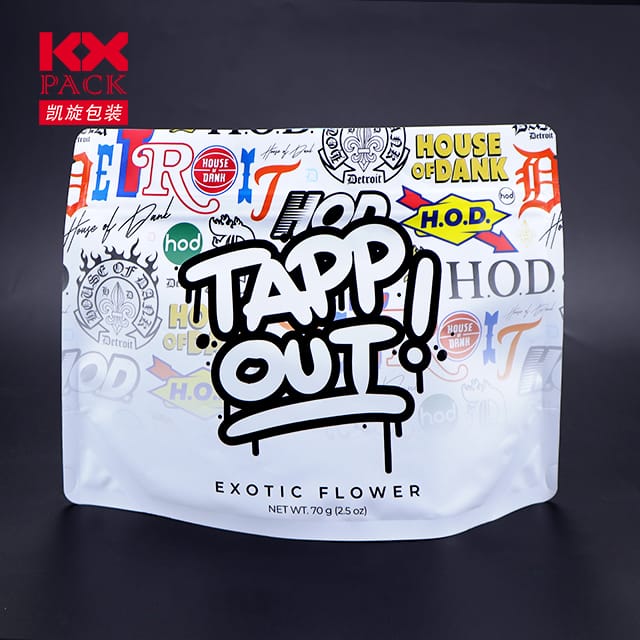
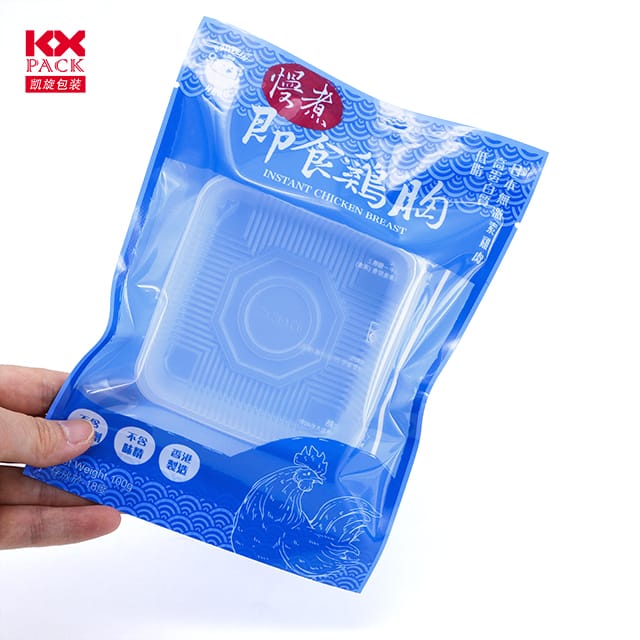
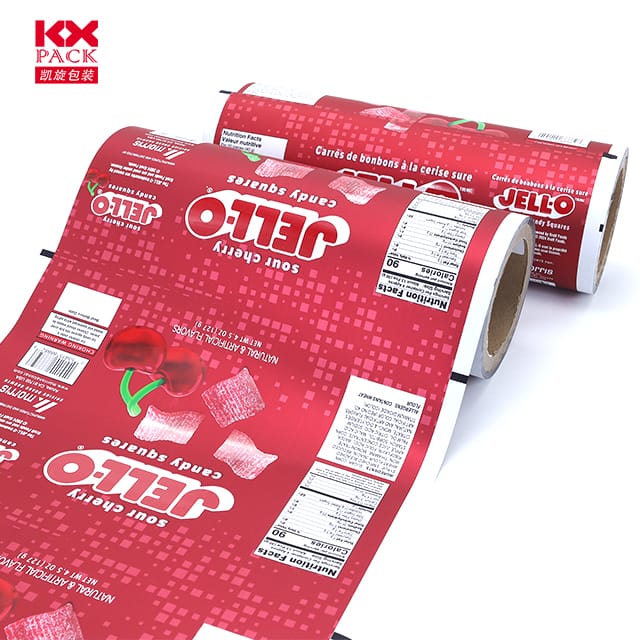
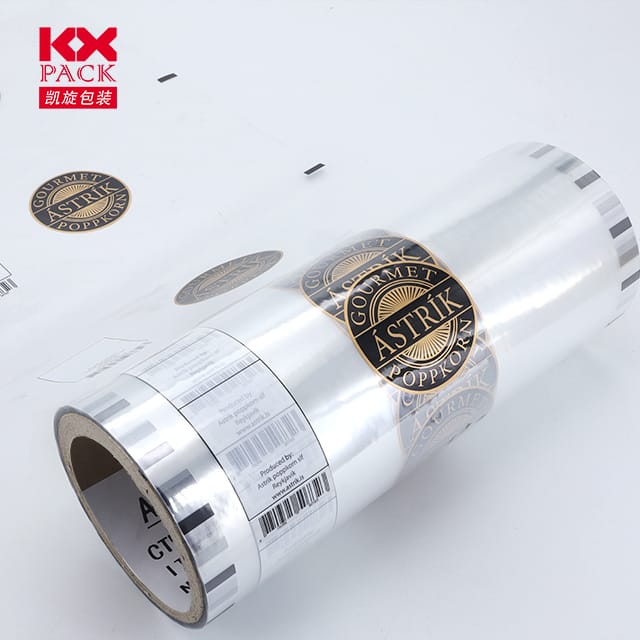
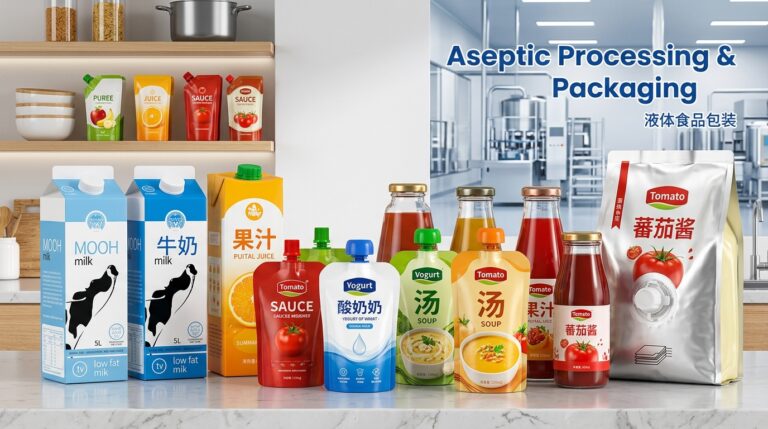
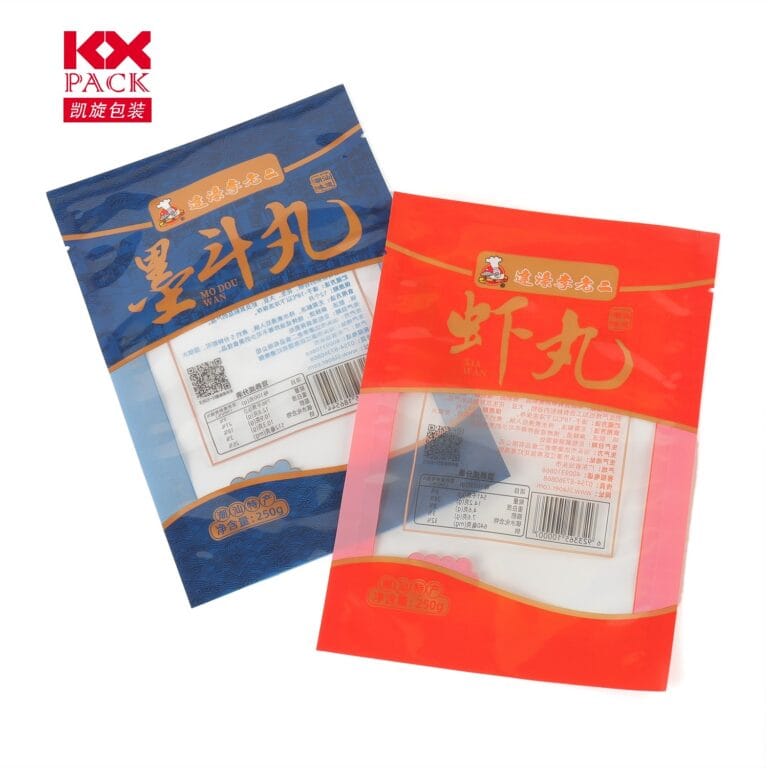
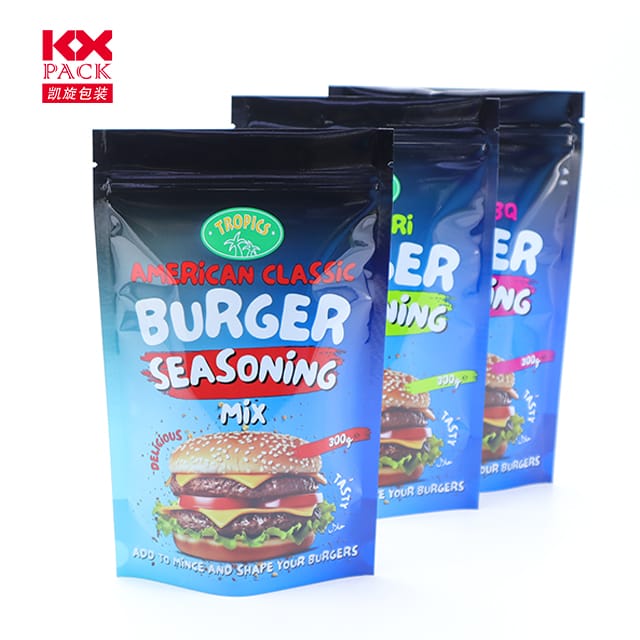
In a world where convenience and preservation are paramount, plastmasas iepakojuma plēve has become an ubiquitous presence. No svaigiem produktiem līdz elektronikai, šis daudzpusīgais materiāls aizsargā preces, pagarina glabāšanas laiku, un racionalizē piegādes ķēdes. Tomēr, tā ietekme uz vidi ir izraisījusi globālas diskusijas. Šajā rakstā ir apskatīta plastmasas iepakojuma plēves daudzpusīgā loma, tās lietojumprogrammas, izaicinājumi, and the path toward sustainability.
1. The Versatility of Plastic Packaging Film
Plastic films are engineered for diverse purposes, pateicoties viņu pielāgošanās spējai:
- Types of Films:
- PE (Polietilēns): Elastīgs, viegls svars, and ideal for food packaging.
- PP (Polipropilēns): Heat-resistant, used for microwave-safe containers.
- PVC (Polivinilhlorīds): Durable and shrink-wrap capable.
- PET (Poliesters): Strong and transparent, often used for beverages and electronics.
- Bioloģiski noārdāmās filmas: Izgatavots no PLA, Pha, or starch-based materials.
- Pieteikumi:
- Pārtikas konservēšana: Seals freshness, prevents contamination.
- Medical Supplies: Sterile packaging for surgical tools.
- E-komercija: Protective wraps for fragile items during shipping.
- Lauksaimniecība: Mulch films to enhance crop growth.
2. The Double-Edged Sword: Benefits vs. Rūpes par vidi
Pros:
- Rentabls: Affordable production and lightweight transportation.
- Aizsardzība pret šķēršļiem: Bloķē mitrumu, skābeklis, un UV gaismu.
- Daudzpusība: Pielāgojams dažādām formām, izmēriem, and products.
Mīnusi:
- Piesārņojums: Contributes to landfills and ocean plastic waste.
- Nav bioloģiski noārdāms: Traditional plastics take centuries to decompose.
- Mikroplastmasa: Break down into tiny particles, entering ecosystems and food chains.
3. Innovations in Sustainable Packaging
The industry is responding to environmental pressures with cutting-edge solutions:
- Biodegradable Alternatives:
- PLA (Polilaktīnskābe): Iegūta no kukurūzas cietes vai cukurniedrēm.
- Pha (Polihidroksialkanoāti): Naturally produced by microbes.
- Seaweed-Based Films: Edible and compostable.
- Aprites ekonomikas modeļi:
- Ķīmiskā pārstrāde: Breaking down plastics into raw materials.
- Recycling Technologies: Advanced sorting systems to improve recovery rates.
- Design Innovations:
- Monomateriālas filmas: Easier to recycle (Piem., 100% PE).
- Minimālistisks iepakojums: Reducing material use without compromising protection.
4. The Role of Stakeholders
Transitioning to sustainable practices requires collaboration:
- Zīmoli: Invest in eco-friendly materials and transparent labeling.
- Patērētāji: Choose reusable options and support brands prioritizing sustainability.
- Governments: Enforce extended producer responsibility (EPR) laws and ban single-use plastics.
- Innovators: Develop scalable, cost-effective alternatives to conventional plastics.
5. Skatoties uz priekšu: A Future Without Waste
The journey toward sustainable plastic packaging is underway, but challenges remain. Galvenās prioritātes ietver:
- Infrastructure Development: Expanding recycling facilities globally.
- Izglītība: Raising awareness about proper disposal and reduction.
- Policy Advocacy: Incentivizing green technologies and penalizing pollution.
Secinājums
Plastic packaging film is a cornerstone of modern logistics, but its environmental toll demands urgent action. Aptverot bioloģiski noārdāmus materiālus, circular systems, and collaborative innovation, we can protect both products and the planet. The future of packaging lies not in eradication, but in responsible evolution—where utility and sustainability coexist.
💡Galīgā doma: Every choice matters. The next time you unwrap a product, consider the story behind its packaging. Let’s strive for a world where plastic film is a tool for good, not a burden on Earth.