Elastīgo plēvju iepakojuma pieaugums: Inovācijas, Ilgtspējība, un nozares transformācija
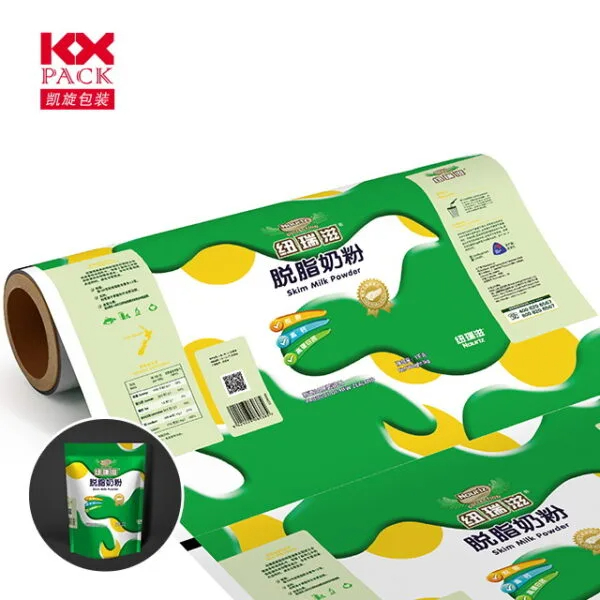
Elastīgās plēves iepakojums
Dinamiskajā iepakojuma pasaulē, flexible films packaging ir parādījies kā spēles mainītājs, pārveidojot nozares no pārtikas un farmācijas līdz personīgajai aprūpei un loģistikai. To nosaka vieglais svars, pielāgojams, un augstas veiktspējas materiāli, flexible packaging now accounts for a significant share of the global market—estimated at$270.96 miljardu iekšā 2023 and projected to grow at aCAGR no 4.8% cauri 2030. This surge is driven by its ability to meet evolving consumer demands, regulējošo spiedienu, un ilgtspējības mērķi. Let’s explore why flexible films are becoming the packaging solution of choice.
1. Galvenās īpašības: Why Flexible Films Stand Out
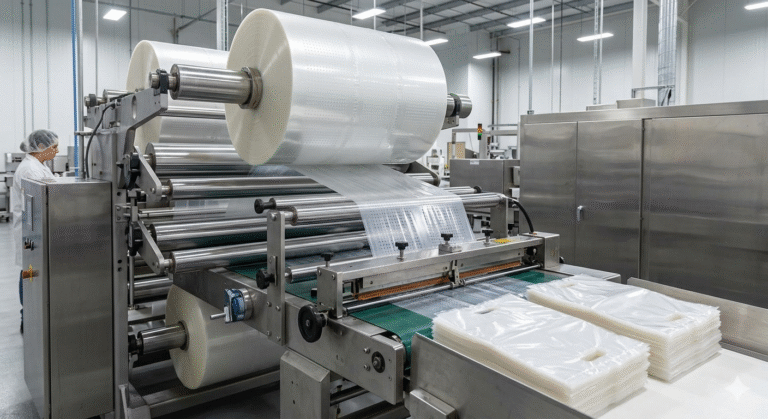
Elastīgās plēves iepakojums are engineered to balance functionality and efficiency. Their defining features include:
- Lightweight and Portable: Atšķirībā no cietā iepakojuma (Piem., glass or metal), flexible films reduce material use and transportation costs. A single truckload of flexible films can carry the equivalent of 10 truckloads of glass jars, slashing carbon emissions.
- Aizsardzība pret šķēršļiem: Advanced multilayer structures—combining polymers like polyethylene (PE), polipropilēns (BOPP), vai polivinilhlorīds (PVC) with aluminum foil—create impermeable barriers against oxygen, mitrums, un gaisma. This extends shelf life for perishables like meat and cheese by up to 50% compared to traditional packaging.
- Temperature Resistance: Flexible films withstand extreme conditions, from oven-safe pouches for ready-to-eat meals to freezer-grade films for frozen foods.
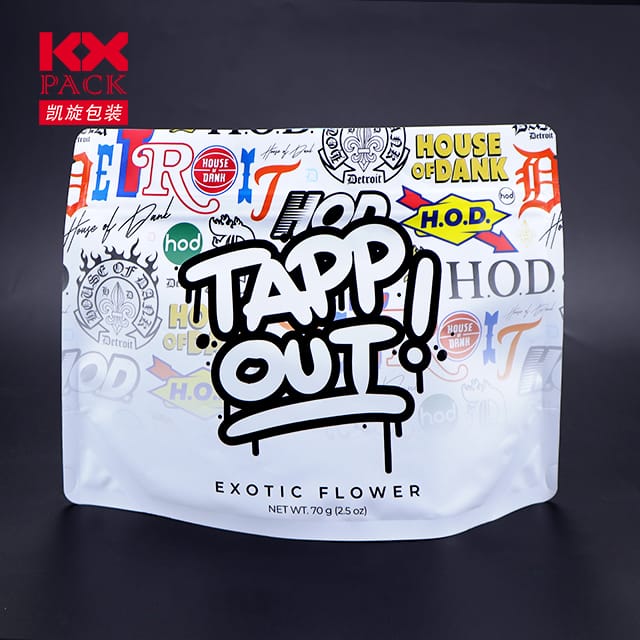
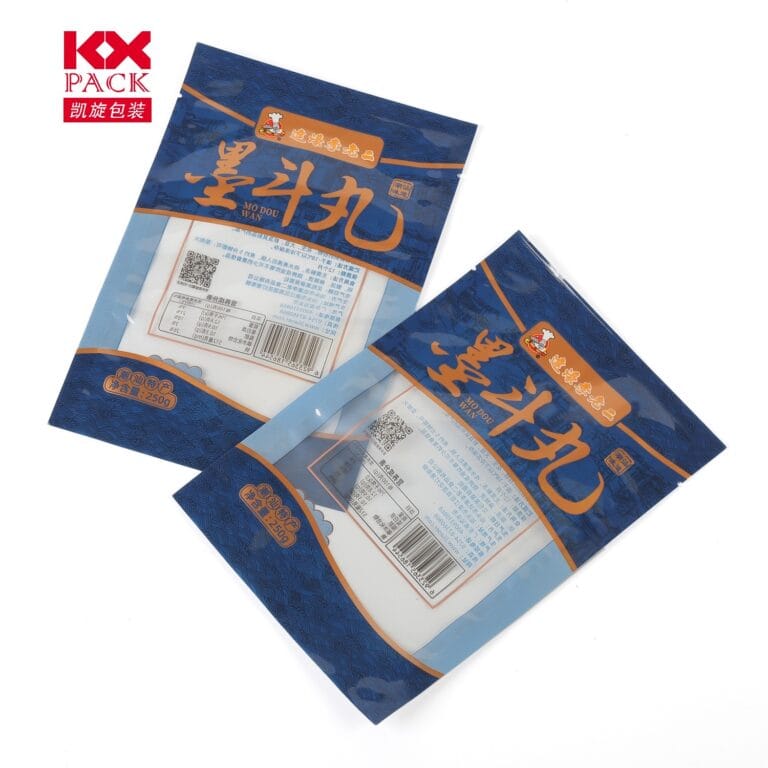
- Pielāgošana: Films can be tailored to product shapes, minimizing waste and maximizing product-to-package ratios. This precision is critical for single-serve snacks, mājdzīvnieku gardumi, and pharmaceutical blisters.
2. Nozares lietojumprogrammas: From Food to Pharmaceuticals
Elastīgās plēves iepakojums have disrupted multiple sectors by offering cost-effective, high-performance solutions:
- Pārtika & Dzēriens: The largest market segment, flexible films dominate snack packaging, fresh produce wraps, and microwaveable meals. Piemēram, stand-up pouches with resealable zippers reduce food waste by keeping contents fresher longer.
- Mājdzīvnieku barība: Innovations like lightweight treat packs and bulk sacks with odor-barrier layers cater to pet owners’ demands for convenience and freshness.
- Veselības aprūpe & Pharmacy: Sterils, tamper-evident blister packs and peelable pouches ensure drug safety and compliance with strict regulatory standards.
- Loģistika & E-komercija: Izturīgs, puncture-resistant films protect goods during shipping, while shrink-wrap films secure pallets for efficient transportation.
3. Ilgtspējība: The Driving Force Behind Adoption
As environmental concerns mount, flexible films are evolving to meet circular economy goals:
- Reduced Carbon Footprint: Manufacturing Elastīgās plēves iepakojums requires 60% less energy than rigid alternatives like glass. Their lightweight nature also cuts fuel consumption during shipping.
- Recyclable and Compostable Options: Innovations like mono-material PE films and plant-based compostable films (Piem., NATIVIA® by Taghleef Industries) gūst spēku. Some brands now use 100% pārstrādāts saturs in their films.
- Waste Reduction: Elastīgās plēves iepakojums generate 80% less landfill waste than rigid packaging due to their efficient material use.
Tomēr, izaicinājumi paliek. Daudzslāņu plēves, while high-performing, are often non-recyclable. Industry leaders are investing inķīmiskā pārstrāde unadvanced sorting technologies to address this gap.
4. Nākotnes tendences: What’s Next for Flexible Films?
The market is poised for transformative growth, vadīts:
- Gudrs iepakojums: Integration of IoT sensors to monitor freshness or QR codes for supply chain transparency.
- Advanced Adhesives and Substrates: New laminations improve barrier properties without adding thickness, enabling thinner, stronger films.
- Atbilstība normatīvajiem aktiem: Stricter eco-laws (Piem., ES vienreizējās lietošanas plastmasas direktīva) are pushing brands to adopt sustainable films.
- Consumer Convenience: Atkārtoti noslēdzams, easy-open, and single-dose designs cater to on-the-go lifestyles.
Secinājums: Flexible Films as the Future of Packaging
Flexible films packaging is no longer just an alternative—it’s a necessity for brands aiming to stay competitive in a fast-paced, eco-conscious market. By combining innovation, ilgtspējība, un daudzpusība, these materials are redefining how products are protected, prezentēts, and preserved. Tā kā tehnoloģija attīstās, expect flexible films to become even smarter, greener, and more integral to global supply chains.
Ready to embrace the future of packaging? Whether you’re a brand owner, manufacturer, vai patērētājs, the shift to flexible films is a win for efficiency, ilgtspējība, and the bottom line.
Avoti: Flexible Packaging Association, AMI Plastics, Taghleef Industries, Market Research Reports (2023–2030)