Plastikinės plėvelės evoliucija ir poveikis: Nuo inovacijų iki tvarumo (3) iššūkiai
Plastikinė plėvelė
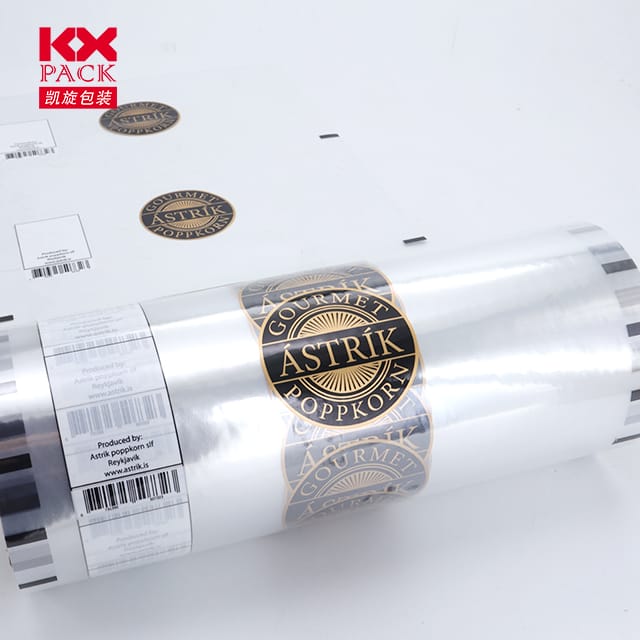
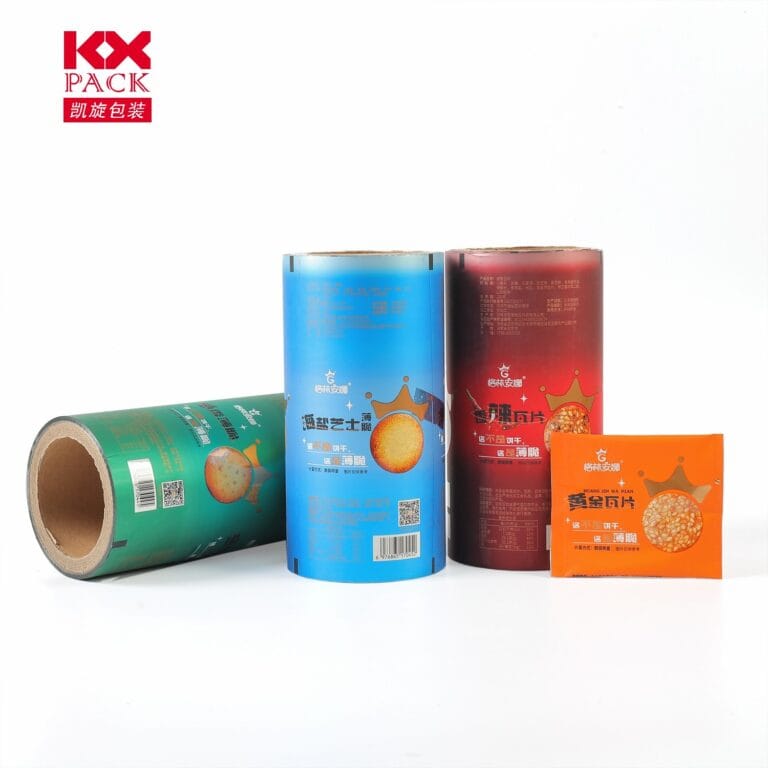
Plastic film, universali, tačiau dažnai nepakankamai įvertinta medžiaga, Šiuolaikinis gyvenimas persmelkia daugybę būdų. Nuo pakavimo maisto ir apsaugos augalų iki medicinos prietaisų gerinimo ir izoliuojančių pastatų, Dėl lengvo patvarumo ir ekonominio efektyvumo jis tapo būtinu. Tačiau, Kaip aplinkosaugos rūpesčiai yra kaltinami, Plastinių kino pramonė susiduria su kritiniu posūkio tašku: balancing innovation with sustainability.
A Multifaceted Marvel: Taikymas įvairiose pramonės šakose
Plastic film’s adaptability stems from its composition—typically polyethylene (PE), polipropileno (PP), arba polivinilchloridas (PVC)—which can be tailored for specific uses:
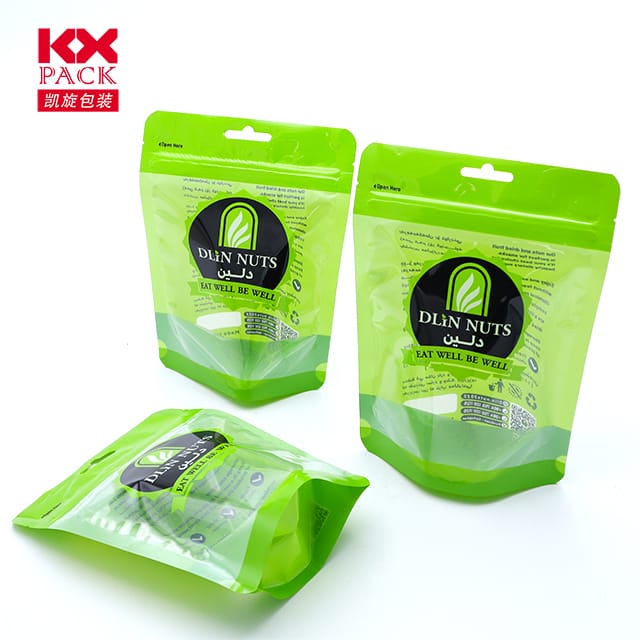
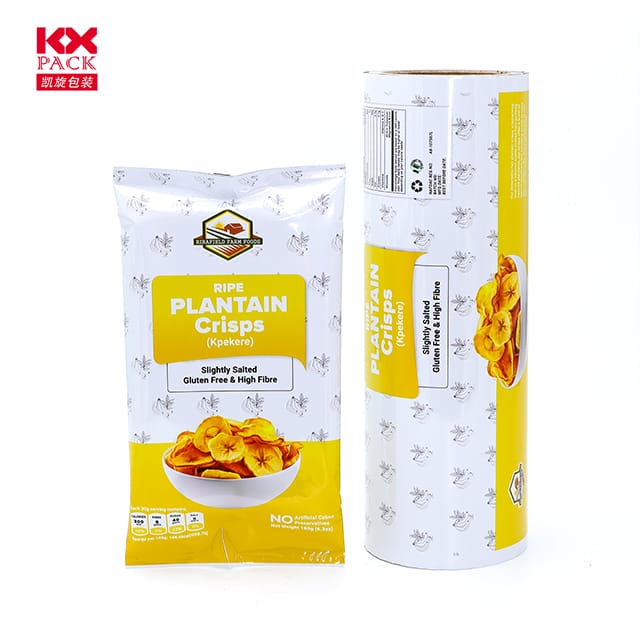
- Maisto pakavimas: Stretch films, cling wraps, and vacuum-sealed pouches extend shelf life and reduce waste.
- Žemės ūkis: Mulch films conserve water, suppress weeds, and boost crop yields by up to 30% in arid regions.
- Healthcare: Sterile wraps for surgical instruments and blister packs for pharmaceuticals ensure safety and hygiene.
- Statyba: Vapor barriers and shrink films protect buildings from moisture during construction.
The global plastic film market, vertinamas$160 milijardas į 2023, prognozuojamas augimas 4.5% annually, driven by emerging economies and e-commerce packaging demands.
Aplinkos galvosūkis: Dviašmenis kardas
Despite its utility, plastic film’s environmental footprint is undeniable:
- Waste Accumulation: Single-use plastic films, such as shopping bags and food wraps, account for20% of marine plastic pollution, entangling wildlife and microplastics infiltrating ecosystems.
- Perdirbimo kliūtys: Thin, multi-layered films are difficult to sort and process, with recycling rates hovering around5– 15 proc. in developed nations.
- Microplastic Threat: Fragmented films release tiny particles into soil and water, posing risks to human health through the food chain.
Reguliavimo spaudimas, such as the EU’sVienkartinių plastikų direktyva and China’s ban on non-degradable bags, are forcing industries to rethink plastic film’s role.
Pioneering Solutions for a Circular Future
Norėdami išspręsti šiuos iššūkius, manufacturers and innovators are exploring sustainable alternatives:
- Biologiškai skaidžios ir kompostuojamos plėvelės:
- Materials like PLA (Polilakto rūgštis), gaunamas iš kukurūzų krakmolo, and PBAT (polybutylene adipate terephthalate) offer eco-friendly options. Prekiniai ženklai kaipNatureWorks irBASF are scaling production.
- Atvejo analizė: A UK supermarket chain replaced conventional bags with compostable PLA films, reducing plastic waste by 40%.
- Pažangios perdirbimo technologijos:
- Chemical recycling breaks down mixed plastics into raw materials, enabling closed-loop systems.
- Mechanical recycling upgrades post-consumer films into pallet wraps or construction materials.
- Reusable and Thinner Alternatives:
- High-barrier, recyclable mono-material films (Pvz., PE-only packaging) simplify recycling.
- Naujovės kaipedible seaweed-based coatings for fresh produce could eliminate single-use wraps entirely.
Industry Collaboration and Policy Drivers
Governments and corporations are aligning to accelerate change:
- Išplėstinė gamintojo atsakomybė (EPR) schemes in the EU and U.S. mandate brands to fund recycling infrastructure.
- Įmonės įsipareigojimai: Unilever, Nestlé, and Walmart aim to use 100% recyclable or reusable packaging by 2025, driving demand for sustainable films.
- Agricultural Innovations: Biodegradable mulch films, tested in India and the U.S., decompose within 180 dienų, reducing soil contamination.
Kelias priekyje: Pažangos ir planetos pusiausvyra
The future of plastic film hinges on three pillars:
- Materialinė naujovė: Scaling bio-based and recyclable alternatives without compromising performance.
- Apvalus dizainas: Prioritizing reusability, perdirbamumas, and compostability in product development.
- Consumer Engagement: Educating the public on proper disposal and advocating for reuse systems.
As technologies mature and policies tighten, plastic film could transition from a symbol of environmental harm to a beacon of sustainable innovation. The challenge lies not in abandoning this versatile material, but in reimagining its lifecycle—from linear waste to circular resource.
Šaltiniai: Smithers Pira, Ellen MacArthur Foundation, Industry Reports 2024
Išvada: Plastic film, once a hallmark of convenience, now stands at a crossroads. Įtraukiant naujoves, bendradarbiavimą, ir aplinkos tvarkymas, the industry can safeguard both human needs and the planet’s future. The journey has begun—will we rise to the challenge?