Maisto pakuočių plėvelių ritinių raida ir naujovės: Giliai pasinerkite į šiuolaikinius maisto saugos sprendimus
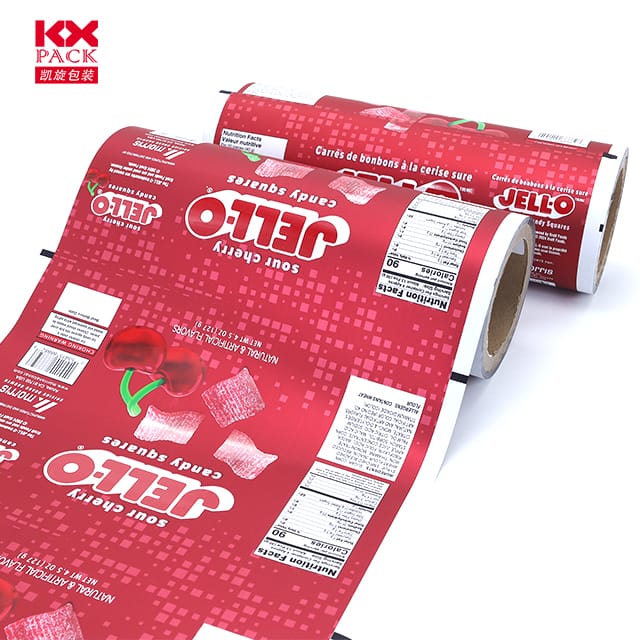
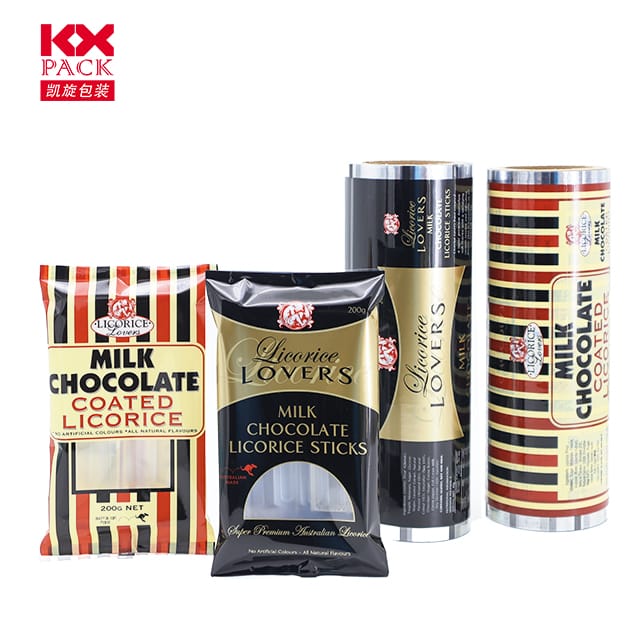
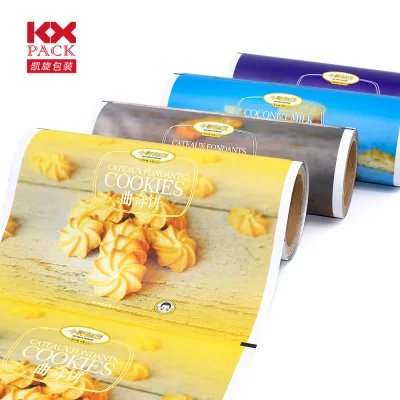
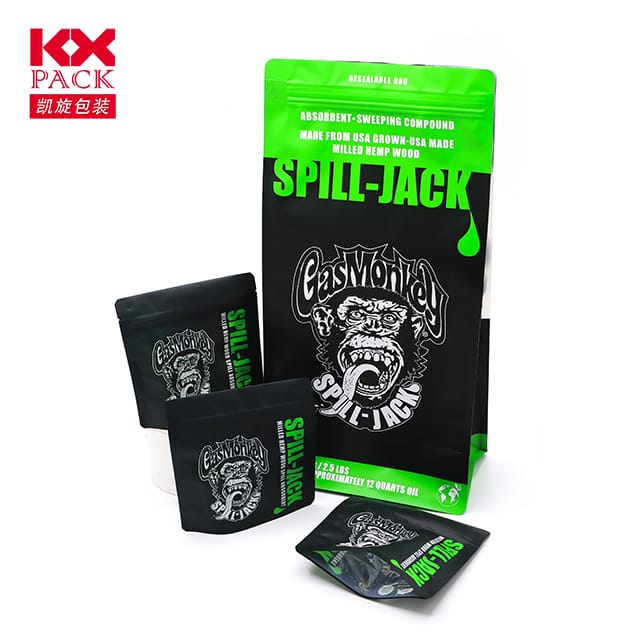
Maisto pakavimo plėvelės ritinėliai
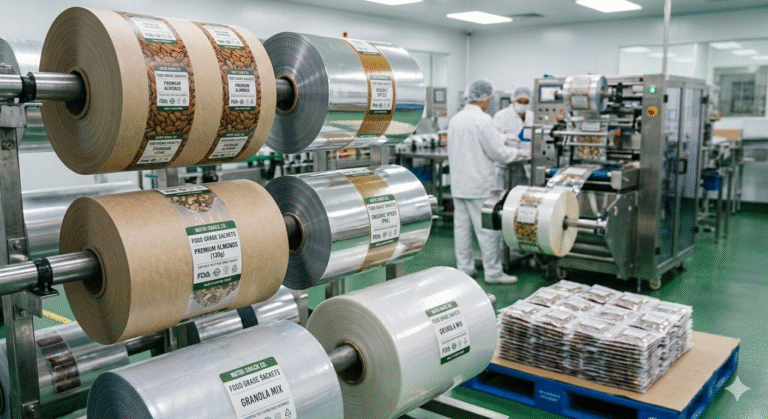
Šurmuliuojančiame maisto gamybos ir platinimo pasaulyje, maisto pakavimo plėvelės ritinėliai have emerged as unsung heroes, tyliai saugodami produktus nuo ūkio iki stalo. Šie lankstūs, aukštos kokybės medžiagos yra susijusios ne tik su estetika – jos yra labai svarbios norint išlaikyti maisto kokybę, pratęsdamas galiojimo laiką, ir vartotojų saugumo užtikrinimas. Išpakuosime mokslą, tendencijos, and future potential of this essential packaging component.
1. The Science Behind the Roll: Materials and Technology
Modernus Maisto pakavimo plėvelės ritinėliai are engineered marvels, often composed of multi-layered structures combining polymers like PET (Polietileno tereftalatas), PE (Polietilenas), PA (Nailonas), ir EVOH (Ethylene-Vinyl Alcohol Copolymer). Each layer serves a purpose:
- Barjeriniai sluoksniai (Evoh, PA): Block oxygen, drėgmės, ir aromatai, šviežumo išsaugojimas.
- Sandarinimo sluoksniai (PE, CPP): Ensure leak-proof closures and heat resistance.
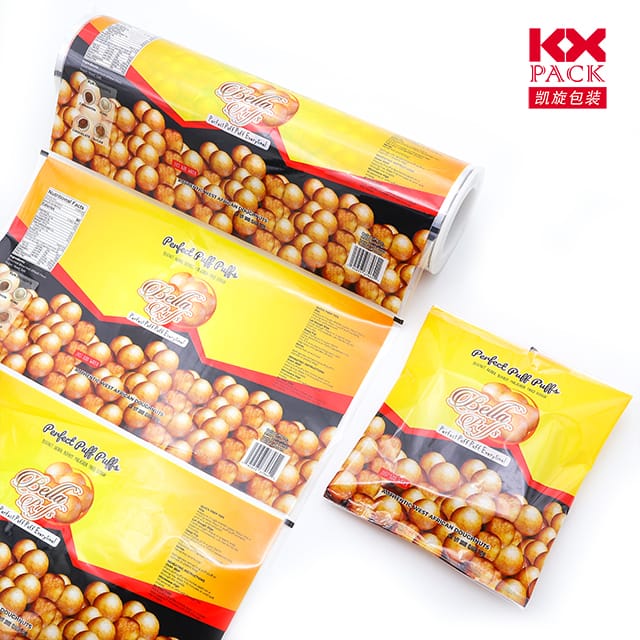
- Spausdinami sluoksniai (PET, BOPP): Enable vibrant graphics and branding.
Išplėstinė Maisto pakavimo plėvelės ritinėliai manufacturing techniques, toks kaip co-extrusion and lamination, allow these layers to bond seamlessly, creating films that are both durable and functional. Pavyzdžiui, a typical roll might feature a PET/AL/NY/LDPE structure, offering high barrier properties and puncture resistance—ideal for snacks, kavos, or frozen foods.
2. Tvarumas: From Waste to Renewable Solutions
The global push for sustainability has reshaped the food packaging industry. Tradicinės plastikinės plėvelės, o efektyvus, contribute to environmental pollution. Įveskitebiologiškai skaidžios ir kompostuojamos plėvelės, made from materials likePla (Polilakto rūgštis), krakmolo mišiniai, or cellulose. These films decompose naturally, reducing landfill burden.
Another innovation isPerdirbamos mono medžiagos struktūros, such as all-PE or all-PP films, which simplify recycling processes. Pavyzdžiui, acold-laminated PET/PE film roll can be recycled into new packaging, uždarant atliekų kilpą. Prekiniai ženklai kaipKanghui in China now offer eco-friendly options withgravure printing up to 10 spalvos, proving that sustainability doesn’t mean sacrificing visual appeal.
3. Išmanioji pakuotė: Kita siena
The future of food packaging film rolls lies insmart technologies that enhance safety and consumer experience. Imagine a film embedded withlaiko ir temperatūros indikatoriai (TTI), which change color if food is exposed to unsafe temperatures during transit. Or agas-scavenging film that absorbs ethylene (a ripening hormone) from fresh produce, extending shelf life by days.
Naujovės kaipmicro-perforated films allow controlled gas exchange, optimizing the atmosphere inside the package. Pavyzdžiui, aflexible micro-perforated bag can keep strawberries fresh for up to 14 days—a game-changer for perishable goods.
4. Global Market Trends and Challenges
The global food packaging film market is booming, projected to reach$51.9 milijardu 2030 (CAGR 6.4%). Pagrindiniai vairuotojai apima:
- Rising demand for convenience foods (Pvz., užkandžiai, ready meals).
- Griežtos maisto saugos taisyklės pushing for better barrier materials.
- E-commerce growth, necessitating durable, tamper-evident packaging.
Tačiau, challenges persist.Fluctuating raw material costs (linked to oil prices) irregulatory hurdles (Pvz., ES uždraudė vienkartinius plastikus) demand innovation. Companies are responding by investing inR&D for alternative materials irlightweighting to reduce plastic use without compromising performance.
5. Atvejo analizė: A Roll for Every Need
ImkZhejiang Kanghui’s flexible film rolls, which cater to diverse applications:
- Snack Packaging: High-barrier PET/PE films with anti-fog properties to keep chips crisp.
- Šaldyti maisto produktai: Heavy-duty PA/PE films resistant to cold temperatures and freezer burn.
- Farmacijos produktai: Sterilizable, medical-grade films for sensitive products.
JųOEM services allow brands to customize thickness, print designs, and even add functional additives likeantimikrobinės medžiagos (Pvz., silver-ion coatings) for extended freshness.
Išvada: The Roll That Keeps Rolling
Food packaging film rolls are more than just rolls of plastic—they are a testament to human ingenuity in balancing safety, tvarumas, ir patogumas. Technologijoms tobulėjant, these films will become smarter, Žaliau, and more versatile, adapting to the evolving needs of consumers and the planet.
Taigi, the next time you tear open a bag of chips or unwrap a frozen meal, take a moment to appreciate the roll of film that made it all possible. Po visko, great packaging is often invisible—until you need it.
What innovations would you like to see in food packaging film rolls? Pasidalykite savo mintimis žemiau! 🌱🍃📦